









SpaceX Wants to Borrow $40 Billion for Nvidia Chips — Investors Were Shown a Two-Page Plan With Pictures of Space
 ·
08.10.2026 18:17
·
3 min read
·
08.10.2026 18:17
·
3 min read

SpaceX is preparing roughly $40 billion in debt financing, which it plans to spend primarily on buying Nvidia AI accelerators and rapidly expanding its computing infrastructure. According to Financial Times and Reuters, the company is discussing one of the largest debt rounds of the current data center boom, but no final deal has been reached yet.
Financial Times reports that the financing structure calls for about $10 billion in bank loans and $30 billion in investment-grade bonds. Apollo Global Management is expected to play a leading role in arranging the offering, and Pimco is named among the potential participants in the talks. The deal is expected to close in 2027.
It wasn’t just the sum that drew attention. According to FT sources, in one of the earlier approaches to potential lenders tied to the multibillion-dollar chip purchase, SpaceX presented a memorandum just two pages long. It contained images of outer space and an arrow pointing to where the company’s computing centers might appear in the future.
One of the publication’s sources wondered how anyone could take such a document to an internal investment committee. But the unusual presentation did not stop SpaceX from continuing talks about significantly larger financing.
Nvidia Will Be the Foundation for Scaling AI Infrastructure
SpaceX’s plans to buy Nvidia equipment are not just a leak. In August, Nvidia officially announced that SpaceXAI will use Vera processors and the Vera Rubin platform as it expands its AI infrastructure.
Nvidia’s technology is set to be used both in ground-based data centers and in the space segment. The first satellite of the Starmind project is to receive an adapted system based on Vera Rubin NVL72.
It is precisely the enormous demand for hardware that explains the scale of the coming borrowing. SpaceX’s computing infrastructure is currently estimated at about 1.4 GW of installed capacity, and Elon Musk has said he intends to approach 10 GW of AI compute by the end of 2027.
For now that is the company’s goal, not a guaranteed outcome: reaching it will require not only a large number of accelerators but also the construction of data centers, power infrastructure and cooling systems.
Space Data Centers Are Already Part of the Official Strategy
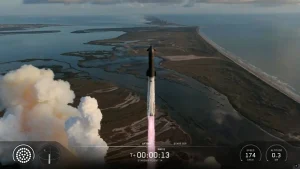
The joke about computing centers “somewhere in the Universe” looks less absurd against the backdrop of SpaceX’s current strategy. The company already openly describes the idea of orbital data centers and considers Starship a key tool for delivering computing equipment to space at scale.
However, the near-term spending, judging by the FT and Reuters reports, is tied primarily to a far more down-to-earth task — quickly buying a huge number of Nvidia chips and expanding current AI capacity.
The scale of the new borrowing is already making investors cautious. After reports of the planned $40 billion, the cost of insuring SpaceX debt against default rose to record levels, and yields on existing bonds increased. The market is thus beginning to demand a higher premium for the company’s rapidly growing spending.
So the new round will test not so much the space concept as the financial market’s willingness to lend SpaceX tens of billions of dollars for its plans to become one of the largest operators of AI infrastructure.