








Volkswagen to Cut 50,000 More Jobs, Halve Model Lineup, and Decide Fate of SEAT
 ·
04.09.2026 19:37
·
2 min read
·
04.09.2026 19:37
·
2 min read
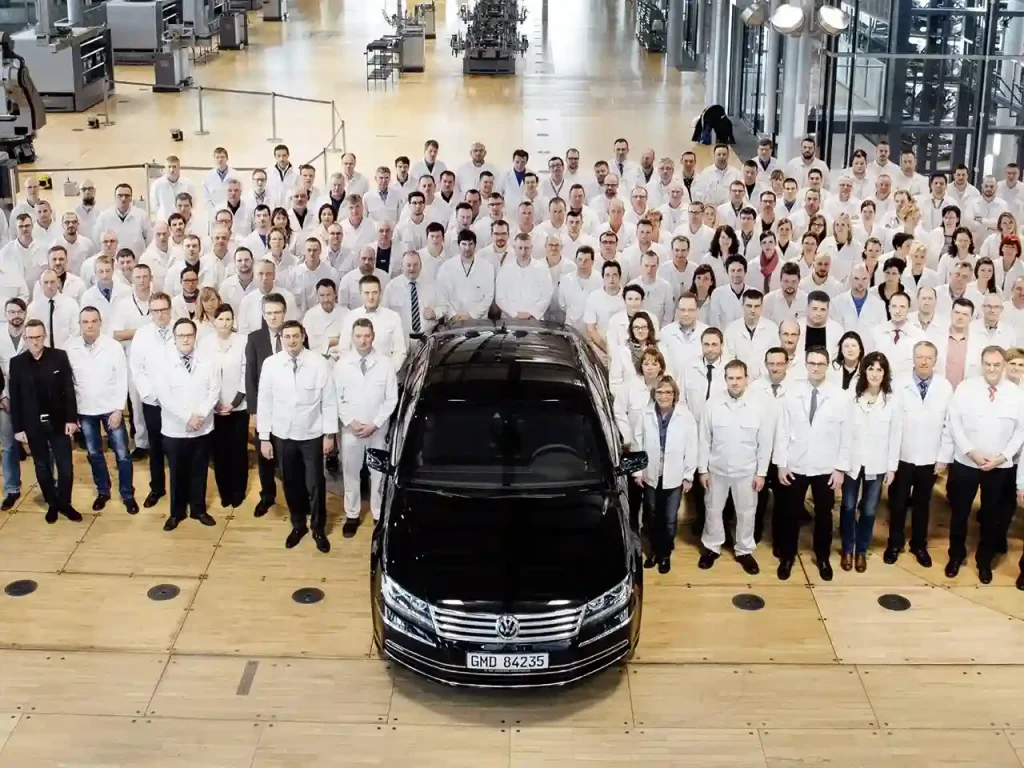
The Supervisory Board of Volkswagen Group has approved the Future Plan 2030 restructuring scheme, marking the most aggressive transformation program in the German automaker’s 89-year history. The strategy outlines cutting roughly 50,000 additional jobs globally, including administrative and management positions. Combined with previously announced measures, total headcount reduction could reach 100,000 employees—about one-sixth of the group’s 650,000 workforce.
Overcapacity, Chinese Competition, and Lineup Cuts
Company leadership attributes the drastic measures to falling demand and rapidly growing competition from Chinese automakers. According to internal Volkswagen estimates, the company’s European facilities have the capacity to build over 500,000 more vehicles per year than market demand requires.
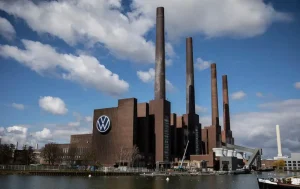
As reported by Reuters, the future of four production plants in Germany—in Emden, Zwickau, Hanover, and Neckarsulm—remains in question. No new models are scheduled for these facilities after 2031–2034, meaning the sites could be repurposed or handed over to contract manufacturers.
To raise operating margin to 9% by 2030 and return to annual sales of 9 million vehicles, Volkswagen is moving to drastically simplify manufacturing:
- The model lineup across all group brands will be reduced by about half by 2035.
- The number of platform variations, components, and available trim packages will be slashed by 75%.
- Approximately $157 billion between 2027 and 2031 will be redirected into developing new software, battery technologies, and standardized components.
What Is Really Happening to the SEAT Brand
Amid the restructuring news, German media outlets reported plans to shut down Spanish brand SEAT by the end of 2029, reallocating all resources to the more profitable Cupra brand.
In an official statement on the SEAT Cupra portal, the company denied an immediate shutdown. Existing model lifecycles will be completed, with mild-hybrid versions of the Ibiza and Arona launching in 2027, while legal entity SEAT S.A. continues operations. Still, company management publicly confirmed for the first time that a gradual phase-out of the brand is indeed on the table—though such a move would only occur after 2030 if investments in the budget segment no longer prove profitable.