









CS:GO Turns 14: How a $15 Shooter Went From a Flop to the Biggest Game in Steam History
 ·
21.08.2026 10:48
·
5 min read
·
21.08.2026 10:48
·
5 min read
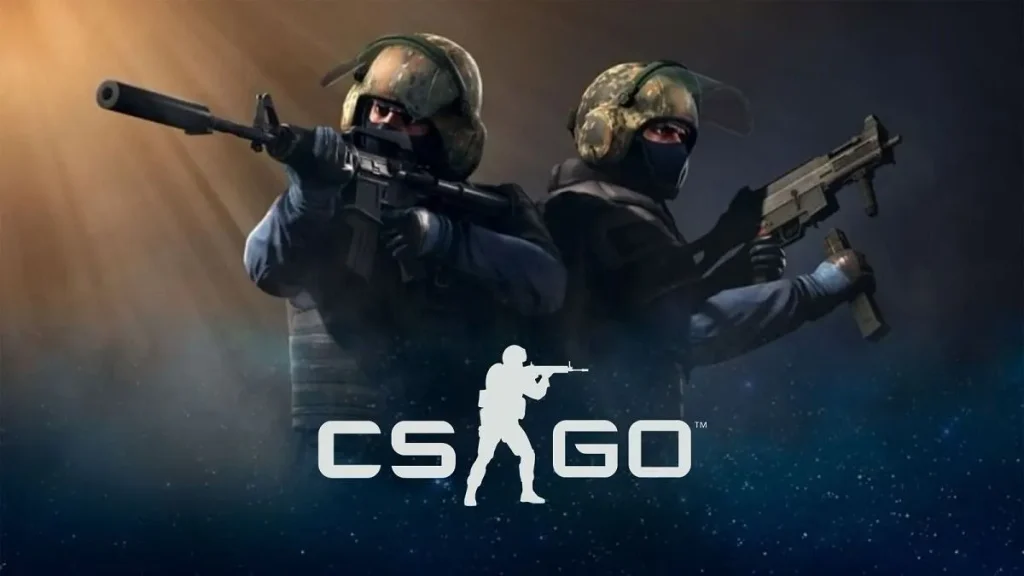
Exactly 14 years ago, on August 21, 2012, Counter-Strike: Global Offensive premiered. At the time, Valve sold the new installment of the iconic series for just $14.99, promising 45 weapons, updated maps, matchmaking, and over 165 achievements.
It is unlikely that the developers or the players themselves could have predicted back then that this budget project would last for over 11 years, lay the foundation for a multi-billion dollar skin economy, host 19 legendary Majors, reach 1.82 million concurrent players, and ultimately serve as the bedrock for Counter-Strike 2.
Born of Necessity: How CS:GO Evolved From a Console Port
The story of Global Offensive did not begin with an ambitious desire to revolutionize the genre. The studio Hidden Path Entertainment was initially tasked with a modest goal: porting Counter-Strike: Source to the Xbox 360.
However, as work progressed, Valve saw much greater potential in the project. By the early 2010s, the fan community was deeply divided: hardcore veterans stuck with the old CS 1.6, while fans of modern graphics moved to CS:Source. Neither game could serve as a unified esports discipline for the new generation.
Valve decided to take direct control of development and turn the console port into a full-fledged new version of Counter-Strike capable of uniting both audiences. The project was officially announced in August 2011, and a year later, it launched without early access, battle passes, or expensive deluxe editions—all for $14.99.
Initially, the game received a lukewarm reception: fans criticized the movement physics, the unfamiliar shooting mechanics, and strange input lag. But the developers did not abandon the project, doubling down on regular updates and community feedback.
The Economy That Changed Everything: The Arms Deal Update and Skins
The major turning point for CS:GO occurred on August 14, 2013, when Valve released the Arms Deal update. The game added over 100 weapon finishes, the first cases, keys, and the ability to trade items and sell them on the Steam Community Market. This update also saw the debut of the legendary M4A1-S and USP-S.
This move forever changed not only Counter-Strike but the entire multiplayer gaming industry:
- The Birth of a Digital Asset Market: Virtual weapon finishes were no longer just pixels; they became real financial assets. Years later, rare knives, gloves, and souvenir skins like the M4A4 “Howl” or the AK-47 “Case Hardened” began selling for tens and hundreds of thousands of dollars.
- Esports Funding: Valve directed a portion of the proceeds from special eSports cases directly into the prize pools of the first tournaments. This provided a massive boost to the professional scene.
The Major Era: From Swedish LAN Cafes to Stadiums
Just 15 months after release, DreamHack Winter 2013 took place—the first official CS:GO Major supported by Valve. The prize pool was an impressive $250,000 for the time. In the grand final, the Swedish team fnatic defeated their countrymen Ninjas in Pyjamas to take home the $100,000 top prize.
By the end of the Global Offensive era, Valve had hosted 19 Majors. The final chapter was the BLAST.tv Paris Major 2023. Over 11 years, these tournaments gave the world the legendary dynasties of fnatic and Astralis, unforgettable victories by NAVI, Virtus.pro, Gambit, Cloud9, FaZe, and Vitality, while the events themselves grew from intimate festivals into massive shows held in packed football stadiums.
The Free-to-Play Transition and a Historic Peak in Retirement
In December 2018, Valve made another bold move, switching CS:GO to a free-to-play model and adding its own take on the battle royale genre called Danger Zone. All existing owners of the game received Prime status and commemorative badges. This decision opened the doors to millions of new players worldwide.
The end of the game’s lifecycle was particularly surprising. The older CS:GO got, the more people played it. The prolonged pandemic, the growth of the media scene, and the announcement of the next installment pushed the hype to its limit.
On May 6, 2023—months before it was shut down—CS:GO hit an all-time concurrent player record: 1,818,773 players. The shooter didn’t retire because interest faded; it retired while at the peak of its popularity.
A Legacy That Lives On in CS2
On September 27, 2023, CS:GO effectively ceased to exist in its original form. Valve didn’t sell a separate sequel; instead, it released Counter-Strike 2 as a free upgrade within the same Steam app (App ID 730). The Source engine gave way to Source 2, but all player inventories, skins, and stats were carefully migrated.
This created a unique quirk in the Steam store: if you open the Counter-Strike 2 page today, it still displays the original release date of August 21, 2012.
Over 11 years of active life, CS:GO survived the transition between console generations, the hero-shooter boom, the dominance of battle royales, and hundreds of competitors. Yet, its fundamental mechanics—round economy balance, perfect map timings, purchasing, and reaction—proved so refined that CS2 kept them almost unchanged. CS:GO didn’t just become the biggest game in Steam history; it turned Counter-Strike into an evergreen service that, even 14 years after its launch, continues to top the global gaming industry charts.