








Consoles, Laptops, and Servers Could Get Pricier: US Prepares New Tariffs on Imported Electronics and Chips
 ·
29.08.2026 15:31
·
2 min read
·
29.08.2026 15:31
·
2 min read
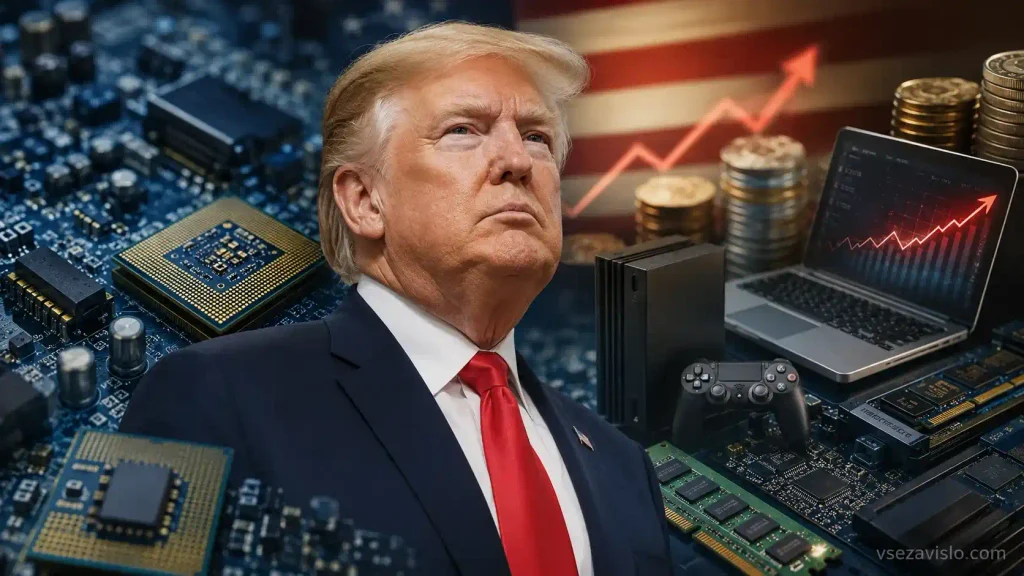
The US government is considering a sweeping package of tariffs on foreign-made semiconductors that could hit the market for finished consumer and enterprise hardware. Unlike current restrictions, the new levy would apply not only to silicon wafers but also to assembled devices — including gaming consoles, laptops, and data center servers.
Finished Consumer Electronics in the Crosshairs
As Reuters reports, citing sources in Washington, the key difference in the new initiative is that tariffs would extend to derivative products containing foreign chips.
Potentially affected categories include:
- gaming consoles (including PlayStation, Xbox, and Nintendo ecosystems);
- laptops and pre-built desktop PCs;
- server racks and infrastructure equipment for data centers;
- discrete semiconductor components.
Specific device models have not been finalized in the draft, and White House officials have called the preliminary leaks a matter of interagency discussions. However, the mere inclusion of consumer electronics in the draft documents creates a direct risk of price increases: vendors typically pass additional customs costs on to end customers.
Exemptions in Exchange for Factories: The Commerce Department’s Plan
US Commerce Secretary Howard Lutnick proposes tying tariff exemptions to real investments in the American semiconductor industry.
According to industry sources, a mechanism for duty-free quotas is being developed: electronics makers could import a certain volume of chips without tariffs if they simultaneously fund the construction and expansion of factories on US soil. In this way, Washington hopes to encourage chipmakers like TSMC and Samsung to more actively move advanced lithography lines into American jurisdiction.
Second Phase of Section 232 Reform
The current discussions continue a presidential executive order signed in January under Section 232.
According to official White House documents, the first phase of the program imposed 25% tariffs on a narrow group of server accelerators (such as the NVIDIA H200 and AMD MI325X), while maintaining broad exemptions for consumer electronics, startups, and civilian data centers.
According to an analysis by Tom’s Hardware, the second phase could completely eliminate the January exemptions, triggering a chain of price increases for both PC builds and AI cluster deployments.
The final parameters of the trade restrictions, the exact list of exemptions, and the effective date will be known after interagency consultations conclude.