








GPT-6 Astra-Generated The Long Dark Clone Goes Viral: Why It’s Too Early to Write Off Game Dev
 ·
04.09.2026 18:21
·
3 min read
·
04.09.2026 18:21
·
3 min read
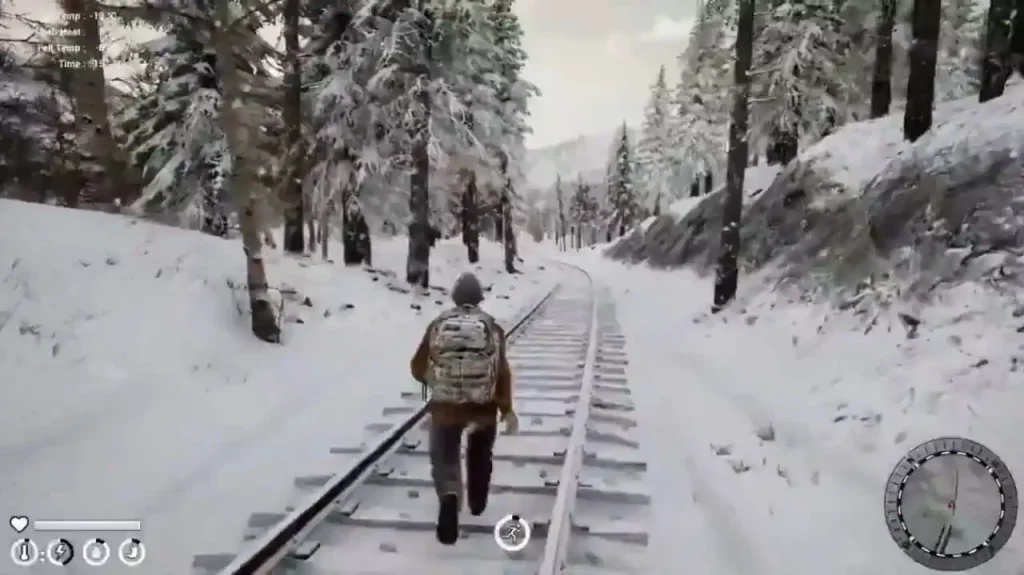
A video demonstrating the capabilities of OpenAI’s new flagship model, GPT-6 Astra, has gone viral on social media. A user under the handle YalnizAvareEndi showcased a playable prototype of a 3D survival simulator set in snow-covered Turkey, clearly inspired by the popular game The Long Dark. According to the creator, the AI generated a working first-person build from just a single short text prompt.
A viral scene and invisible iterations
The prompt in the demo sounded half-joking: the model was asked to create “a Long Dark clone set in Turkey in a style that a fan of Nutella and Fruko soda would like.” In the published video, the character wanders through a snowy landscape among abandoned houses, while the blocky interface, status meters, and cold color palette genuinely evoke the harsh Canadian landscapes from Hinterland Studio.
However, claims that the game was created with “a single prompt” should be taken with caution. The author has not released the source code, conversation history, or technical generation logs. It is currently impossible to independently confirm whether the model succeeded without manual code edits, compilation error fixes, or multi-step follow-up instructions. In practice, impressive demos like this often require substantial manual fine-tuning behind the scenes.
GPT-6 Astra oyun sektörünü değiştirecek gibi duruyor.
— Yalnız Avare Endi (@YalnizAvareEndi) September 4, 2026
Long Dark'ı tek bir prompt ile yeniden oluşturdum.
Prompt: Nutella ve Fruko seven bir adamın seveceği tarzda, Türkiye'de geçen bir Long Dark klonu oluştur.
Oyun stüdyoları için yolun sonuna geldik. pic.twitter.com/CdODEZNolI
What Astra can actually do in 3D
That said, the new model’s ability to quickly generate interactive prototypes is very real. OpenAI itself positioned the algorithm in its GPT-6 Astra presentation as a powerful tool for coding and environmental design. In internal tests, the AI independently created interactive racing mini-games, modeled buildings in Blender, and exported them into Unreal Engine 5 as walkable scenes.
In the Terminal-Bench 4.0 benchmark, the model scored 57.9%, compared to 37.3% for the previous GPT-5.6 Sol. Astra’s main value for the industry lies in dramatically simplifying early prototyping: setting up a camera, basic movement, simple physics, and blocking out geometry can now actually be done in a couple of minutes instead of spending days tinkering with a game engine.
Why a prototype is no substitute for game development
There is a massive gap between a tech demo featuring walking through snowdrifts and a full-fledged game. The success of the original The Long Dark relies far less on snow textures than on years of manual polish: complex thermodynamics, predator AI, calorie management, well-crafted audio, and narrative depth.
While generative models deliver only the outer shell of gameplay, the original creators at Hinterland are preparing the series’ next installment—BLACKFROST: The Long Dark 2, coming to Early Access in 2027. AI models are rapidly transforming draft work and brainstorming, but technology remains far from crafting deep, polished game mechanics without human game designers.