









CNN: Faulty AI Analysis Nearly Triggered a US Military Operation Against a Chinese Ship
 ·
19.09.2026 16:27
·
3 min read
·
19.09.2026 16:27
·
3 min read
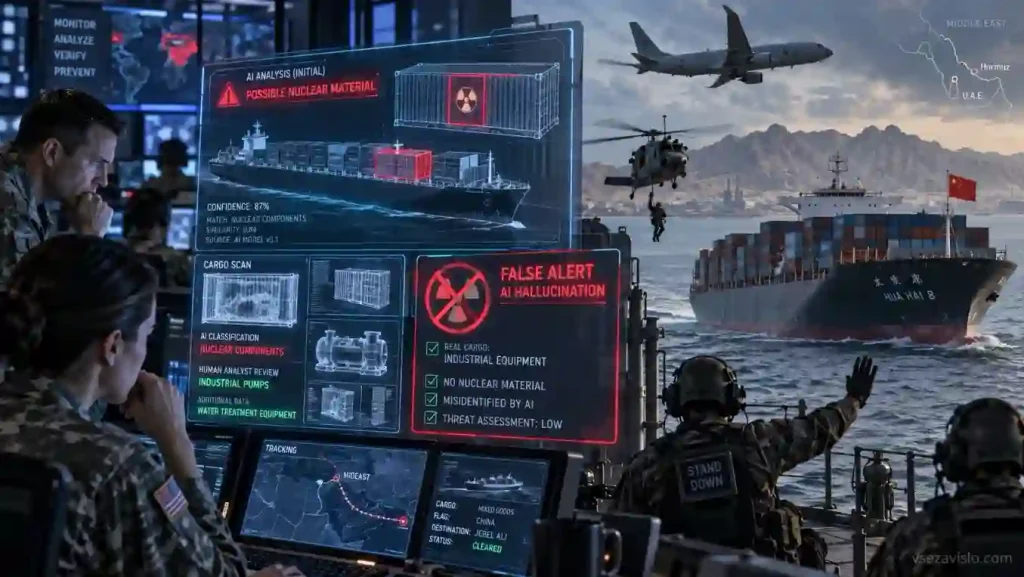
In the spring of 2026, the US military began preparing to intercept a Chinese ship after an intelligence report that was produced with the help of AI. As CNN reported, the system mistakenly identified the cargo as components linked to a nuclear weapons program. The operation was called off only after military aircraft had already taken off.
According to CNN, citing sources, the report was prepared by an analyst in one of the units of US Special Operations Command. He uploaded a combination of open-source data about the ship and classified signals intelligence into a chatbot. Journalists were unable to determine which service was used — a commercial model or an internal US government system.
The AI misinterpreted the cargo data, and the result was then turned into an intelligence document and circulated through military channels. The information was taken seriously enough to begin preparations for intercepting the ship in the Middle East.
The error was caught at the last moment
When the military operation was already in the preparation stage, analysts reviewed the source material again and found that the conclusion about a nuclear cargo had been wrong. According to CNN, by that point US aircraft were already in the air, and armed service members were preparing for a possible boarding of the ship.
After the second review, the operation was canceled. What the ship was actually carrying has not been publicly disclosed.
One CNN source described the original report as “completely false” and said the situation could have led to a serious international crisis. That is the assessment of the outlet’s source, not an official conclusion from the US Defense Department.
The details of the episode were also recounted by TechCrunch and Ars Technica. Both publications highlight the main problem with what happened: the generative model’s error looked convincing enough to make it further down the decision-making chain.
The incident comes amid active AI adoption at the Pentagon
At the same time, the US armed forces are expanding their use of generative AI for analyzing information, preparing documents and other tasks. Yet the official US Department of Defense principles for the responsible use of AI require that systems remain controllable, auditable and used with appropriate human oversight.
The case of the Chinese ship shows why such oversight is especially important in intelligence. A generative model can do more than make a mistake — it can phrase a wrong conclusion in a form that looks like a full-fledged analytical product. Here, an additional human check stopped the process before the operation began, but it happened only after the military had brought its forces to readiness.