








NVIDIA CEO Sees No Problem With AI Weaning Students Off Mental Math
 ·
26.09.2026 15:34
·
3 min read
·
26.09.2026 15:34
·
3 min read
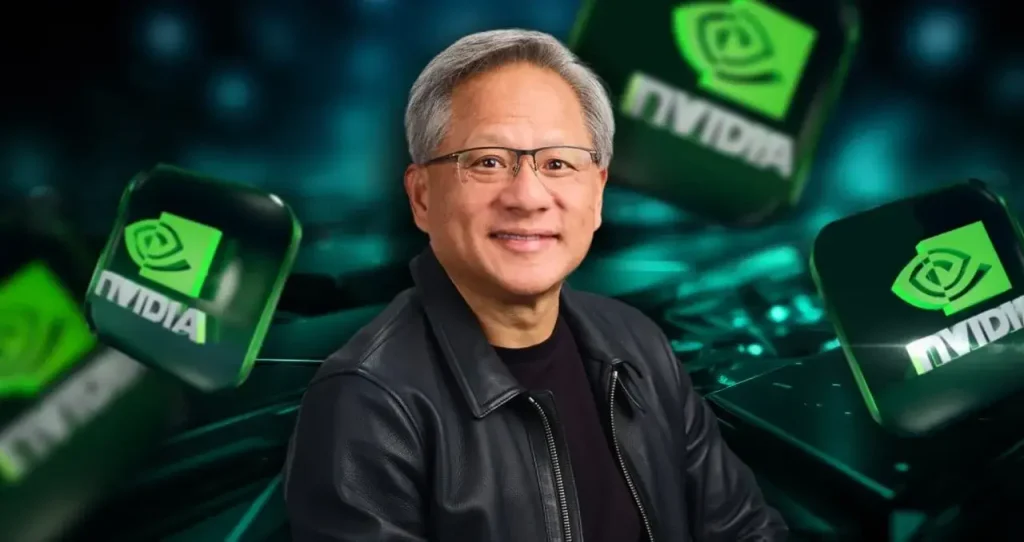
Jensen Huang believes humanity shouldn’t fear losing basic math skills to the widespread adoption of artificial intelligence. Speaking on The Ezra Klein Show podcast, the NVIDIA chief said that forgotten multiplication tables or long-division algorithms are an acceptable price to pay for freeing up the brain for more complex systems thinking. The discussion was prompted by a large-scale study that showed a sharp drop in exam scores among teenagers who had started delegating their homework to AI models.
AI Cheat Sheets and Falling Grades
Fresh statistics back up concerns about skill degradation. In a large-scale study published as a preprint on the SSRN platform, researchers tracked the academic performance of more than 26,000 Chinese students in grades 7–12 over 30 months. The researchers measured results before and after the students gained access to generative models.
The short-term effect of using chatbots looked positive: kids spent 30% less time on homework, and their homework grades rose by 18%. But on independent exams, where they had no access to AI, the picture changed dramatically. Six months later, scores on closed-book tests had fallen by 20%, and two years on, results on the most important entrance exams came in 18–24% below expectations.
The students hit hardest were those who used AI as a smart cheat sheet — simply copying ready-made answers to save time. At the same time, the authors make an important caveat: students who turned to algorithms to work through difficult topics but spent as much time studying as before showed almost no loss of knowledge.
Freeing the Mind Instead of a ‘Low-IQ Era’
After the podcast aired, people online began sharing Huang’s quotes under headlines about the dawn of a “low-IQ era,” though the NVIDIA chief said nothing of the sort in the interview itself. Asked directly by the host whether he was worried about children being unable to extract square roots or do mental math, Huang said he was not.
In his view, automation does reduce “fine intellectual dexterity” on basic tasks, but it gives something bigger in return. Once freed from having to memorize formulas and perform routine calculations, a person can focus on abstract concepts.
As an example, Huang cited his own memory: he no longer remembers his zip code, home address or the phone numbers of people close to him, because gadgets store that information reliably. Technology has always pushed out outdated skills, and according to the NVIDIA chief, with the arrival of generative networks humanity will simply master a new set of competencies, leaving mechanical routine to machines.