









Unitree IPO sparks investor frenzy as Chinese humanoid robot maker is valued around $9B
 ·
11.08.2026 23:09
·
2 min read
·
11.08.2026 23:09
·
2 min read
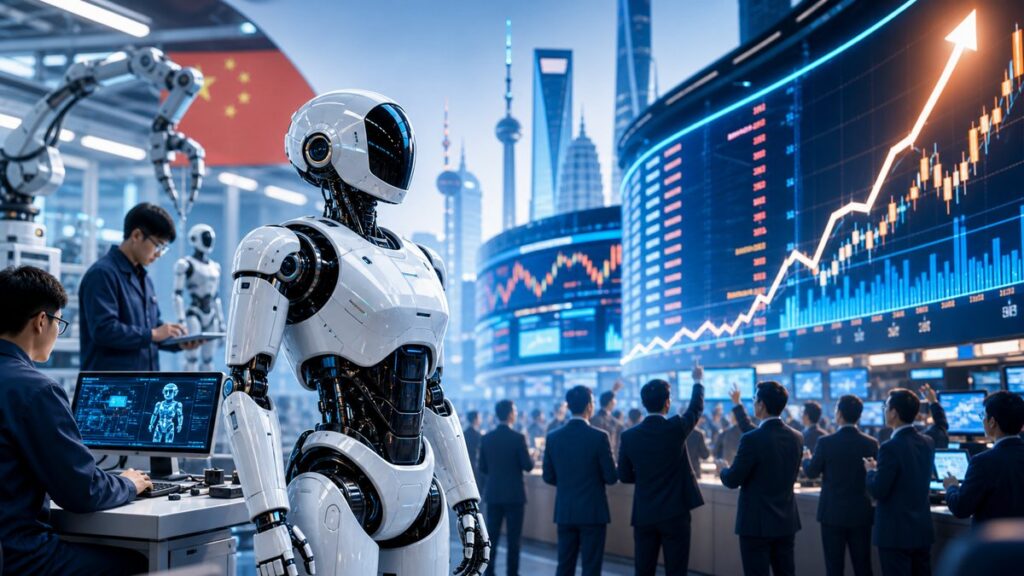
Chinese company Unitree Robotics, known for its robot dogs and humanoid robots, has become the center of a market frenzy. According to MarketWatch and the Financial Times, Unitree’s Shanghai STAR Market IPO is expected to raise about $900 million, valuing the company at roughly $9 billion.
Investor demand has been huge, with retail orders reportedly many times larger than the available allocation. For China’s tech market, this is an important signal: investors are increasingly betting on companies that can turn humanoid robots from eye-catching demos into scalable products.
Why Unitree is attracting attention
Unitree first became widely known for its Go and B-series quadruped robots, then gained more attention with the H1 and G1 humanoid models. On its official product page, Unitree lists the G1 from $13,500, positioning it as a relatively accessible platform for developers, labs and companies testing practical humanoid robot use cases.
That puts Unitree at the center of several trends at once: AI models for robot control, growing demand for automation and China’s push to take a leading position in the next major hardware race before the market is dominated by larger players.
China is betting on humanoids
The race is not limited to Unitree. Other Chinese humanoid robot makers are also moving quickly, including companies working on industrial, service and research platforms. For the local market, this is no longer just a flashy trade-show category. It is an attempt to build a full stack, from hardware and actuators to AI software and mass production.
- Unitree is betting on comparatively accessible models and strong brand awareness;
- embodied AI startups are attracting venture capital and preparing for public markets;
- large technology companies are building software and compute infrastructure for robots;
- manufacturers are looking for flexible automation in areas where traditional robots are not enough.
What it means for the market
If Unitree’s public debut goes well, it could become an important signal for the entire sector: investors would see humanoid robots moving beyond a narrow lab story. The key question is still practical value. The market needs more than a viral robot video; it needs clear use cases where these machines save money and operate reliably.
The industry remains early, but interest is already being compared with the first waves of electric vehicles and drones. For Unitree, the main challenge will be balancing affordable hardware, real deliveries and fast software progress.