







Hidden Face ID Problem on iPhone 18 Pro: Matte Screen Protectors Can Block the Under-Display Sensor
 ·
18.09.2026 15:59
·
2 min read
·
18.09.2026 15:59
·
2 min read
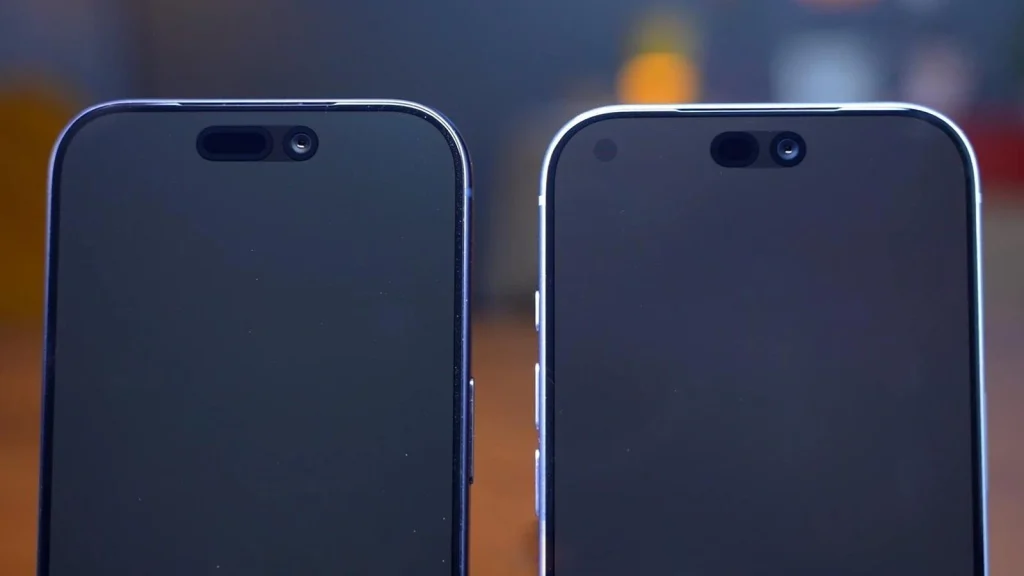
The first tests of the flagship iPhone 18 Pro and 18 Pro Max have revealed an important engineering quirk: the new Face ID system turns out to be critically sensitive to the type of protective cover. Applying a matte screen protector can cause face scanning to fail. YouTuber Dave Lee (Dave2D) was among the first to show that after a textured protector is applied, the phone stops recognizing its owner correctly.
A Smaller Cutout and a Hidden Sensor
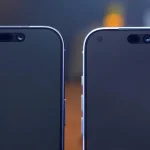
The problem lies in the redesigned TrueDepth layout. In the iPhone 18 Pro, Apple reduced the Dynamic Island cutout area by 25%, moving the Face ID infrared receiver directly under the surface of the OLED display. According to Notebookcheck, the sensor is hidden in the upper-left part of the screen — roughly in the area where the system clock is displayed.
To let the infrared beam pass through the layers of the panel, the engineers used a segment with reduced pixel density there. Although this area looks virtually identical to the rest of the screen, the transparency of the outer cover is critical to the hidden sensor’s operation.
Why Matte Protectors Interfere With Face ID
Dave Lee’s experiment showed that matte and anti-glare protective covers have a microtexture that physically scatters the infrared beam emitted by the hidden IR sensor. As a result, Face ID cannot capture an accurate map of the face, receiving “noisy” data.
With regular clear glass, even of a high durability grade, the problem does not occur — it transmits IR radiation without significant distortion. Similar failures can occur with low-quality “privacy” screen protectors that have a darkening effect, if their optical layer blocks the infrared spectrum.
Recommendations for Owners
The claim that Apple’s new phone is fundamentally incompatible with protective accessories is wrong. Makers of quality glass are already adapting their templates: in new batches of accessories, the area over the hidden IR sensor is made of perfectly clear material or has a cutout to eliminate interference.
If you plan to buy an iPhone 18 Pro or Pro Max, which go on sale September 18, you should avoid matte textures when choosing protection. Before buying a film or glass protector, it is worth checking the packaging for a note about compatibility with under-display sensors, so you don’t end up having to unlock the device with a passcode again.