









Top 10 Hybrid Cars in 2026: What to Choose and Not Regret
 ·
16.08.2026 12:39
·
11 min read
·
16.08.2026 12:39
·
11 min read
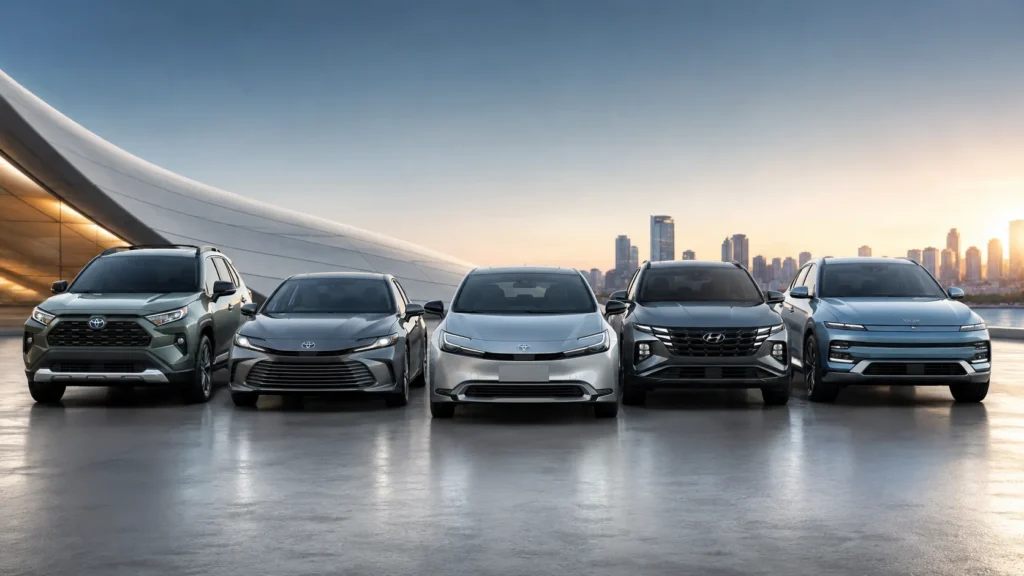
Hybrids are in a pretty good position in 2026. EVs aren’t for everyone due to charging infrastructure and long-distance travel quirks, while conventional gas cars lose out on fuel economy. A hybrid lets you get some of the benefits of an EV without changing your usual driving routine.
But choosing a good hybrid is harder than it seems. Under one name, there are completely different technologies — from classic HEVs that never need to be plugged in to PHEVs with a large battery and dozens of miles of electric range.
We’ve picked ten hybrid cars that are really worth considering in 2026.
First, Decide: HEV or PHEV?
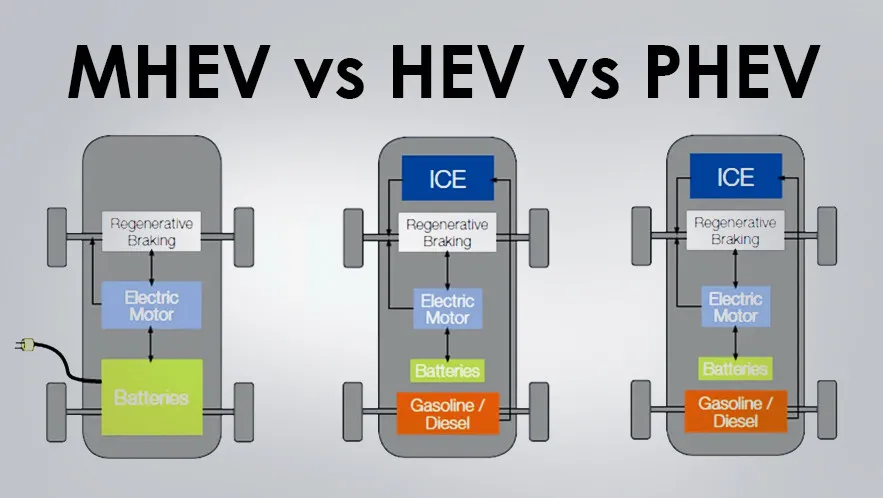
HEV — a regular hybrid. The battery is small and charges itself during braking and engine operation. You fill up with gas and never think about outlets. This is the option that suits most drivers best.
PHEV — a plug-in hybrid. The battery is much larger, you can charge the car from the grid, and drive mostly on electricity every day. But a PHEV only makes sense if you actually charge it regularly.
If you can’t charge at home or work, paying extra for a PHEV is often pointless: the big battery adds weight, and once it’s drained, you’re hauling around hundreds of extra pounds.
10. BYD Qin Plus DM-i — One of the Most Affordable Ways to Go PHEV
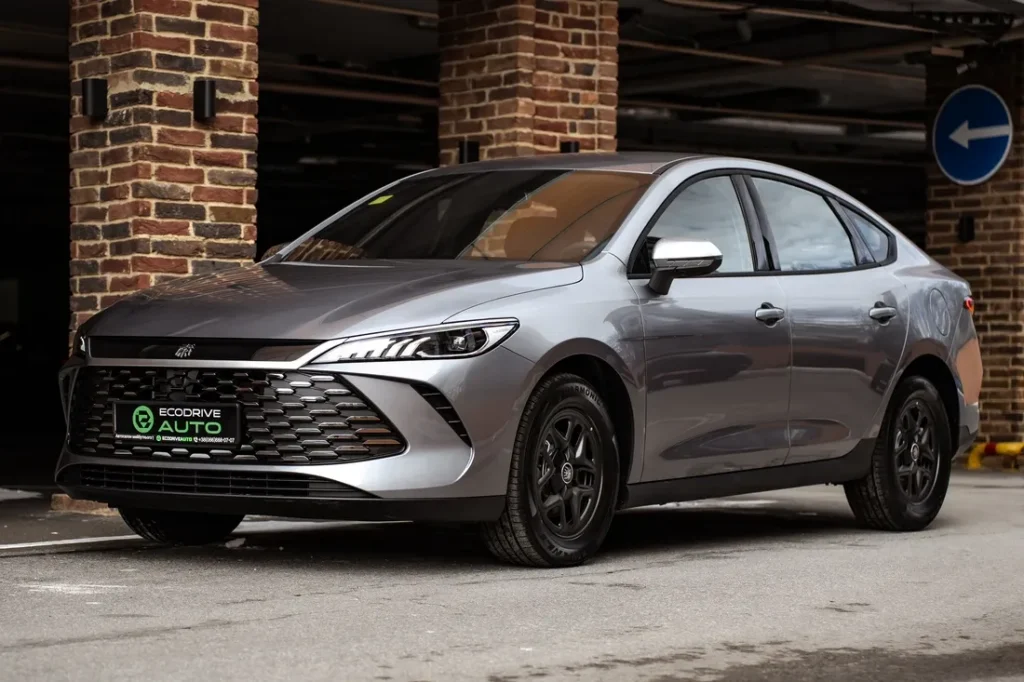
The Qin Plus DM-i is interesting primarily for its price-to-features-to-economy ratio. The powertrain consists of a 1.5-liter gas engine, an electric motor, and BYD’s proprietary Blade battery. Depending on the version, specs and battery capacity vary significantly, so when buying, it’s important to look not just at the car’s name but at the specific trim. BYD claims up to 197 hp and a large combined range for the current Qin Plus DM-i.
The main feature of the DM-i system is that the car tries to behave like an EV most of the time, with the gas engine kicking in as needed.
Who it’s for: those who want an affordable plug-in hybrid and do a lot of city driving.
What to consider: the large number of versions for different markets, software quirks, and the availability of specialized service. Before buying an imported example, it’s worth checking the infotainment language, charging port standards, and warranty terms.
9. Toyota Prius — The King of Efficiency Is Still Here
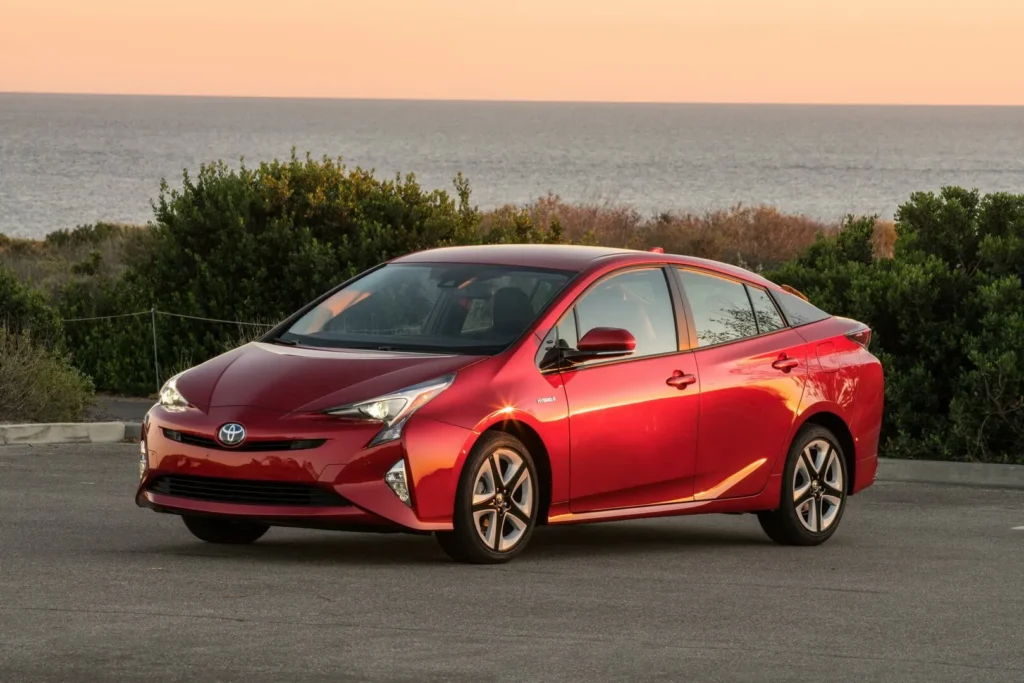
The Prius long ago stopped looking like a car you buy solely for fuel savings. The fifth generation got a low-slung body, a modern interior, and a significantly more powerful hybrid system.
The regular Prius uses a 2.0-liter engine and the fifth-generation hybrid system. Toyota claims up to 196 hp for the all-wheel-drive version and fuel economy of up to about 4.1 L/100 km in the most efficient configurations.
There’s also the Prius Plug-in Hybrid with 220 hp, which can travel up to about 70 km on electricity alone on the EPA cycle.
The Prius is especially good in the city: it starts smoothly, often shuts off the gas engine, and really sips fuel.
Who it’s for: those who value efficiency over ground clearance and cargo space.
Cons: low seating position, limited rear headroom, and not the most practical body shape.
8. Toyota Corolla Cross Hybrid — A Compact Option Without Experiments
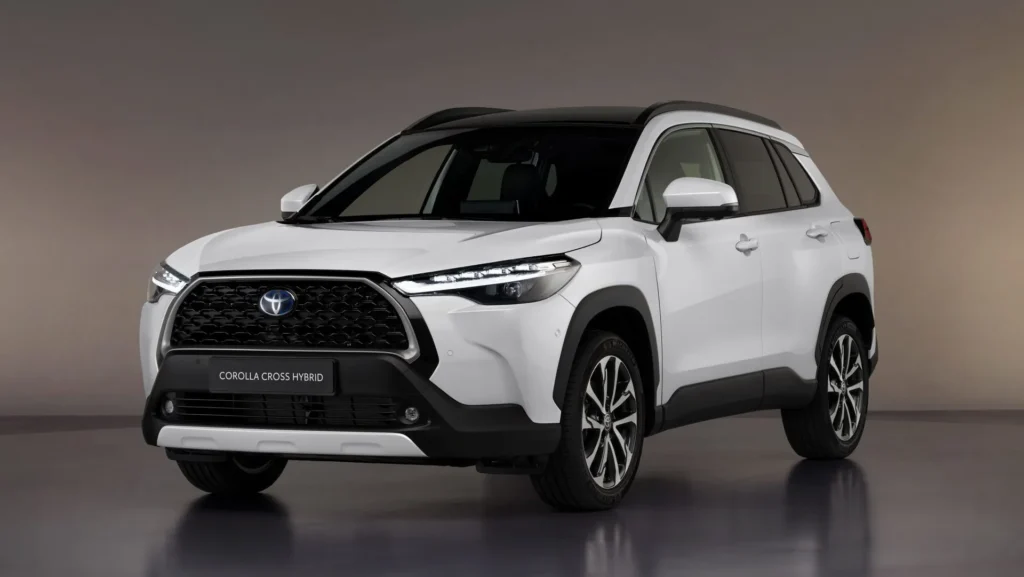
If the Prius is too low and the RAV4 seems too big and expensive, the Corolla Cross sits right in between.
The current European version is offered with hybrid systems producing about 140 and 180 hp, with official fuel economy ranging from about 4.9–5.1 L/100 km depending on the trim.
It’s not the fastest or most luxurious car in this ranking. Its advantage lies elsewhere: a simple concept, a comfortable high seating position, efficiency, and Toyota’s proven hybrid architecture.
Who it’s for: city driving, a family of two or three, daily commutes, and occasional road trips.
Cons: the interior is fairly plain, sound insulation is average, and well-equipped versions can approach the price of larger crossovers.
7. Honda CR-V e:HEV — For Those Who Prioritize Comfort
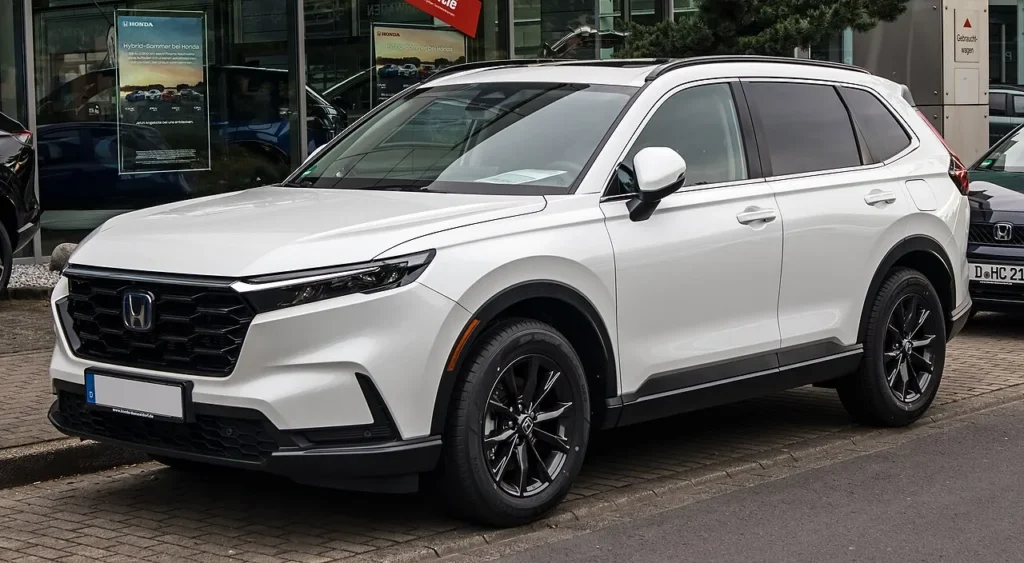
The CR-V uses an unusual e:HEV system. Most of the time, the wheels are driven by an electric motor, while the 2.0-liter gas engine primarily generates electricity or directly drives the wheels in appropriate driving modes.
The electric motor produces 184 hp and 335 Nm. The regular e:HEV charges its battery itself and doesn’t need to be plugged in.
There’s also the CR-V e:PHEV with a 17.7 kWh battery and an electric range of up to about 80 km.
You don’t choose the CR-V for record-breaking performance. Its strengths are a spacious cabin, a comfortable suspension, smooth hybrid operation, and a large trunk.
Who it’s for: families and those who do a lot of long-distance driving.
Cons: a high price relative to some competitors and a rather relaxed character.
6. Kia Sportage Hybrid — Maximum Features for the Money
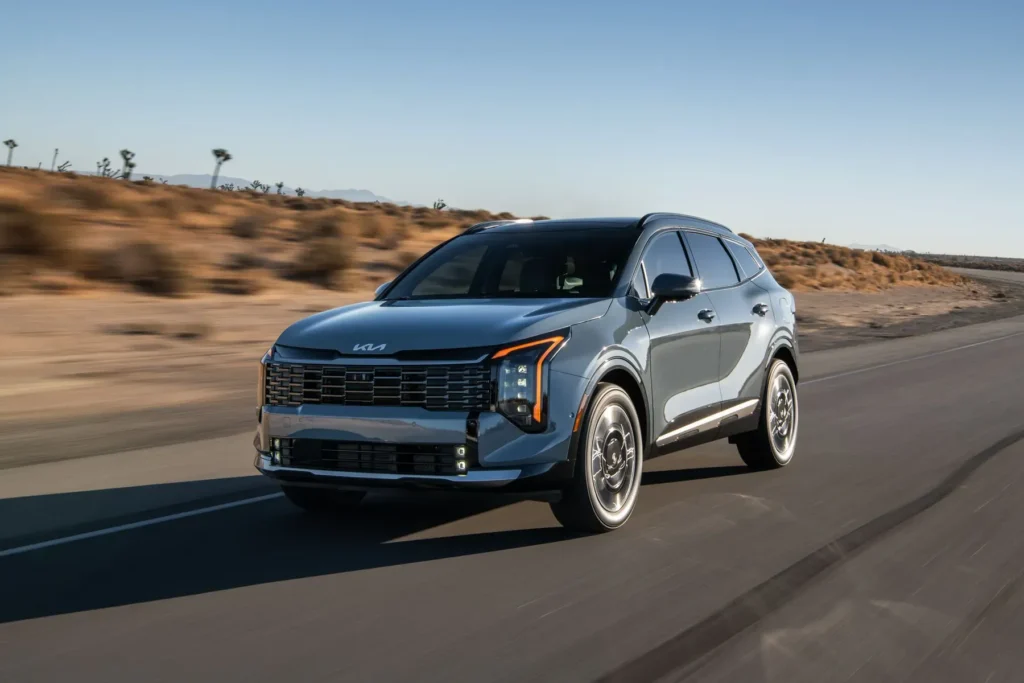
The Sportage Hybrid is one of the most balanced options among modern crossovers.
The current hybrid system combines a 1.6-liter turbo engine and an electric motor, producing around 232–235 hp depending on the specification. Unlike many hybrids with a CVT, it uses a conventional six-speed automatic.
The Sportage’s main selling point remains its interior. Large displays, cameras, driver assists, ventilated seats, and other features often appear earlier than in Japanese competitors in the same price bracket.
It’s also spacious and has a large trunk — the European HEV version offers up to 587 liters.
Who it’s for: those who want a modern family crossover with plenty of equipment.
Cons: the turbo engine makes the design more complex than Toyota’s classic naturally aspirated hybrids, and real-world fuel economy depends heavily on driving conditions.
5. Hyundai Tucson Hybrid — One of the Best All-Round Crossovers
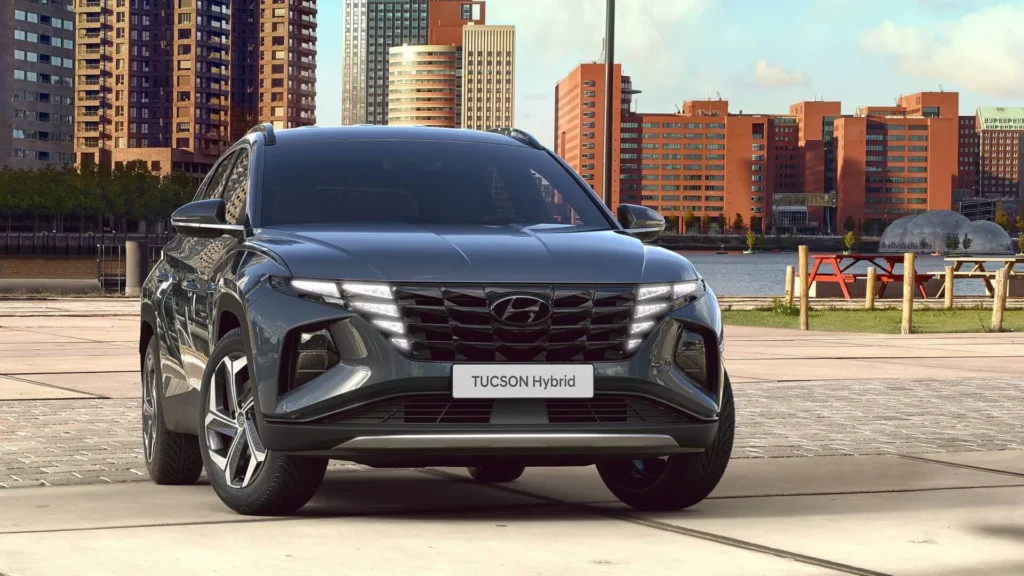
The Tucson is built on a similar formula to the Sportage, but it feels a bit different. It places more emphasis on comfort, smooth everyday driving, and a calm interior design.
Current versions use a 1.6-liter T-GDi with an electric motor. Depending on the market, total HEV output is around 215–231 hp. Both front-wheel drive and all-wheel drive are available.
There’s also a PHEV: its battery has a capacity of 13.8 kWh, and the electric range reaches about 69 km in the most efficient configuration.
But for most buyers, the regular Tucson HEV makes more sense: it doesn’t require charging and retains the benefits of a hybrid in city driving.
Who it’s for: practically a universal family car for everyday use.
Cons: if most of your mileage is on the highway, the fuel savings compared to a good diesel or efficient gas engine become smaller.
4. Lexus NX 350h — If You Want a Hybrid, but Premium
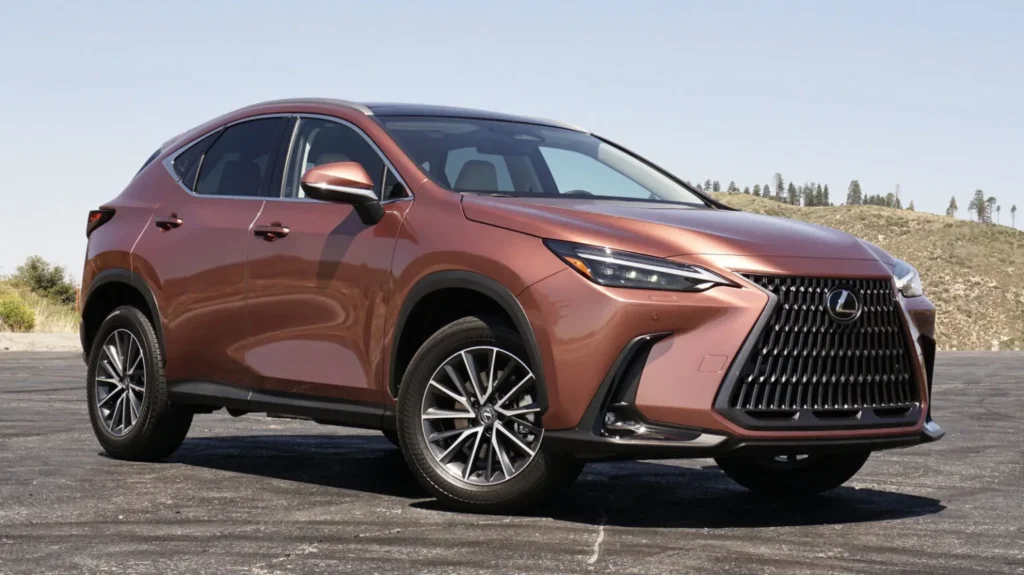
The NX 350h uses Toyota/Lexus’s well-proven architecture but adds a nicer interior, better sound insulation, and suspension tuning.
The 2026 American version produces 240 hp, with official fuel economy of up to about 40 mpg — roughly 5.9 L/100 km. For the 2026 model year, the NX 350h is offered with both front-wheel drive and all-wheel drive.
The NX 450h+ is also interesting: it’s a powerful PHEV that can drive on electricity daily. But the NX 350h looks like the most versatile option for someone who simply wants an efficient premium crossover without plugging in.
Who it’s for: those considering a RAV4 but willing to pay more for comfort and materials.
Cons: a noticeable premium for the brand and features, and some consumables and body parts cost significantly more than mass-market Toyotas.
3. BYD Song Plus DM-i — One of the Best Hybrids for Value
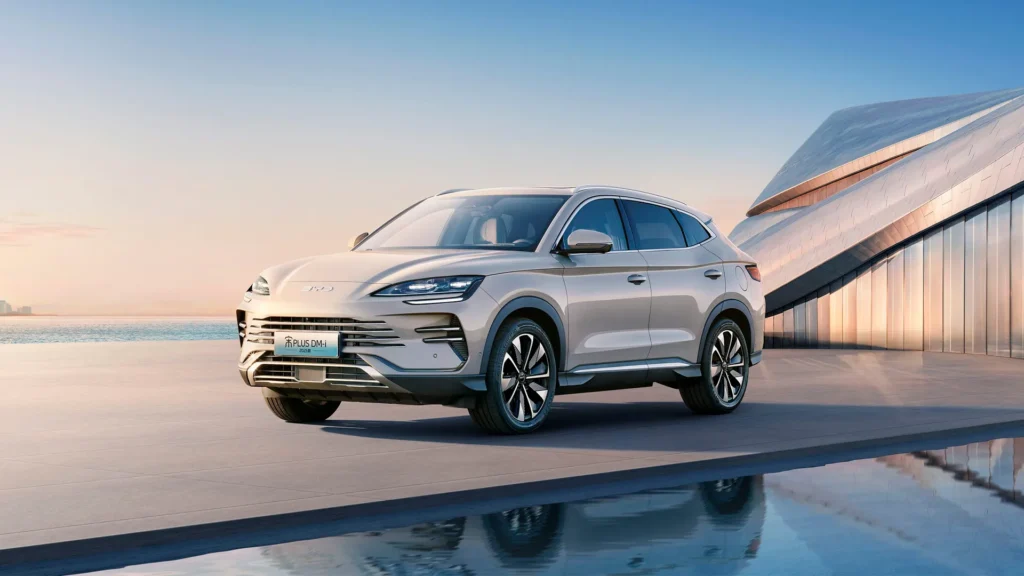
The Song Plus DM-i is a great example of why Chinese PHEVs have become so popular.
The car is built around the “electric first” concept: the electric motor plays the main role in driving, while the 1.5-liter gas engine assists it and ensures you’re not dependent on charging stations.
Depending on the version, the battery, power, and range differ. For several current configurations, BYD claims fuel economy of about 4.4 L/100 km after the battery is depleted, while the European sibling, the SEAL U DM-i, can travel over 70 km on electricity and more than 1000 km combined.
In practice, the Song Plus’s appeal also lies in its equipment: a panoramic roof, surround-view cameras, ventilated seats, large displays, and numerous electronic assists are available even in relatively affordable trims.
Who it’s for: those who can charge regularly and want the most features for their money.
What to check before buying: the specific battery and trim, charging standard, infotainment localization, software update availability, and service terms. The Song Plus has too many variants to choose based on model year alone.
2. Toyota Camry Hybrid — The Best Hybrid Sedan for Most People
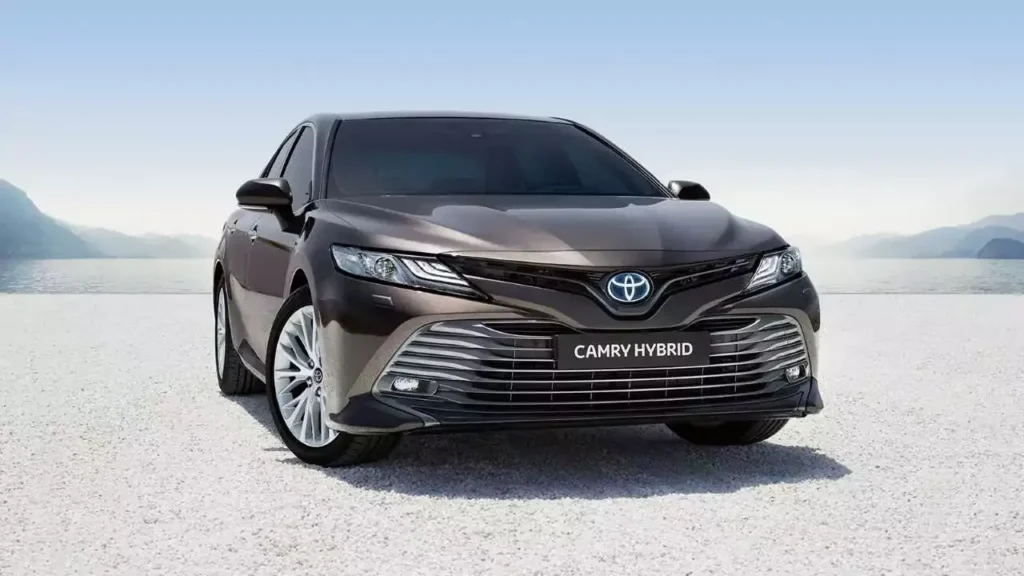
The new Camry generation has essentially cemented the model’s transition to a hybrid powertrain.
The current version uses a 2.5-liter naturally aspirated engine with Toyota’s hybrid system. The front-wheel-drive Camry produces 225 hp, while the all-wheel-drive version makes 232 hp. The most efficient trim has an official rating of up to 51 mpg, which corresponds to about 4.6 L/100 km.
For a large sedan, those are excellent numbers. But the Camry’s advantage isn’t just fuel economy. The hybrid system here doesn’t require changing your habits: get in, drive, fill up with gas, and drive again.
In the city, the car can often run on electric power, while on the highway, the efficient naturally aspirated engine takes over.
Who it’s for: those who don’t need a crossover and want a spacious car for city and long trips.
Cons: ground clearance and sedan geometry limit its capability on rough roads, and hauling large items is easier in a crossover.
1. Toyota RAV4 Hybrid — The Best All-Round Hybrid in 2026
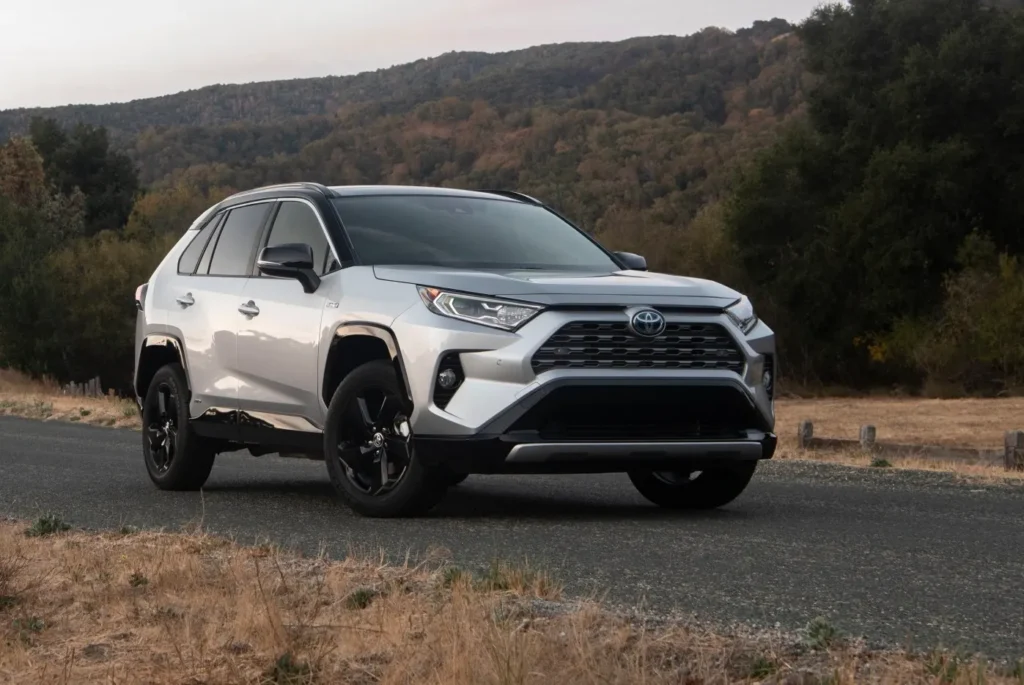
The first place goes not to the cheapest, most powerful, or most technologically advanced participant in the ranking. Instead, the RAV4 combines almost everything you’d typically want from a hybrid better than the others.
In the new generation, Toyota has dropped purely gas-powered RAV4s altogether: the 2026 model is available only as HEV and PHEV.
The regular RAV4 Hybrid produces 226 hp with front-wheel drive and 236 hp with all-wheel drive, and the most efficient versions can achieve about 43 mpg — roughly 5.5 L/100 km.
For those who want more, there’s the RAV4 PHEV with up to 324 hp. It’s significantly quicker and can handle most short daily trips without starting the engine.
The RAV4 is spacious enough for a family, not too big for the city, efficient, offers all-wheel drive, and doesn’t require charging in its standard HEV version.
That’s why, if the question is simply “which hybrid should I buy in 2026 without complicating my life?”, the RAV4 Hybrid remains the most versatile answer.
So Which Hybrid Should You Buy?
If you want the simplest operation without plugging in, look first at the Toyota RAV4 Hybrid, Camry Hybrid, Corolla Cross Hybrid, Lexus NX 350h, and Honda CR-V e:HEV.
If you have home charging, a relatively short daily commute, and want to drive like an EV most of the time, the BYD Song Plus DM-i and other PHEVs become much more appealing.
For a big city and minimal fuel consumption, the Toyota Prius is a good choice. For a family and maximum features, the Hyundai Tucson Hybrid or Kia Sportage Hybrid. In the premium segment, the Lexus NX 350h looks like the most rational option.
The key is not to choose a car based solely on a nice fuel economy figure from the brochure. For PHEVs, be sure to check fuel economy with a depleted battery; for imported cars, check the charging standard and software availability; and when buying a used hybrid, check the condition of the high-voltage battery.
A hybrid can indeed save a significant amount of fuel, but only when its type matches your driving conditions. For most drivers in 2026, a regular HEV remains the most hassle-free compromise between a gas car and an EV.