








9 Iconic Movies Without a Happy Ending: When Evil Wins Against All Odds
 ·
27.08.2026 13:45
·
5 min read
·
27.08.2026 13:45
·
5 min read
Most cinematic stories offer the audience the hope of justice, where the villain is punished and the heroes are saved. This special selection features nine outstanding thrillers, horror films, and psychological dramas whose creators intentionally rejected the conventions of a happy ending, allowing sinister forces, serial killers, or oppressive systems to achieve a crushing victory.
1. Midsommar — 2019

Director Ari Aster turns the horror genre inside out in this A24 production: the nightmare unfolds not in the dark, but under the blinding summer sun of the Swedish Hårga commune.
The protagonist, Dani, arrives at the festival while suffering from deep emotional trauma. Pagan rituals gradually turn into human sacrifices, where guests become fuel for the ceremony.
The finale leaves a chilling impression: while the survivor of the violence technically finds acceptance and smiles in her May Queen crown, the price of her “liberation” is the cult’s total madness.
2. The Talented Mr. Ripley — 1999
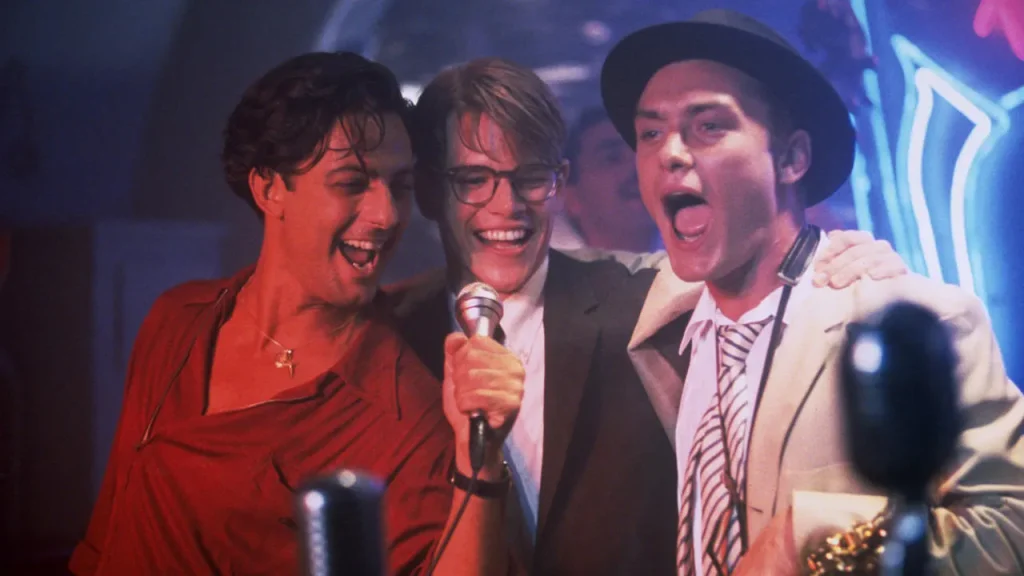
This psychological thriller from Paramount Pictures, starring Matt Damon, tells the story of a skilled sociopath, Tom Ripley, who is obsessed with the luxurious life of wealthy heir Dickie Greenleaf.
Instead of the inevitable exposure of the fraudster, the audience watches as cold calculation and lies help the antagonist eliminate all witnesses and get away with it.
The victory of evil here is absolute: Ripley escapes justice and assumes another person’s life, ending up alone with his own inner emptiness.
3. Eden Lake — 2008
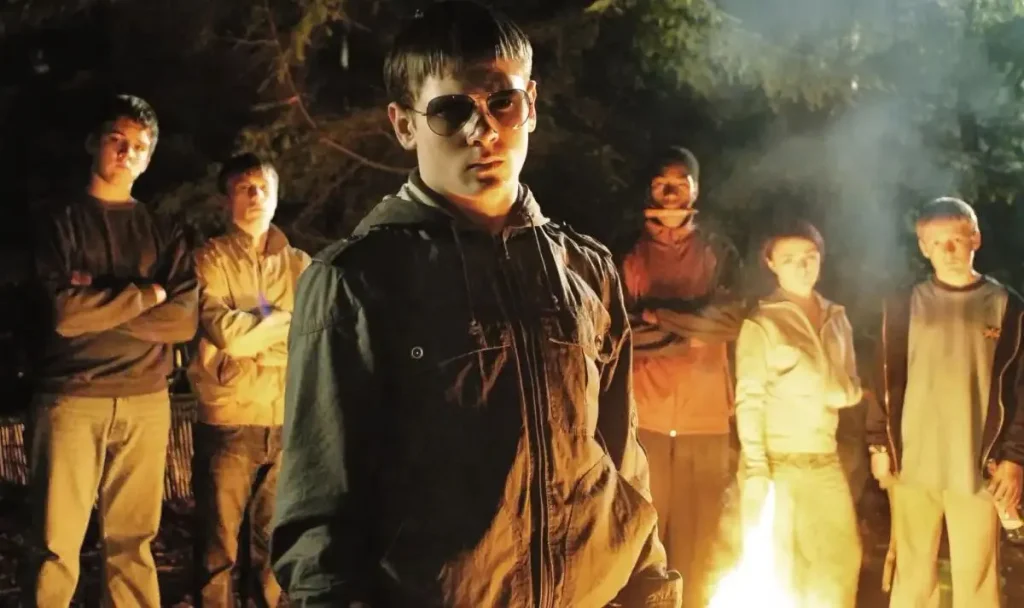
James Watkins’ uncompromising British thriller is devoid of mysticism: a romantic weekend for a young couple at a forest lake turns into a hunt for survival, orchestrated by a gang of aggressive teenagers.
The film is shocking in its realism. When the exhausted heroine manages to escape the woods to a nearby village, her rescue turns into her worst nightmare—she ends up in the home of the sadists’ parents, where the adults cover up their children’s crimes. There is no chance of escape.
4. The Omen — 2006
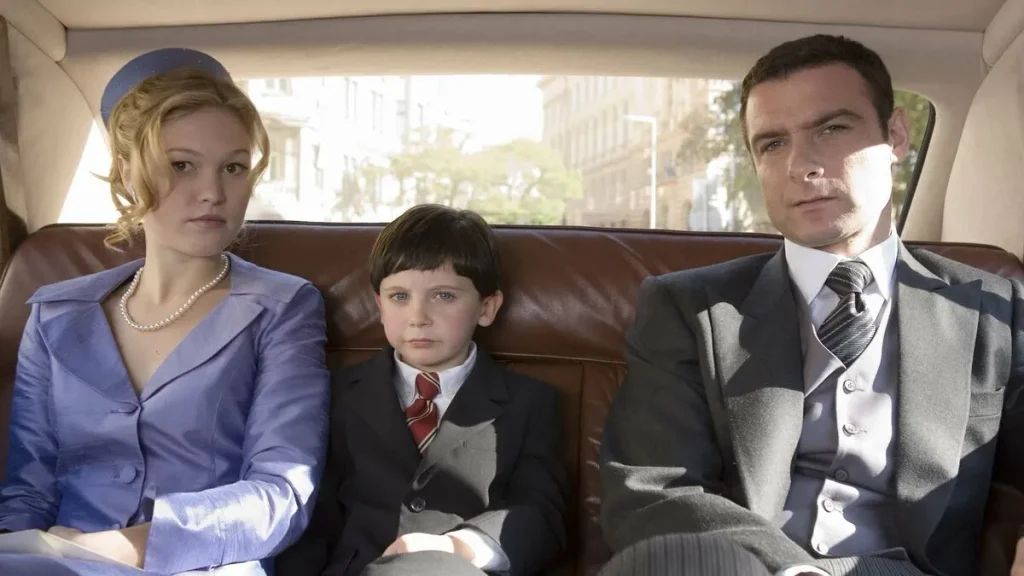
This remake of the classic supernatural horror film follows an American diplomat who adopts an orphan named Damien after the death of his own infant. Unexplained deaths begin to occur around the boy, and the father realizes he is raising the earthly incarnation of the Antichrist.
The suspense hinges on an attempt to prevent an apocalyptic prophecy. In the end, the attempt to destroy evil fails: the father is killed by police gunfire, and the surviving child is seen at the funeral holding the hand of the US President, gaining direct access to the pinnacle of global power.
5. Primal Fear — 1996
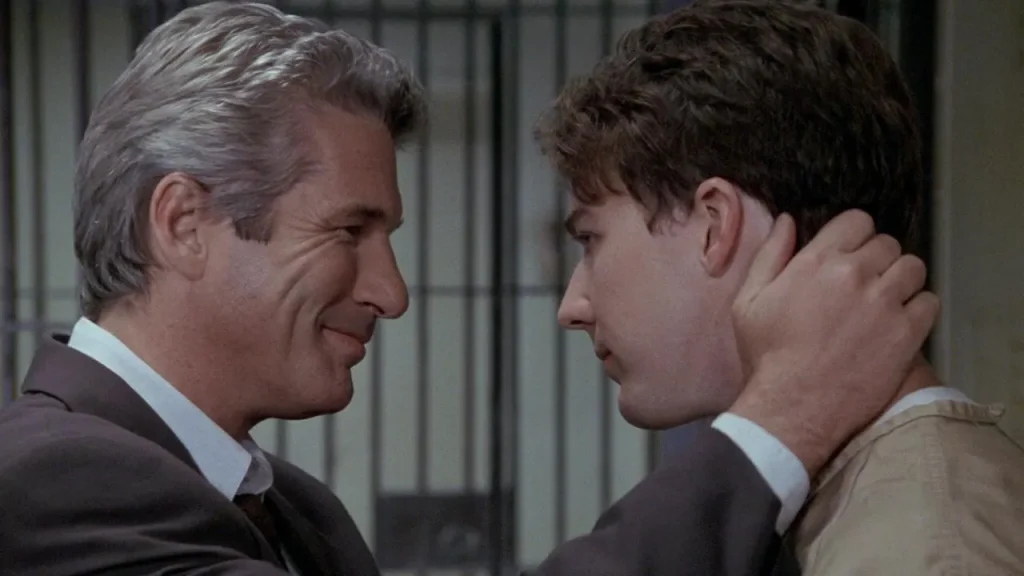
This courtroom thriller from Paramount Pictures made Edward Norton famous for his role as Aaron, a shy altar boy accused of the brutal murder of an archbishop.
Defense attorney Martin Vail (Richard Gere) builds his case on the defendant’s dissociative identity disorder, arguing that a violent alternate personality named Roy committed the crime.
The twist turns everything upside down: after securing an acquittal and a transfer to a psychiatric facility, “Aaron” smirkingly confesses to his lawyer that the shy boy never existed and that the split personality was a brilliant simulation by a psychopath.
6. Drag Me to Hell — 2009
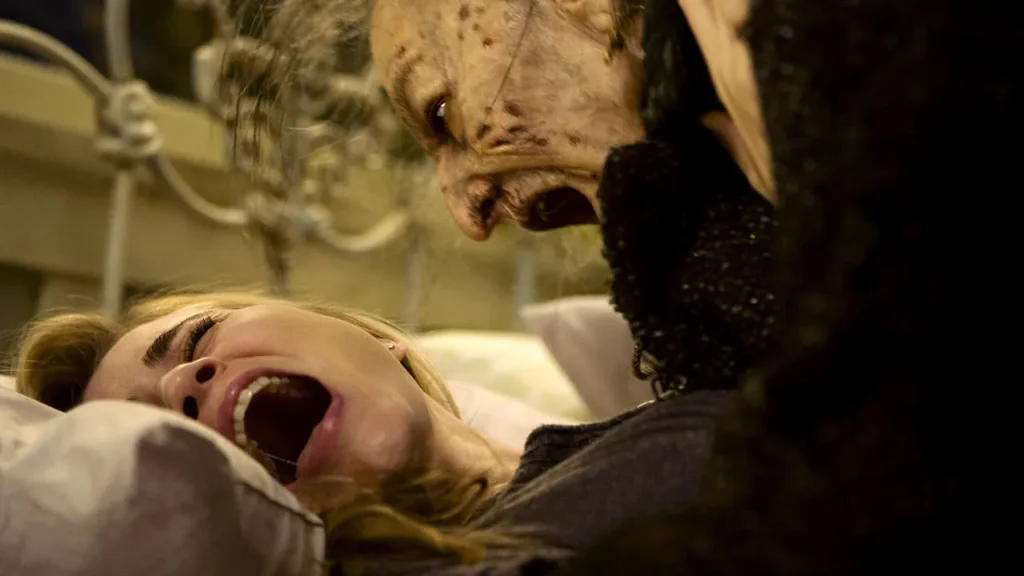
This Sam Raimi horror film from Universal follows bank employee Christine Brown, who is cursed by a Romani woman with the demon Lamia after denying a loan extension.
After enduring grueling rituals and believing she has successfully passed the curse on, the heroine heads to the train station to meet her fiancé.
In the final seconds, it is revealed that due to a mix-up with an envelope, she still has the cursed button: the ground beneath her opens up, and demonic hands drag Christine into the underworld before her lover’s eyes.
7. Se7en — 1995
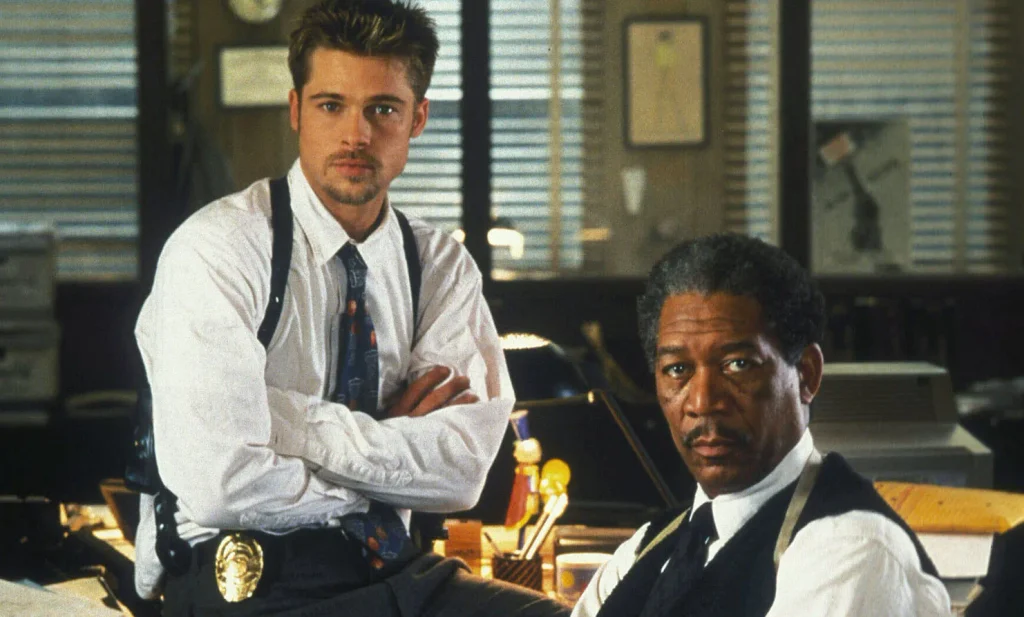
David Fincher’s neo-noir masterpiece, starring Brad Pitt and Morgan Freeman as detectives investigating a series of elaborate murders based on the seven deadly sins.
The killer, John Doe, voluntarily surrenders to the police, turning his own arrest into the final part of his plan.
After leading the investigators into the desert, the villain provokes young detective Mills with a package containing his pregnant wife’s head: succumbing to rage (“Wrath”), the policeman shoots the killer, thereby completing the murderer’s sermon according to his own script.
8. One Flew Over the Cuckoo’s Nest — 1975
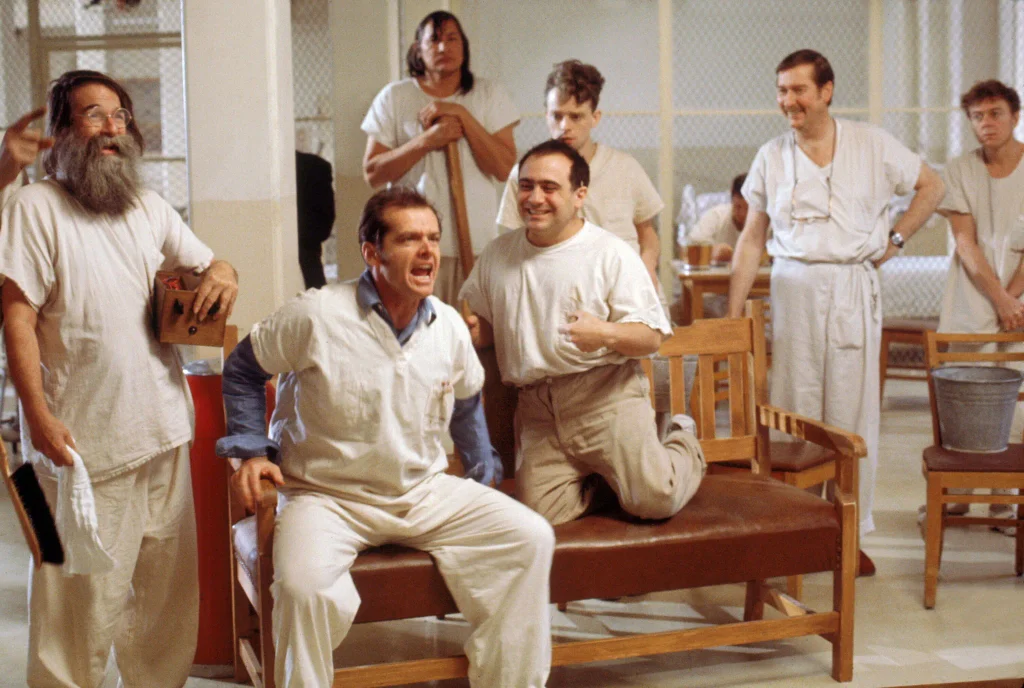
This iconic adaptation of Ken Kesey’s novel, starring Jack Nicholson, is preserved in the British Film Institute (BFI) archives.
Rebel Randle McMurphy is committed to a psychiatric hospital and attempts to challenge the tyranny of head nurse Mildred Ratched, restoring the patients’ sense of dignity.
The system ruthlessly suppresses resistance: McMurphy is lobotomized, reduced to a shell of a man. And although Chief breaks a window and escapes to freedom, in the physical confrontation with institutional evil, the individual is broken.
9. The Skeleton Key — 2005

An atmospheric supernatural thriller from Universal Pictures, starring Kate Hudson as Caroline, a hospice nurse hired to work at a mansion in the Louisiana bayou.
After discovering a hoodoo ritual room in the attic, she attempts to save a paralyzed old man from his witch-like wife.
The finale is built on the concept of belief: the soul-transfer ritual only works on those who believe in magic. While investigating the house’s secret, the heroine traps herself—her consciousness is transferred into the frail body of an old woman, while the ancient sorcerers gain a young body and an inheritance.
The Appeal of Dark Endings
Films where evil triumphs evoke a powerful emotional catharsis precisely by subverting expectations: they reject the comfortable illusion of safety and force the viewer to experience a sense of genuine helplessness in the face of circumstances.
Enjoy the movies!