








Japanese Candy-Feeding VR Headset Goes Viral Again: Why It Isn’t a Gadget for Lonely People
 ·
05.09.2026 13:17
·
2 min read
·
05.09.2026 13:17
·
2 min read
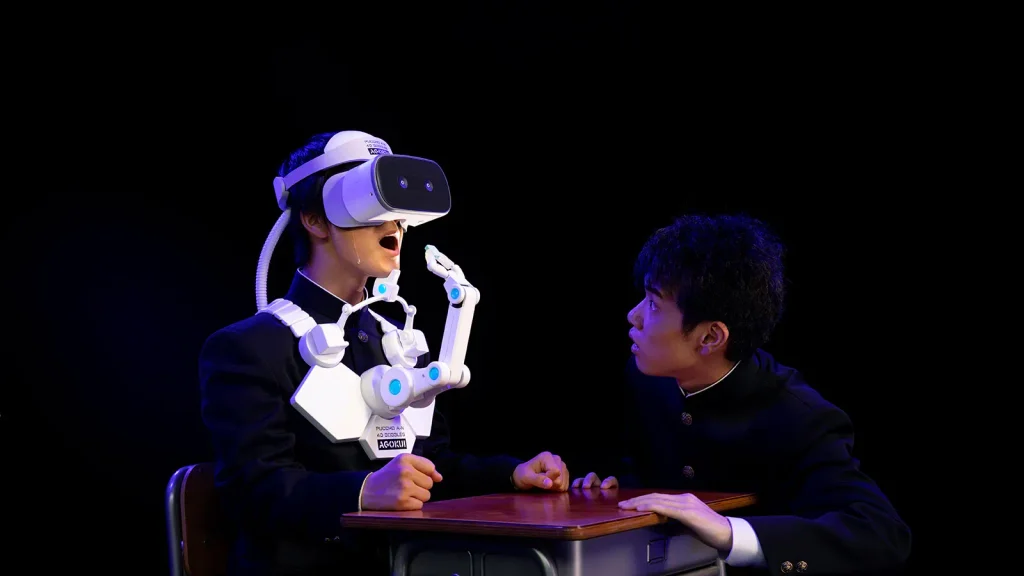
A video showcasing an unusual Japanese invention has gone viral on social media once again: a person sits wearing a bulky VR headset while a mechanical finger romantically lifts their chin and a second robotic arm places a piece of candy in their mouth. Social media accounts presented the clip as a “new Japanese gadget for lonely people,” but in reality, the device is already eight years old and was never available for purchase, even at the height of its popularity.
Anime Romance Tropes and Candy Advertising
Dubbed the Puccho Aan 4D Goggles AGOKUI, the contraption was introduced back in September 2018. It was developed by confectionery manufacturer UHA Mikakuto solely to promote Puccho chewy candy.
The campaign centered on an integration with popular Japanese actress and idol Kanna Hashimoto. Wearing the headset, users watched first-person pre-recorded scenes where Hashimoto virtually fed them sweets to the traditional phrase “Aaa-n” (the Japanese equivalent of “open wide”). According to the official campaign announcement on PR Times, the servo-driven robotic arm mirrored the actress’s on-screen movements down to the millisecond.
The word “agokui” in the name refers to a classic shojo manga and romantic drama trope where one character gently lifts another’s chin before a kiss. The original spring version of the headset featured only the candy-feeding arm (which could even tease users by abruptly pulling away), while the chin-lifting mechanism was introduced specifically for the fall revision.
A One-Off Promotional Item, Not a Commercial Product
The most glaring mistake in the viral posts is the claim of an impending commercial launch. The device was never released and was never intended for the consumer market:
- Both revisions of the headset were handmade in limited quantities as promotional giveaways;
- The second version, AGOKUI, was raffled off on X (formerly Twitter) — only two people across all of Japan won one;
- The manufacturer built only a single unit of the first model.
As the mechanics designers at Pyramid Film Quadra noted, the project was intended purely as viral marketing. It fully accomplished its goal: the videos racked up over 8 million views in just a few days and earned the creators a 2018 Code Award. The quirky robotic headset genuinely worked, but its purpose was driving candy sales, not solving loneliness.