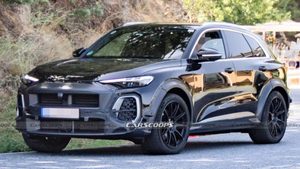

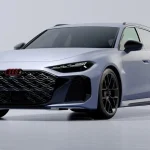







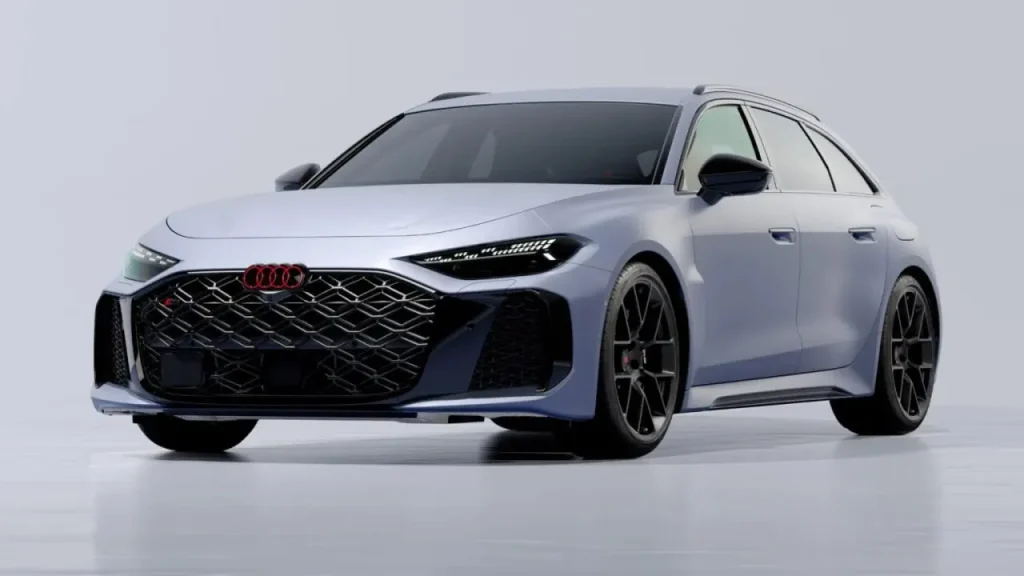
Audi reported a record commercial launch for its flagship sports car. The entire planned 2026 production run for the next-generation RS5 has completely sold out through pre-orders, with European customer demand nearly doubling marketing expectations. The German automaker called the launch the most successful in the history of its Audi Sport division.
Brand representatives announced this in an official press release while reviewing European interim sales figures ahead of initial shipments to Japan, Australia, and South Korea. The model debuted in February, customer deliveries began in June, and in just four months, dealerships exhausted all available production slots at the Neckarsulm factory through the end of the current manufacturing cycle.
A 639-HP Hybrid V6 Instead of Controversial Downsizing
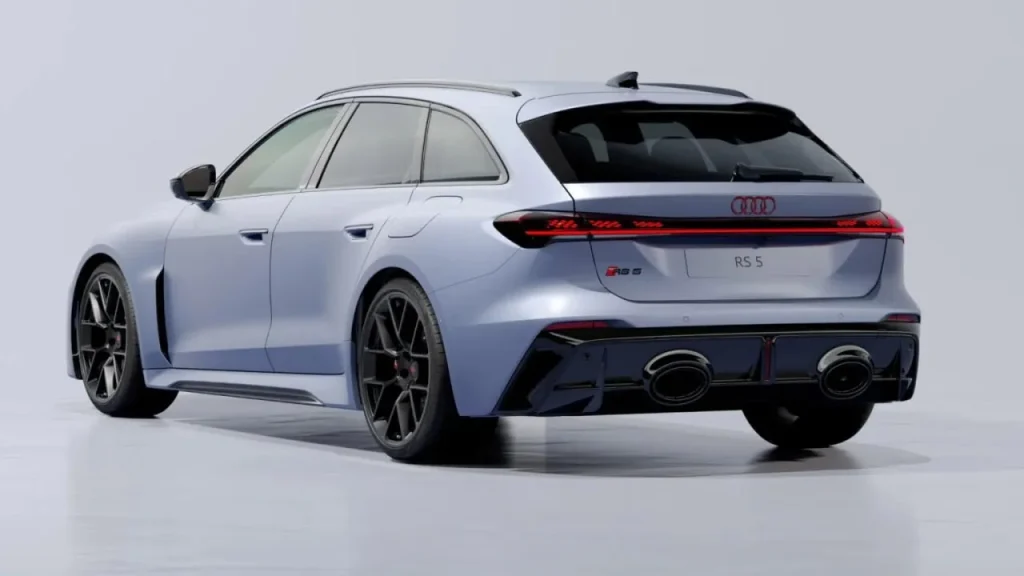
The generational redesign brings a fundamental engineering shift: the new RS5 is the first production plug-in hybrid (PHEV) in the brand’s performance lineup. As before, the model is available in two body styles: a traditional sedan and a practical Avant wagon.
According to Audi’s official specifications, engineers decided against shrinking the combustion engine’s displacement:
- under the hood sits a 2.9-liter twin-turbo gas V6 delivering 510 hp;
- it works alongside an integrated 177-hp electric motor;
- total powertrain output reaches 639 hp and 825 Nm of torque;
- the 0-to-100 km/h sprint takes 3.6 seconds, with top speed raised to 285 km/h with the Audi Sport package;
- a traction battery with 22 kWh of usable capacity delivers up to 84 km of silent, all-electric range.
In Germany, the base sedan starts at €106,200, while the wagon begins at €107,850.
Why the Engineering Bet Paid Off
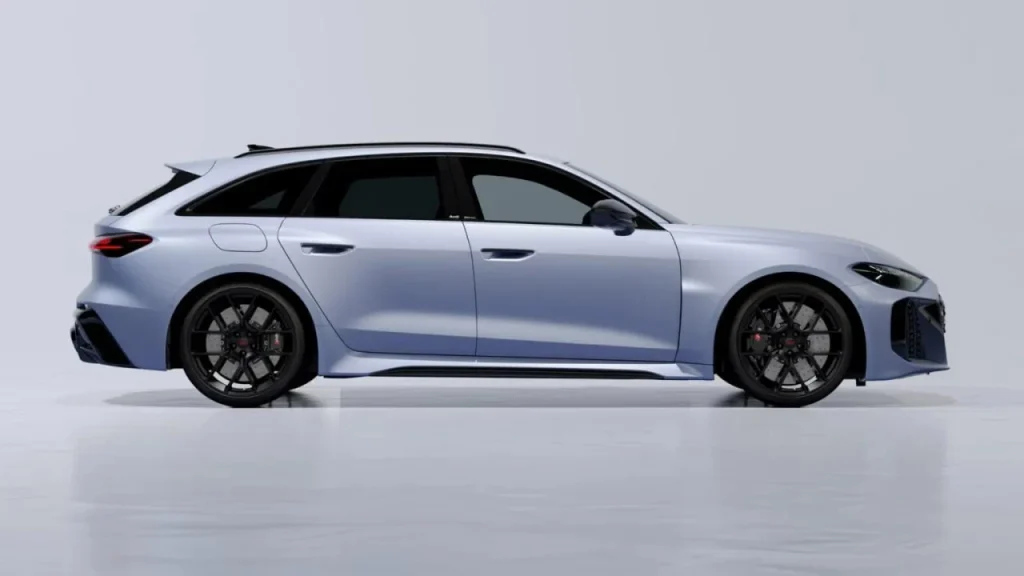
Heavy demand for the model stands out against a broader global slump for performance hybrids. Direct competitors have encountered severe pushback from buyers—notably the Mercedes-AMG C 63, where replacing the signature V8 engine with a four-cylinder hybrid system triggered a marked sales drop.
Audi chose a more conservative path: while the hybrid system inevitably added extra weight, retaining an authentic six-cylinder exhaust note alongside explosive acceleration convinced traditional petrolheads to place orders. However, assessing the exact scale of this success remains difficult, as the automaker avoids publishing unit sales and keeps factory production quotas private.
Buyers who did not submit an order this summer will now have to wait until 2027—Ingolstadt has no current plans to expand plant capacity to cover peak demand.