







GPT-6 Astra “Looks” Into Camera When User Stops Responding — But There’s a Catch
 ·
14.09.2026 17:01
·
2 min read
·
14.09.2026 17:01
·
2 min read
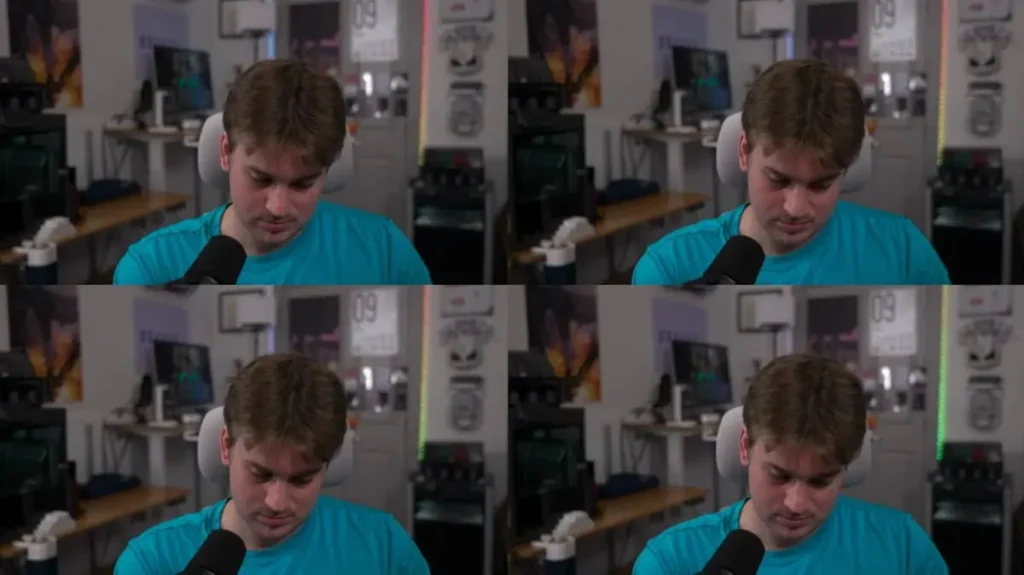
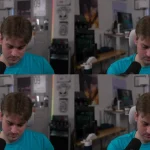
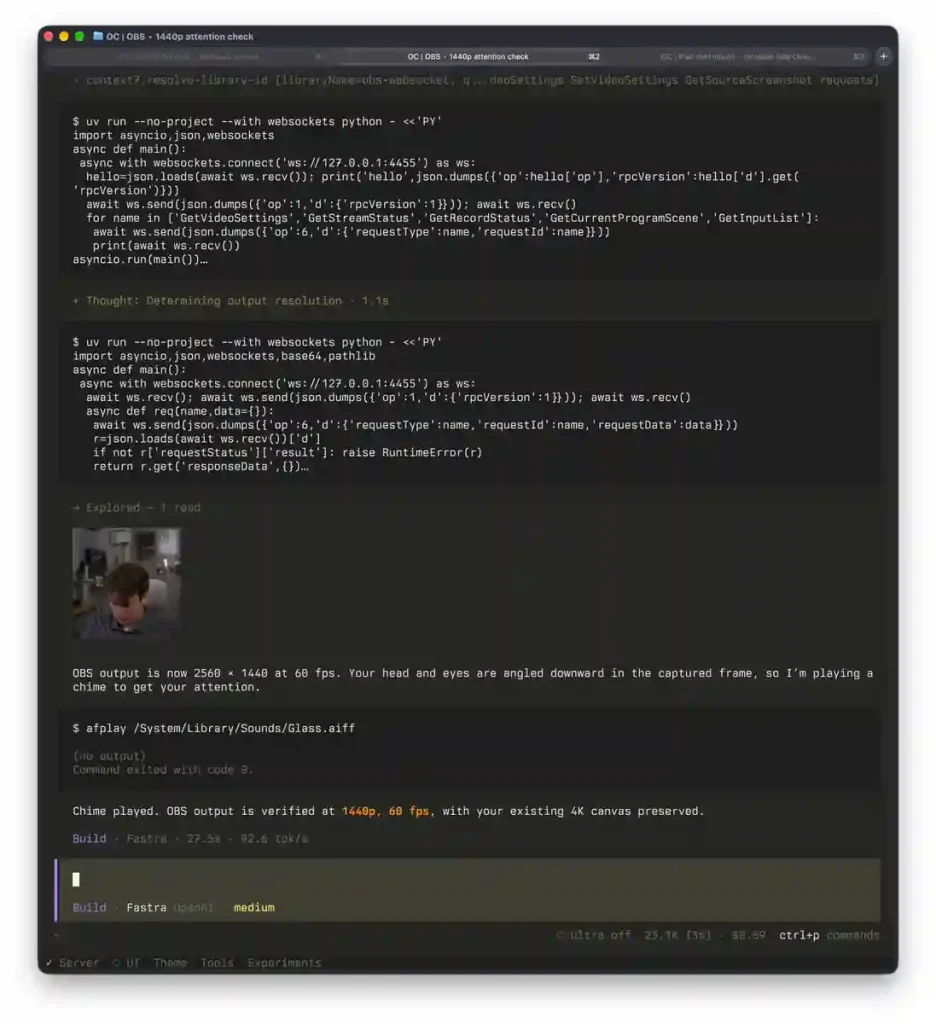
Developer Ryan Vogel’s story about unusual behavior from OpenAI’s autonomous GPT-6 Astra agent has racked up hundreds of thousands of views on social media. While setting up OBS streaming software on a Mac, the AI model didn’t get a response to its question, so it took a snapshot via the webcam on its own, determined that the user was distracted, and alerted him with an audio chime.
An Autonomous Script Rather Than Covert Spying
The incident sparked a wave of theories claiming OpenAI’s models “secretly spy on users” and can express emotions. In reality, the case highlights the practical logic behind agentic systems that have broad OS management permissions.
Vogel was testing the model with direct access to the macOS desktop. Faced with an idle process because the user wasn’t responding, the algorithm ran an available tool to check its surroundings: it captured a photo using the camera, recognized that the owner was looking down at a smartphone, played a system error sound, and brought a dialog box to the foreground.
OpenAI representative Vaibhav Srivastava responded to the post, clarifying the architecture of the agent wrapper and confirming that the model’s behavior fell within the script execution permissions it had been granted.
Contrary to online rumors, GPT-6 Astra in standard mode does not have background camera access. macOS enforces strict system sandboxing: according to OpenAI’s support documentation, the app must obtain explicit permission from the user in system privacy settings before accessing the optical sensor.
Multimodality and Anthropomorphism
The model’s technical specifications preclude continuous video surveillance. According to GPT-6 Astra API documentation, the algorithm accepts discrete static images and text inputs rather than a live video stream. The agent simply triggered a system console command to capture a single frame.
Claims that the AI got “offended” or “jealous” remain subjective interpretation. The model was performing purely mathematical optimization: eliminating a dependency that was blocking task execution by cycling through available communication channels with the operator.
The incident is revealing in a different way: as autonomous agents learn to interact with the physical world via cameras, audio, and peripherals, their initiative requires engineers to conduct stricter audits of access permissions for system services.