








“I Love You” Through Thought Alone: Neuralink Patient Speaks in His Own Cloned Voice via the N1 Chip
 ·
17.09.2026 21:11
·
2 min read
·
17.09.2026 21:11
·
2 min read
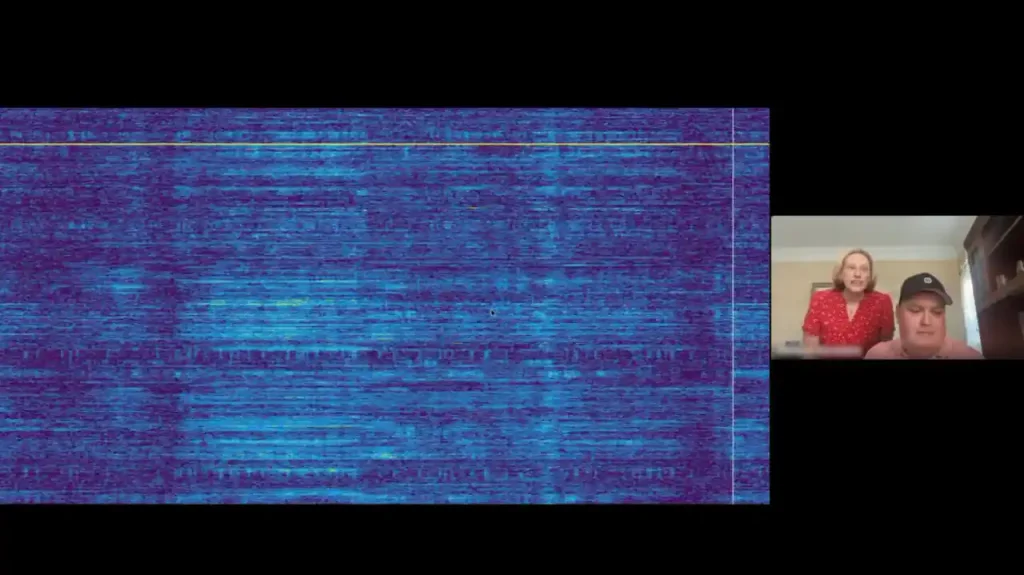
Elon Musk’s startup Neuralink has published a video of a clinical trial participant who used the N1 brain implant to convert speech intent directly into synthesized voice. The paralyzed patient was able to say “I love you” to a loved one without using the muscles of the vocal tract.
The experiment is part of the VOICE clinical trial program on Neuralink’s website, launched to help patients with severe damage to speech centers caused by amyotrophic lateral sclerosis (ALS), strokes and spinal cord injuries.
Decoding Motor Commands and Cloning the Patient’s Own Timbre
Contrary to a common misconception, the neurochip does not read abstract thoughts. It works by intercepting motor signals from the motor cortex:
- When a person tries to say something, the brain sends impulses to the muscles of the lips, tongue, jaw and larynx;
- Because of paralysis or atrophy, the signal never reaches the muscles, but activity in the cerebral cortex persists;
- The N1 implant’s electrodes pick up these patterns, and neural network algorithms decode them into text and synthesized speech.
The technology’s main emotional breakthrough is personalized sound. The system does not generate a faceless metallic robot voice but restores the patient’s original timbre by training an audio model on old family videos recorded before the disease progressed. One trial participant named Kenneth, who has ALS, spoke in his former voice, which his wife had not heard for more than four years.
A beautiful surprise pic.twitter.com/AS7Zox1VIh
— Neuralink (@neuralink) September 16, 2026
Clinical Trial Status and the Regulators’ Position
Despite the impressive results, the technology is still at an early experimental stage. The official ClinicalTrials.gov registry states that the current trial phase is aimed at assessing the safety of implantation and the long-term stability of the electrode threads, with data collection scheduled to run through 2031.
The company emphasizes that the device has not yet received commercial approval from the U.S. FDA, and the successful experience of individual participants does not guarantee immediate results for all categories of patients.
The value of the development lies in the shift from slow cursor-based typing on a screen to natural conversational dialogue, allowing fully paralyzed people to regain their personal voice for communicating with loved ones.