









Lotus Revives Spirit of Esprit: Type 135 Supercar to Get Hybrid V6 and V8, Over 1,000 HP, and 1.5-Ton Weight
 ·
30.08.2026 22:53
·
3 min read
·
30.08.2026 22:53
·
3 min read
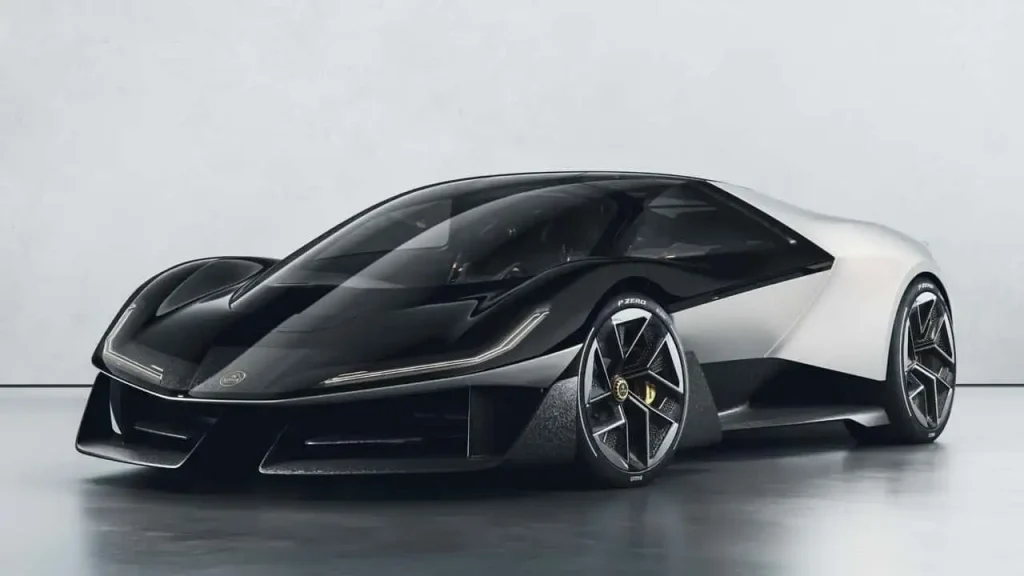
British automaker Lotus has revealed technical details of its flagship mid-engine supercar, the Type 135, which is highly likely to revive the iconic Esprit nameplate. The company has radically revised its previous shift toward full electrification: instead of a battery-electric coupe, the brand will launch a high-tech hybrid featuring twin-turbo V6 and V8 engines producing over 1,000 hp and a record-low curb weight for its class of around 1.5 metric tons.
Strategic U-Turn: Hybrid V8 Replaces Battery-Electric Powertrain
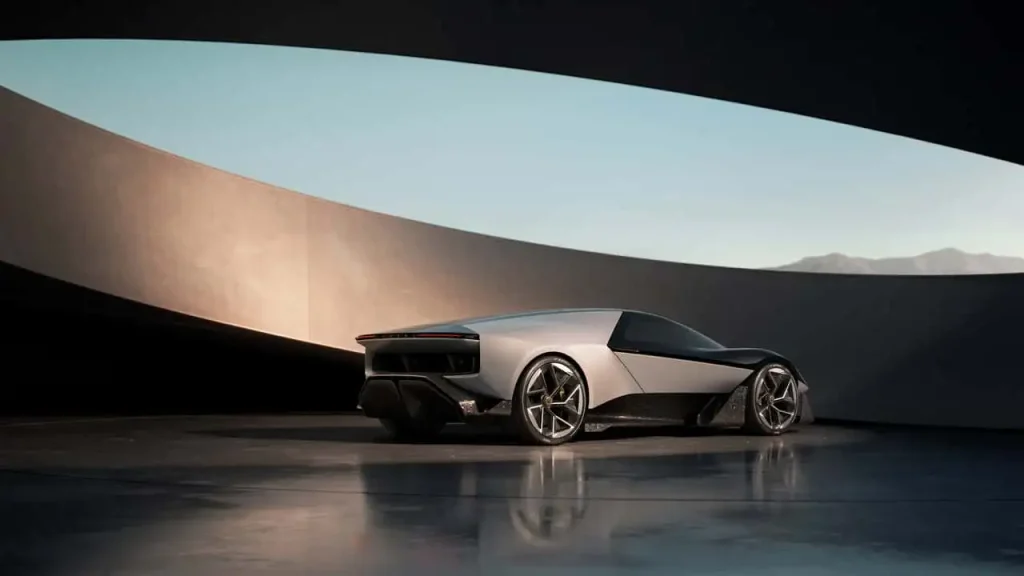
Initially, the Type 135 project was planned as an all-electric successor to the Emira. However, cooling demand for heavy battery-electric supercars prompted management to reconsider. As part of its updated development strategy, the company has brought internal combustion engines back into its lineup.
According to the official announcement of the Focus 2030 strategy, the top-spec variant will feature a mid-engine layout with a new hybrid V8 delivering over 1,000 hp. This will be the brand’s first eight-cylinder road car since the original Esprit V8 ended production in 2004.
The engine is not being developed by Mercedes-AMG, as previously thought, but by engineering firm Horse Powertrain (a joint venture between Geely and Renault), which is also developing a new 8-speed dual-clutch transmission (DCT).
Target Mass of 1,500 kg and Formula 1-Derived Electric Motors
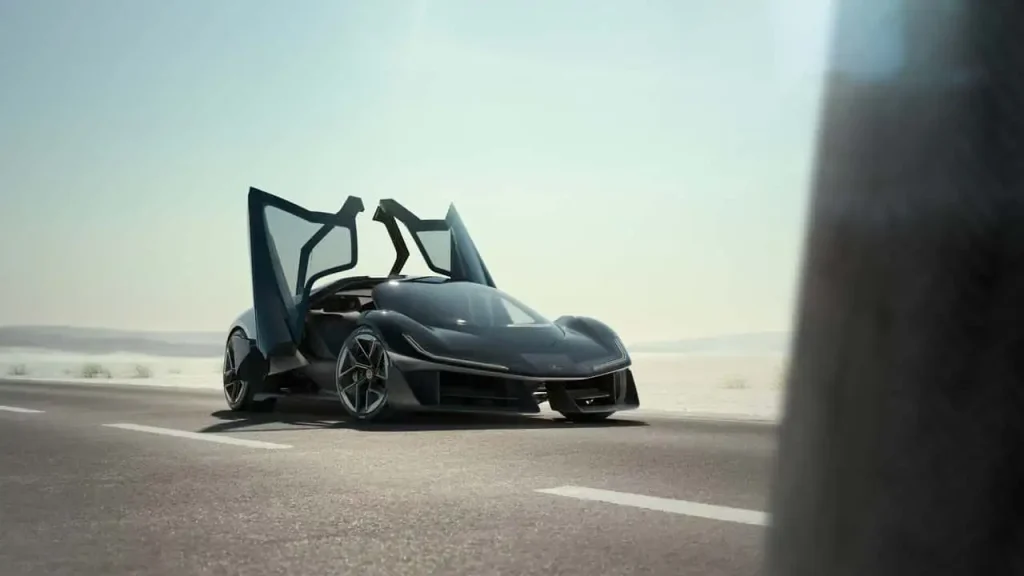
The primary engineering challenge of the project was weight management. Speaking to investors, Lotus CEO Feng Qingfeng confirmed the target of keeping the hybrid all-wheel-drive supercar’s curb weight at around 1,500 kg.
To achieve this, engineers implemented several extreme weight-saving measures:
- Ultra-lightweight electric traction motors: Formula 1-derived units producing around 150 kW weigh just about 20 kg each (compared to 75–95 kg for standard industrial equivalents);
- No plug-in setup: the car will feature a compact buffer battery with an 800-volt architecture instead of a heavy PHEV battery pack, avoiding an extra 200–300 kg of dead weight;
- Hybrid chassis construction: the chassis will build upon the ultra-rigid carbon-fiber monocoque from the Evija hypercar paired with lightweight aluminum subframes.
Entry-Level V6 Version for Purists
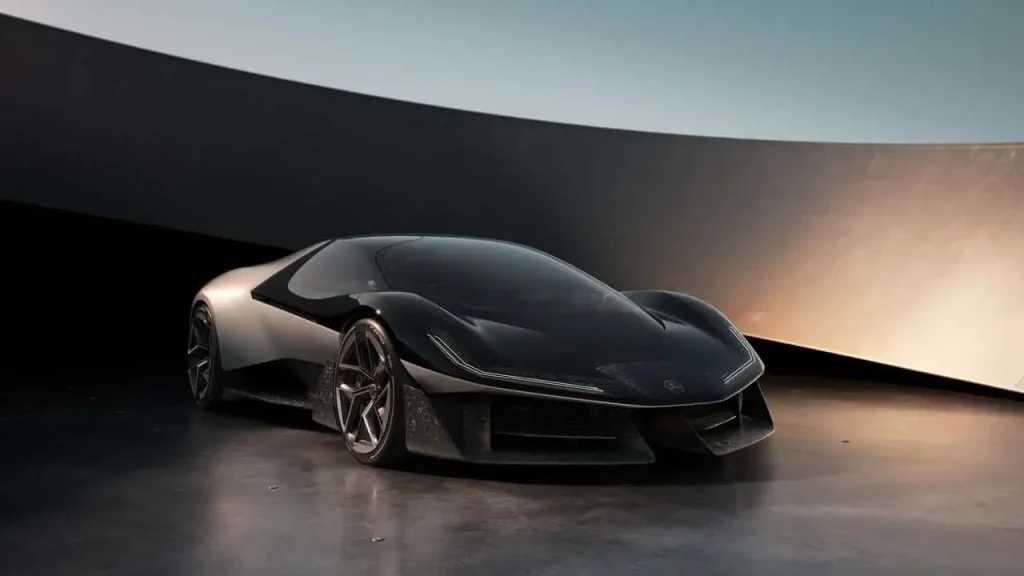
According to British outlet Autocar, the Type 135 lineup will not be limited to the 1,000-hp V8. The company is preparing a lighter and more affordable variant with a hybrid 3.0-liter twin-turbo V6.
The base gasoline engine in this setup develops 536 hp, revs to 8,000 rpm, and weighs just 160 kg, providing the coupe with optimal weight distribution across the axles.
All-Wheel Drive with Rear-Wheel Drive Dynamics
According to Auto Express, the supercar will feature an all-wheel-drive system with dynamic torque vectoring, where front-axle electric motors assist during hard acceleration while electronics route most torque to the rear wheels in corners (similar to the setup in the Lamborghini Temerario). The active chassis will also feature adaptive dampers and active anti-roll bars.
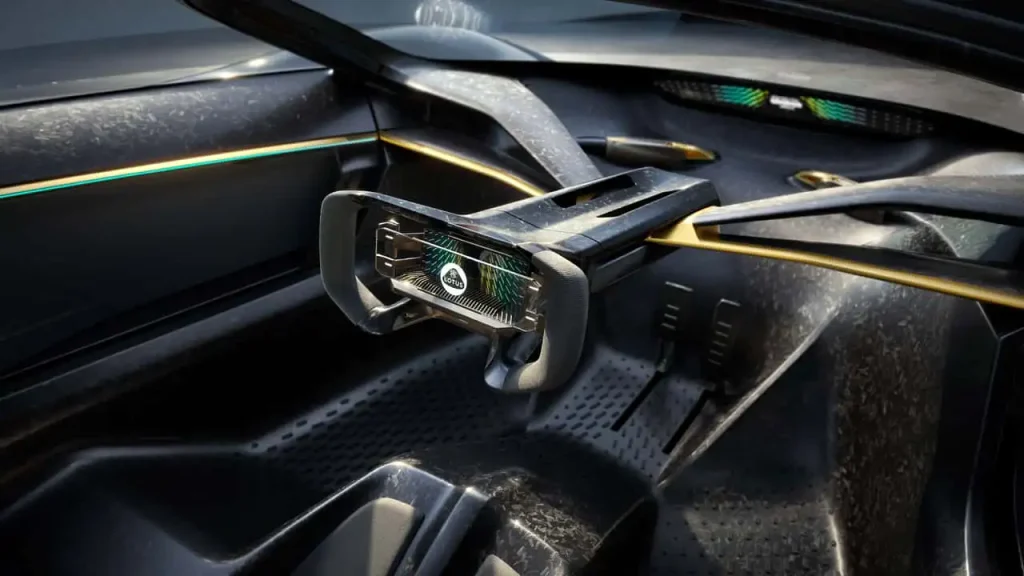
The design will heavily draw from the Theory 1 concept car, featuring slim LED lighting, a massive aerodynamic diffuser, and central dual exhaust tips at the rear.
The official world premiere and start of production for the Lotus Type 135 are scheduled for 2028 at the brand’s historic factory in Hethel, UK.