










Meta Developing Camera-Free Smart Glasses: Why the Tech Giant Is Ditching Lenses
 ·
16.09.2026 15:34
·
2 min read
·
16.09.2026 15:34
·
2 min read
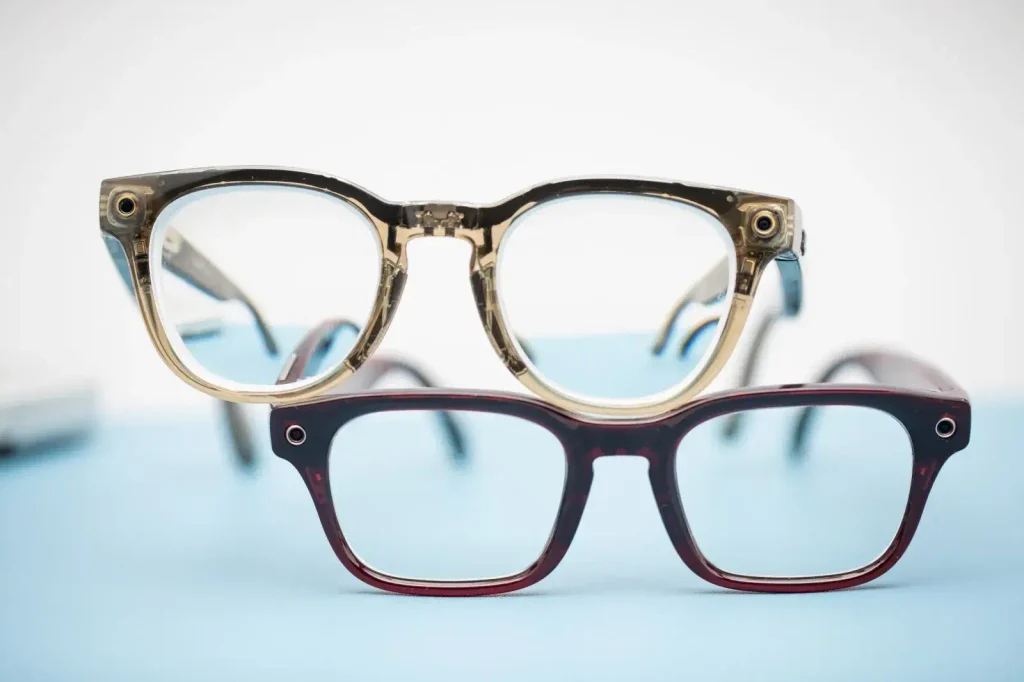
Meta is planning to release a new model of smart glasses that completely dispenses with a built-in camera. According to The Information, the device is being developed under the internal codename Luna. The gadget targets users who want a convenient interface for a voice assistant and music playback, but are deterred by privacy scandals. An official announcement is expected at the Meta Connect conference on September 23–24.
Focus on Audio and Classic Design
Ditching the bulky optical module allowed engineers to make the temples thinner and lighter. Externally, Luna will closely resemble conventional glasses; according to insiders, buyers will initially be offered frames in the recognizable Clubmaster and Burbank styles.
In place of a camera, the gadget will feature a six-microphone array, open-ear directional speakers, and a dedicated physical button to summon Meta AI. Users will be able to interact with the company’s AI models on the go—including the recently introduced AI agent Muse—dictate messages, and receive voice prompts without pulling out their smartphone.
Reputational Risks and Addressing Covert Recording
Introducing a “camera-less” version is a logical step amid growing public backlash against optics in wearable tech. Current Ray-Ban Meta models frequently make headlines for privacy concerns: despite a bright built-in LED indicator signaling active recording, many owners covered or painted over the diode to film covertly in public spaces.
Reports like CBS News‘ segment on secretly recording unsuspecting bystanders forced Meta to take decisive action. Developers implemented a software algorithm that disables the sensor if the LED is obscured. According to Semafor, the company has already remotely disabled cameras on thousands of tampered smart glasses worldwide.
Releasing Luna neatly bypasses this issue: the lack of a lens automatically eliminates concerns about visual spying. This opens up access for the device to offices, gyms, locker rooms, and other restricted areas where wearing standard smart glasses raises red flags for security and bystanders.
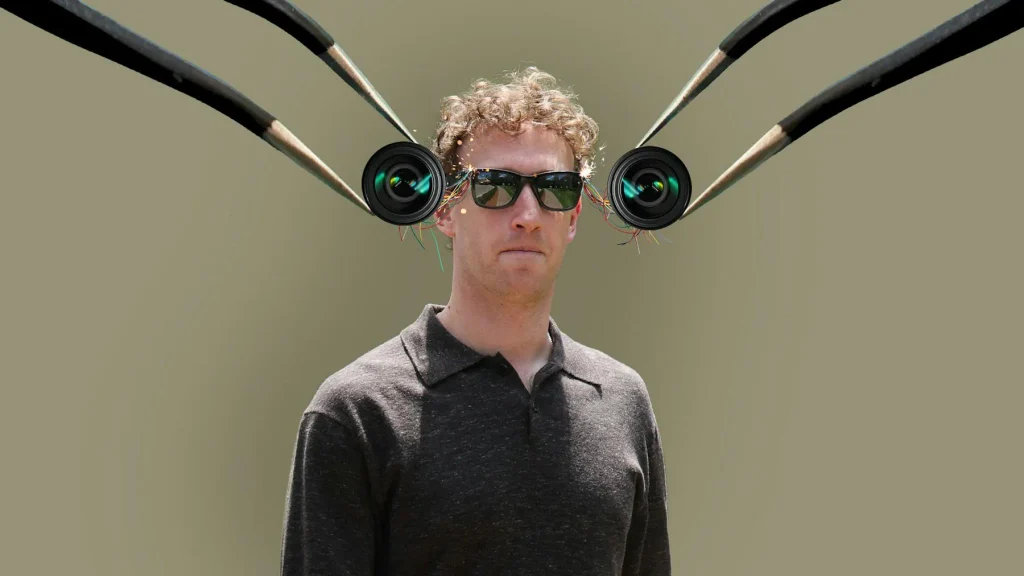
However, the new device cannot be called entirely privacy-safe. Always-on microphones still carry risks of unauthorized conversation recording, leaving questions about how Meta processes and stores voice data unresolved.
Mark Zuckerberg’s company is expected to announce pricing and exact release dates at the upcoming September event.