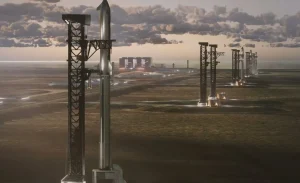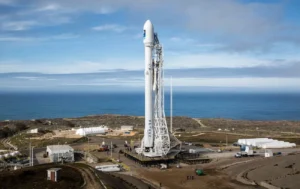










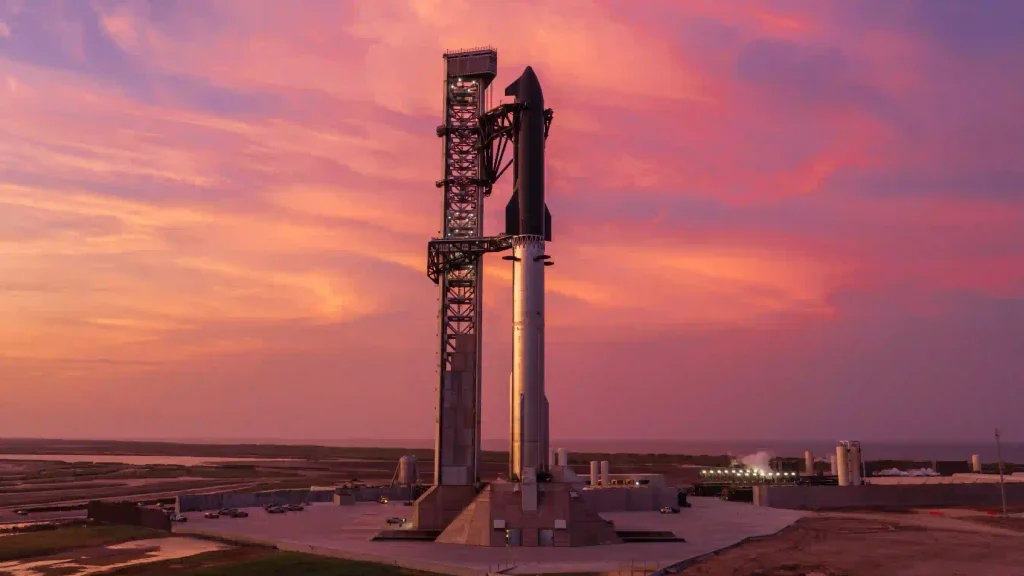
SpaceX has set September 22, 2026, for the 14th test flight of its Starship rocket system. The primary goal of the mission is to complete the first full orbital burn of the upper stage’s engines, reach Earth orbit, and deploy a payload. The launch will take place from the Starbase facility in Texas, pending final approval from aviation regulators.
The 75-minute launch window opens at 7:15 a.m. CT. According to the mission timeline on SpaceX’s website, the flight will last nearly 10 hours. The upper stage will ascend to an altitude of about 275 km, complete six orbits around Earth, and then deorbit for a splashdown in the Pacific Ocean west of Chile.
First Satellites and Strict Safety Protocol
Starship will carry 26 Starlink V3 satellites. Deployment will begin roughly 35 minutes after liftoff and take just over an hour.
Reaching orbit will not happen automatically. SpaceX built a strict fail-safe into the flight software: the orbital burn will proceed only if telemetry confirms all backup equipment is fully operational following liftoff. This is a precaution to prevent the 50-meter ship from becoming a massive piece of space junk that cannot safely deorbit if a critical failure occurs.
If all checks pass, after completing several orbits around the planet, Starship will perform a deorbit burn using a single Raptor engine, reenter the dense layers of the atmosphere, and execute a controlled splashdown.
No Booster Catch and Mission Significance
This time, the Super Heavy booster will not return to the launch pad to be caught by the launch tower’s mechanical arms. Instead, the booster will perform a soft water landing in the ocean. Engineers will use the flight to test hardware and software upgrades introduced after the previous launch.
The 14th flight marks a major milestone for the Starship program. Previous successful tests, including Flight 13 in July, followed suborbital trajectories. Completing orbits around Earth and deploying payload will demonstrate that the system is ready to transition from test hops to full commercial payload delivery to space.