







Not Just a Chatbot: Microsoft Is Turning Windows Into an OS for Autonomous AI Agents
 ·
09.10.2026 19:38
·
3 min read
·
09.10.2026 19:38
·
3 min read
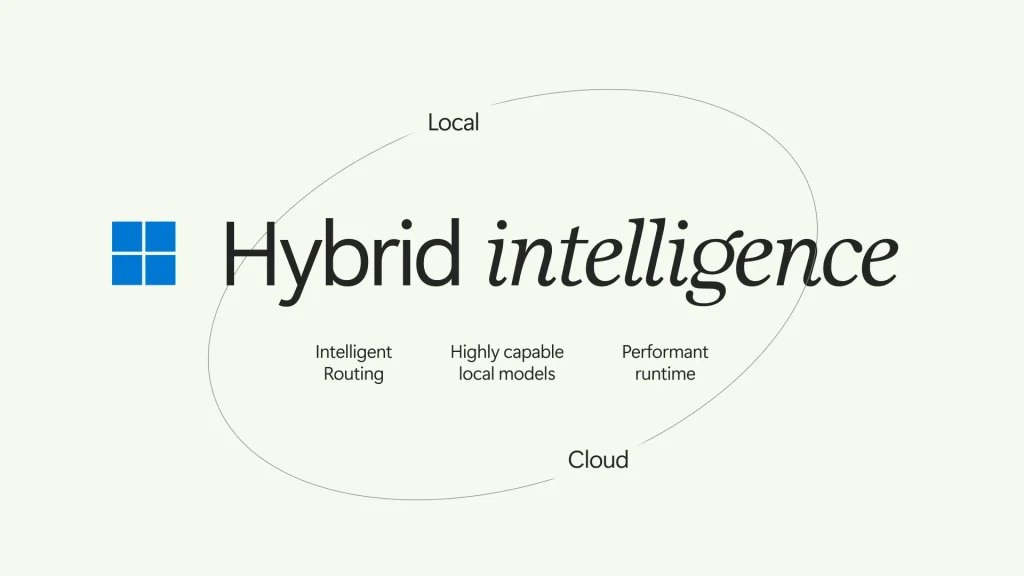
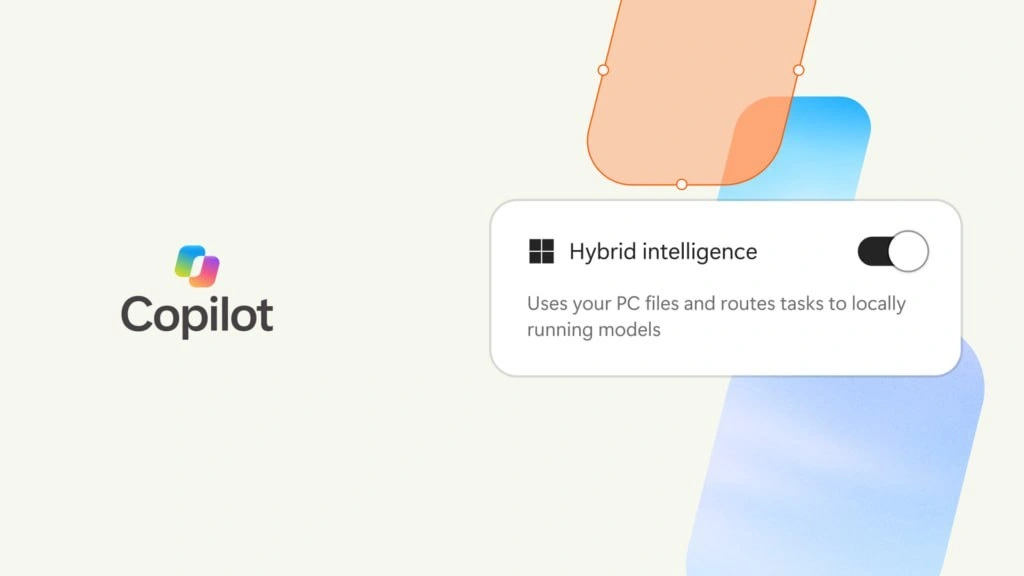
Microsoft has unveiled a sweeping vision for the future of its operating system called Hybrid Intelligence. The announcement marks a fundamental shift in the philosophy behind Windows: instead of a classic platform for launching programs by hand, it is being turned into a workspace where artificial intelligence acts as an independent executor of complex tasks — from sorting documents and diagnosing system errors to writing code and automating routine work.
According to the announcement on the official Windows Experience blog, the updated Copilot assistant is moving from generating text to taking direct action inside the system. With the user’s permission, the AI will be able to analyze local context — reading the contents of open files and the history of recent actions — to understand the current task without being prompted.
The developers are also introducing a background Autopilot mode: the user only needs to set a high-level goal (for example, preparing a report based on a dozen scattered spreadsheets), after which the digital agent will carry out the entire chain of operations on its own. The computing follows a hybrid principle: basic operations are handled by a local NPU chip or graphics card, while heavy requests are dynamically routed to Microsoft’s server capacity.
Isolated MXC Containers: Protection From Uncontrolled AI
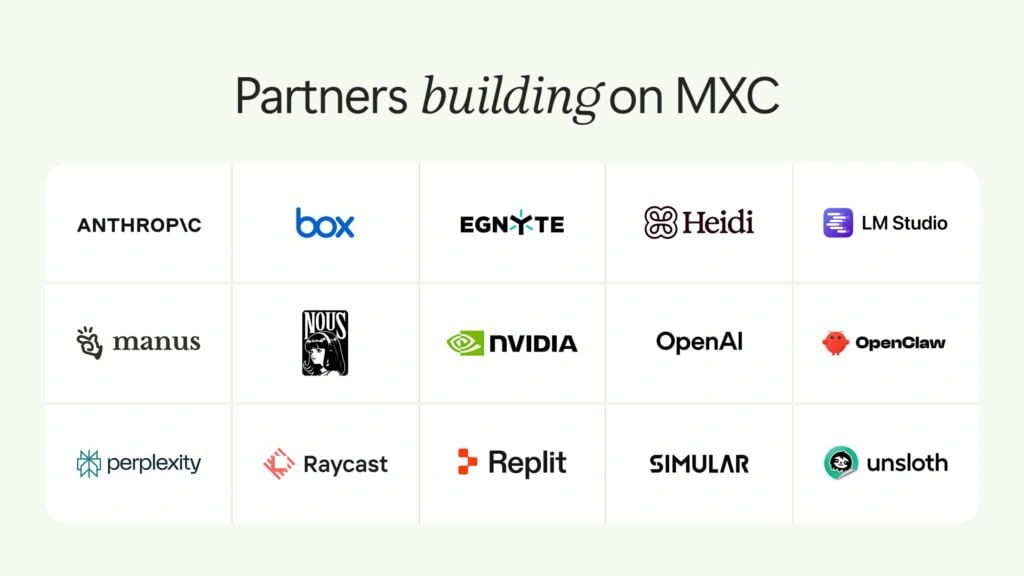
Giving neural networks direct access to the file system carries enormous privacy and security risks. Mindful of the harsh criticism of early tracking algorithms like Recall, the company has built its architecture around Microsoft Execution Containers (MXC) technology, as reported on the Windows Developer blog.
The technology has already been made a generally available component of Windows 11. It forcibly isolates autonomous AI agents in virtual sandboxes, strictly limiting their access to network protocols, the system registry and user folders.
The platform is open to third-party solutions: OpenAI Codex, GitHub Copilot, the Replit development environment and the local LM Studio client already run inside the secure MXC perimeter, and Claude Code, Perplexity and Manus will gain container support soon.
Search Becomes a Command Line
Windows’ standard search has undergone a major overhaul in parallel, The Verge reports. From a simple catalog of shortcuts and files, the search bar is becoming a command center with thousands of quick actions: you can use it to switch system themes directly, rearrange windows across multiple monitors, send messages or adjust power settings.
For local-computing enthusiasts, Microsoft has added native support for the llama.cpp library and the GitHub HydraFusion framework to the Windows ML stack, which will let enthusiasts run open lightweight models directly on the CPU without a network connection.
The new concept has no single release date. The features will begin rolling out in the coming months exclusively to owners of Copilot+ PC devices, and the scale of the changes will depend on the power of the specific hardware and regional data protection laws. The corporation promises to reveal the full roadmap for deploying autonomous agents at the Microsoft Ignite conference in November 2026.