









Surgeons Perform World’s First Real-Time AI-Guided Brain Operation in London to Save Patient’s Sight
 ·
27.08.2026 21:28
·
2 min read
·
27.08.2026 21:28
·
2 min read
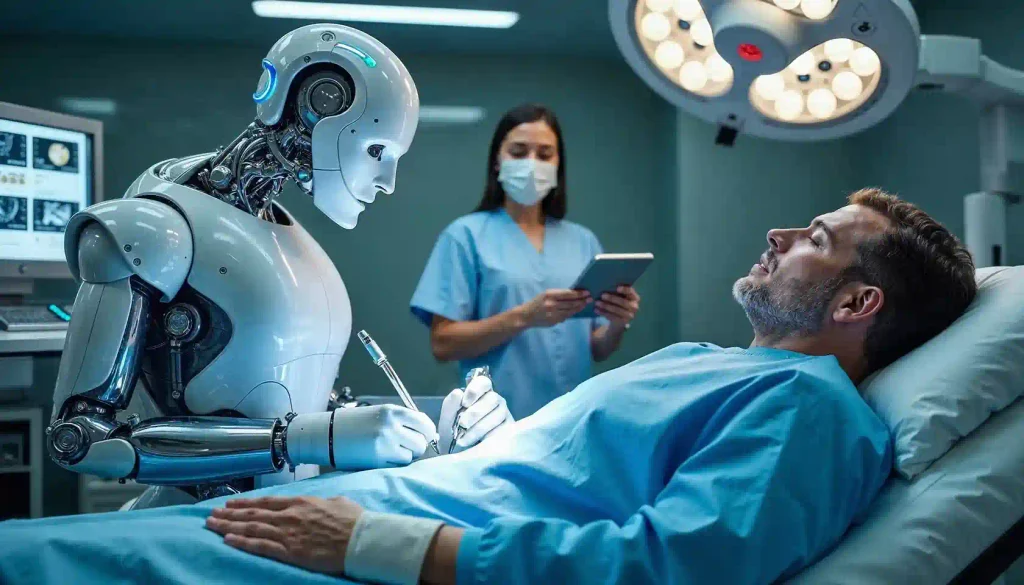
Neurosurgeons at University College London Hospitals (UCLH) have used artificial intelligence in real time during brain tumor surgery for the first time in history. Powered by the Nvidia Clara IGX platform, the system analyzed a live video stream from an endoscope, highlighting blood vessels and nerves in an area where a deviation of just one millimeter could cause blindness or a stroke.
Doctors announced the results of the groundbreaking procedure following the patient’s recovery period.
Pituitary Tumor and Threat of Sight Loss
The patient was Rhys Hibbert, a 48-year-old UK resident diagnosed with an 11mm pituitary tumor. The growth was compressing his optic nerves, causing rapid loss of peripheral vision and forcing him to use a walking stick.
According to the University College London (UCL) press office, surgery at the base of the skull carries extreme risks: the carotid arteries, optic chiasm, and pituitary tissue sit right next to each other.
A “Second Pair of Eyes” for the Surgeon and Nvidia’s Platform
The AI model did not control the scalpel or make independent decisions, acting instead as a smart assistant. The software, developed by team members at the UCL Hawkes Institute, identified anatomical landmarks and dynamically overlaid color-coded markings onto the surgeon’s monitor, highlighting areas off-limits for incisions.
The algorithm was trained on recordings of hundreds of endoscopic operations, learning to accurately identify tissue types and the position of microsurgical instruments.
As reported by TechSpot, video signal processing occurred with zero lag thanks to an Nvidia Clara IGX medical AI server calculating trajectories right inside the operating room.
Surgical Outcomes and the Future of the Technology
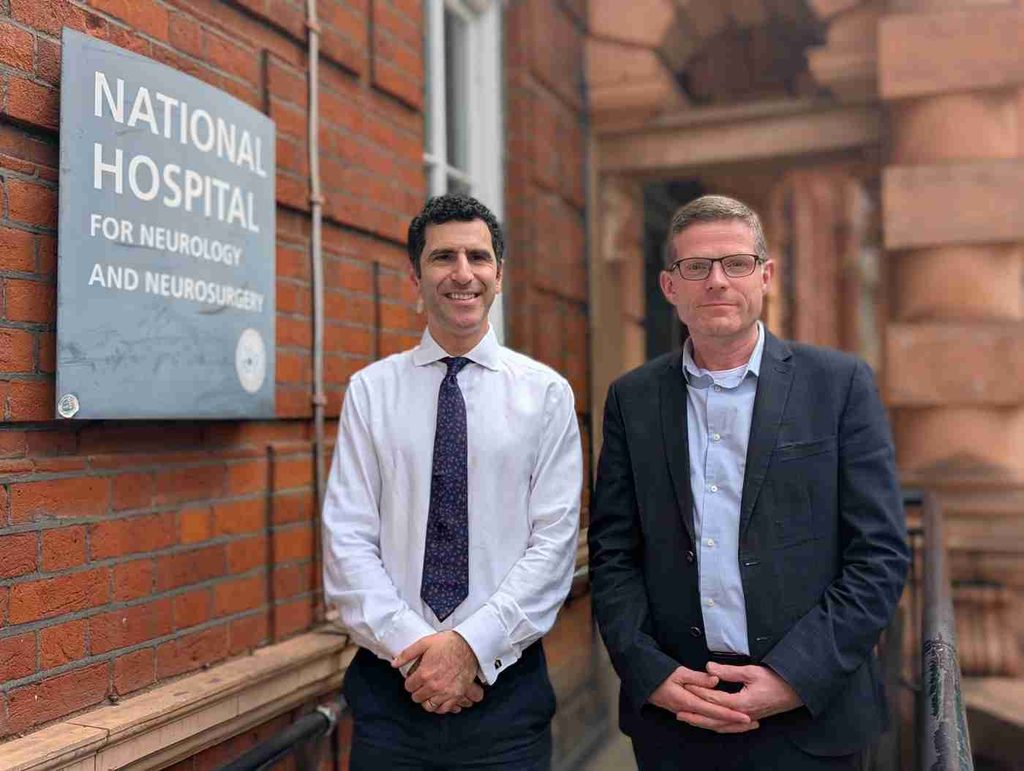
Surgeons successfully removed the entire tumor without damaging the optic tracts. Just one week after being discharged from the London hospital, the patient’s vision was fully restored, allowing him to stop using glasses and return to work.
The project is funded by the UK’s NIHR and Google. The team plans to scale clinical trials to other hospitals to turn intraoperative AI analysis into a standard for high-precision neurosurgery.