









Unitree IPO sparks buzz: Chinese humanoid robot maker valued at approximately $9 billion
 ·
11.08.2026 23:09
·
3 min read
·
11.08.2026 23:09
·
3 min read
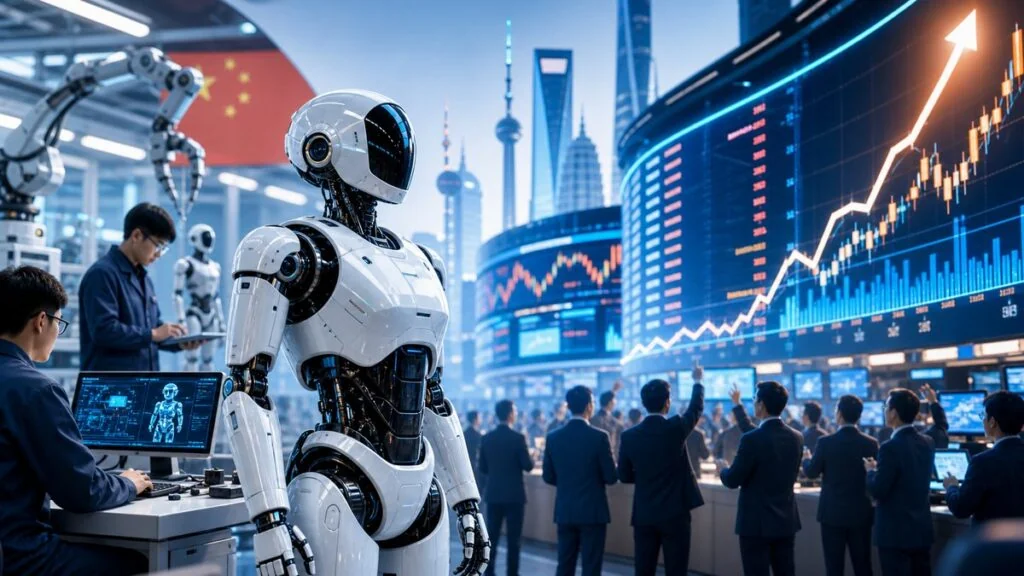
Chinese company Unitree Robotics, known for its robot dogs and humanoid robots, has become the center of a stock market frenzy. According to MarketWatch and Financial Times, the listing on the Shanghai STAR Market is expected to raise approximately $900 million for the company, with Unitree’s valuation sitting at around $9 billion.
Interest in the IPO has been immense: media reports indicate that retail demand has significantly exceeded the available supply of shares. For the Chinese tech market, this is a major signal: investors are increasingly betting on companies capable of transforming humanoid robots from flashy demonstrations into mass-market products.
Why there is so much interest in Unitree
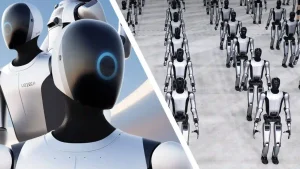
Unitree gained recognition through its quadrupedal Go and B-series robots, later shifting focus to its H1 and G1 humanoid models. On its official website, Unitree lists the G1 starting at $13,500, making it a relatively accessible platform for developers, laboratories, and companies testing use cases for humanoid robots.
Against this backdrop, Unitree finds itself at the intersection of several trends: the development of AI models for robot control, rising demand for automation, and the drive by Chinese manufacturers to secure a position in the new hardware race before the market is fully consolidated by major players.
China bets on humanoids
The race isn’t just about Unitree. Other humanoid robot manufacturers are actively developing in China, including companies working on industrial, service, and research platforms. For the local market, this is no longer just about impressive trade show demos, but an attempt to build a complete supply chain: from hardware and actuators to AI software and mass production.
- Unitree is betting on relatively affordable models and brand recognition;
- Embodied AI startups are attracting venture capital and preparing for the public market;
- Major tech companies are developing software and computing infrastructure for robots;
- Manufacturing hubs are looking for ways to deploy robots where flexible automation is lacking.
What this means for the market
If Unitree’s public debut is successful, it could serve as a key signal for the entire sector: investors will see that humanoid robots are moving beyond niche laboratory experiments. However, the main question remains practical utility: the market needs more than just a polished video of a robot; it needs clear use cases where these machines save money and operate reliably.
While the industry is still in its early stages, interest is already being compared to the initial waves of electric vehicles and drones. In Unitree’s case, the intrigue lies in whether the company can maintain a balance between affordable pricing, real-world shipments, and rapid software development.
In August, the company also unveiled its new humanoid robot, Unitree Superman, capable of reaching speeds of approximately 45.6 km/h and performing a two-meter standing jump.