







A $1,688 Home Robot Assistant: Nori Robotics Unveils an Affordable Two-Armed Companion
 ·
21.08.2026 08:50
·
3 min read
·
21.08.2026 08:50
·
3 min read
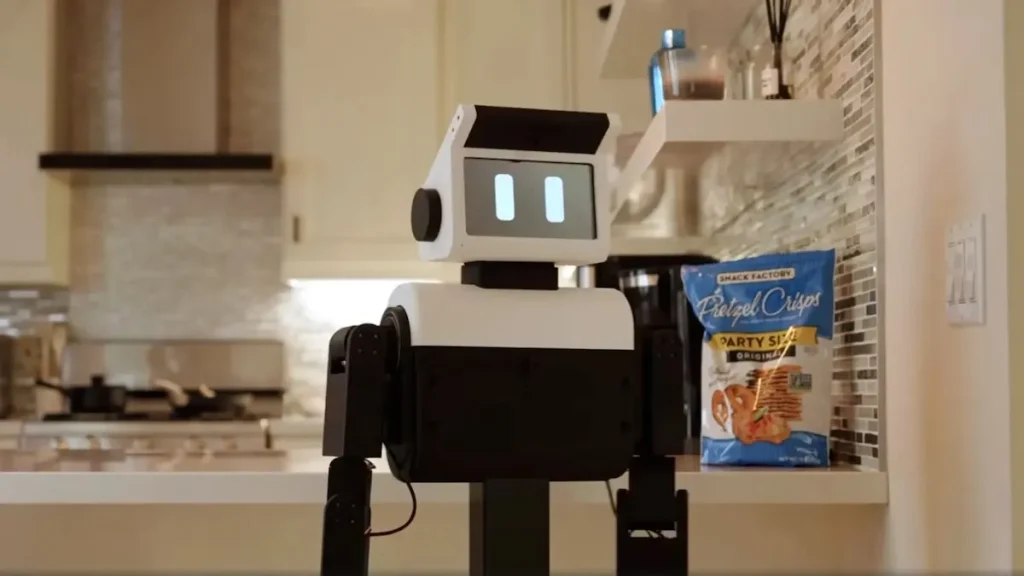
Startup Nori Robotics has opened pre-orders for the Nori A3, a compact home robot priced at $1,688. Compared to most service and humanoid platforms that cost tens of thousands of dollars, the new device is positioned as the first truly affordable consumer robot butler.
According to the official Nori Robotics website, the device can handle basic household tasks: fetching food and drinks from the fridge, folding laundry, tidying up scattered items, and loading dishes into the dishwasher. First shipments are scheduled for fall 2026.
Wheeled Base, Manipulators, and Sensors
To drastically cut costs, the engineers ditched a complex walking design in favor of a stable wheeled platform.
According to the Nori Docs technical documentation, the hardware includes:
- Two manipulators: arms with 7+1 degrees of freedom (DoF) each can handle a payload of up to 1.5 kg per limb;
- Navigation system: a 12-meter lidar for mapping rooms and avoiding obstacles;
- Vision: four 720p RGB cameras mounted on the head, neck, and directly on the working grippers;
- Battery life: the built-in battery provides 6 to 8 hours of operation on a single charge.
You control the robot by voice via the built-in microphone array and speaker, or through the Nori Lab mobile app.
A $1688 Home Humanoid Assistant
— CyberRobo (@CyberRobooo) August 19, 2026
Nori Robotics just dropped adorable Nori A3, looks friendlier than L3–taller reach, softer face…
Meant for everyday tasks–make coffee, tidy the house, cook… You train it yourself at home and can share the skills. Software runs on a laptop.… https://t.co/jRqwDccvC9 pic.twitter.com/Aga81xAe9C
Skills Marketplace and Open SDK
The key feature of Nori’s software platform is a modular training system. Users can record their own motion sequences and household routines, then share them through the Skills Marketplace catalog. This will let owners download ready-made behavior profiles, such as instructions for properly sorting laundry or setting the table.
For developers, there’s an open SDK: the platform supports streaming telemetry and video over WebRTC, as well as direct remote control of the robot through a browser.
That said, until independent tests come in, it’s wise to view the Nori A3’s capabilities with cautious optimism: the 1.5 kg payload limits the range of heavy tasks, and the stability of navigation and manipulation in non-standardized home environments has yet to be proven in practice.