







Cinemas Move to Ban Ray-Ban Meta Over Piracy Fears
 ·
21.08.2026 13:42
·
2 min read
·
21.08.2026 13:42
·
2 min read
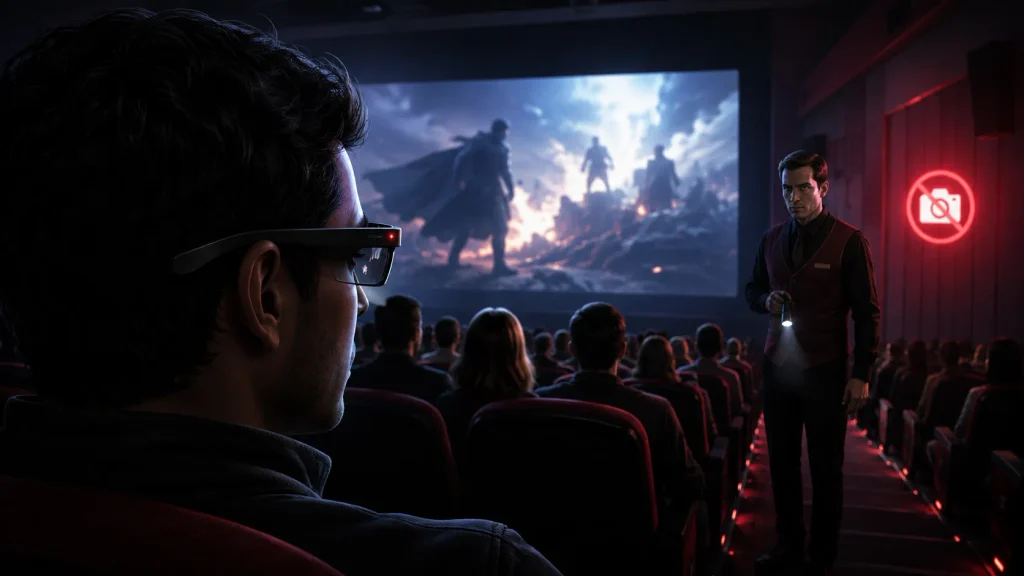
The UK Cinema Association, which represents over 90% of the country’s cinemas, has started reviewing its rules for movie screenings due to the popularity of smart glasses with built-in cameras. As Reuters reports, chains are considering introducing partial or complete bans on wearing such devices during screenings.
The main concern for distributors is piracy. While a smartphone user is easy to spot by raised hands and a glowing screen, glasses frames allow for covert recording of premiere films right from the viewer’s face.
Meta’s Protective Mechanisms and the Film Industry’s Suspicions
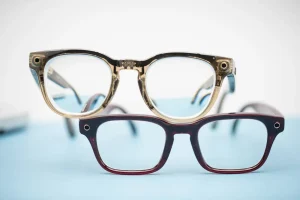
Ray-Ban Meta glasses are nearly indistinguishable from standard optical or sunglasses models. To protect the privacy of those around, Meta equipped the device with an LED indicator that lights up during photo and video capture. According to Meta’s statements, current generations of the glasses have built-in hardware blocking: if sensors detect that the LED is covered or damaged, the camera automatically turns off.
Nevertheless, the film industry remains wary. According to estimates from industry content protection bodies, illegal recordings from auditoriums (“cams”) have historically been the primary source of leaks for most new releases before their official digital release.
Wave of Bans and the Problem of Accessibility
As The Guardian notes, cinemas are not the first to impose restrictions on wearable cameras. Earlier, the use of Ray-Ban Meta glasses was already banned in court buildings in England and Wales, as well as in several restaurant chains and theaters for privacy reasons.
At the same time, the UK Cinema Association acknowledges the difficulty of a total ban: smart glasses are increasingly used as assistive devices. For example, the association itself supports the development of special WatchWord glasses that display individual subtitles for hearing-impaired viewers.
British cinema chains plan to finalize the specific rules and methods for checking viewers at the entrance to auditoriums individually in the near future.