









Robots Could Replace Humans in All Physical Jobs Within 2–5 Years, NEURA Robotics CEO Says
 ·
22.08.2026 23:17
·
2 min read
·
22.08.2026 23:17
·
2 min read
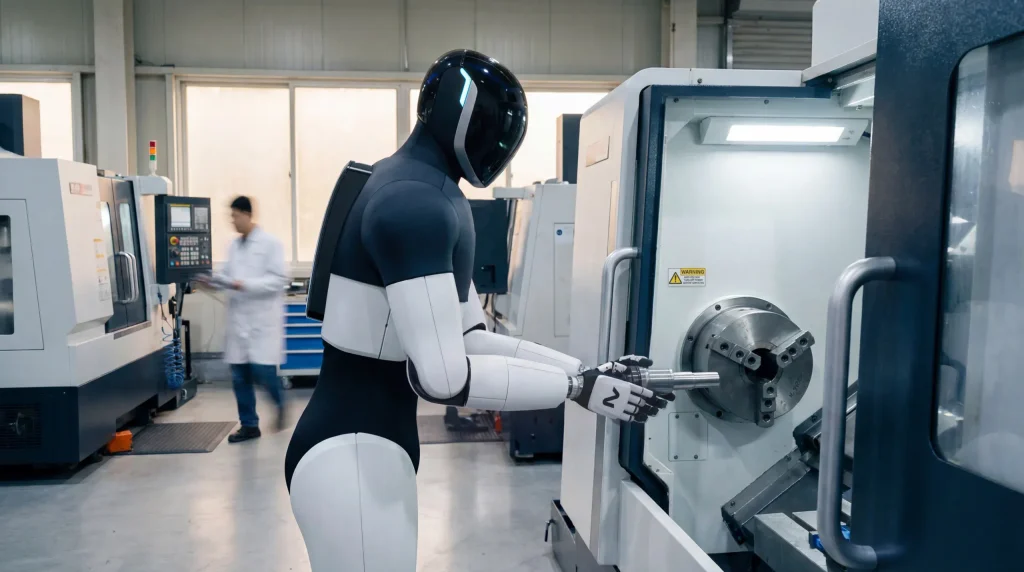
The robotics and “physical AI” industry is on the brink of a historic shift. As David Reger, founder and CEO of German company NEURA Robotics, told Tom’s Guide, within the next two to five years, cognitive robots will have the technical capability to perform virtually any physical task that humans can.
The main driver won’t just be the desire to cut costs, but a catastrophic labor shortage. According to a McKinsey analysis, due to aging populations, Europe, China, and Japan will collectively lose about 100 million working-age workers over five years.
The 4NE1 Humanoid and NEURA Gyms Training Network
The German startup’s flagship product is the full-size humanoid robot 4NE1 Gen 3.5. It stands 180 cm tall, weighs 80 kg, and features arms with fine manipulators, sensitive artificial skin, 360-degree machine vision, and support for ROS 2, Python, and C++ frameworks.
Commercial versions of the robot will start shipping by the end of the year, priced at around €98,000 per unit (about €60,000 for bulk orders).
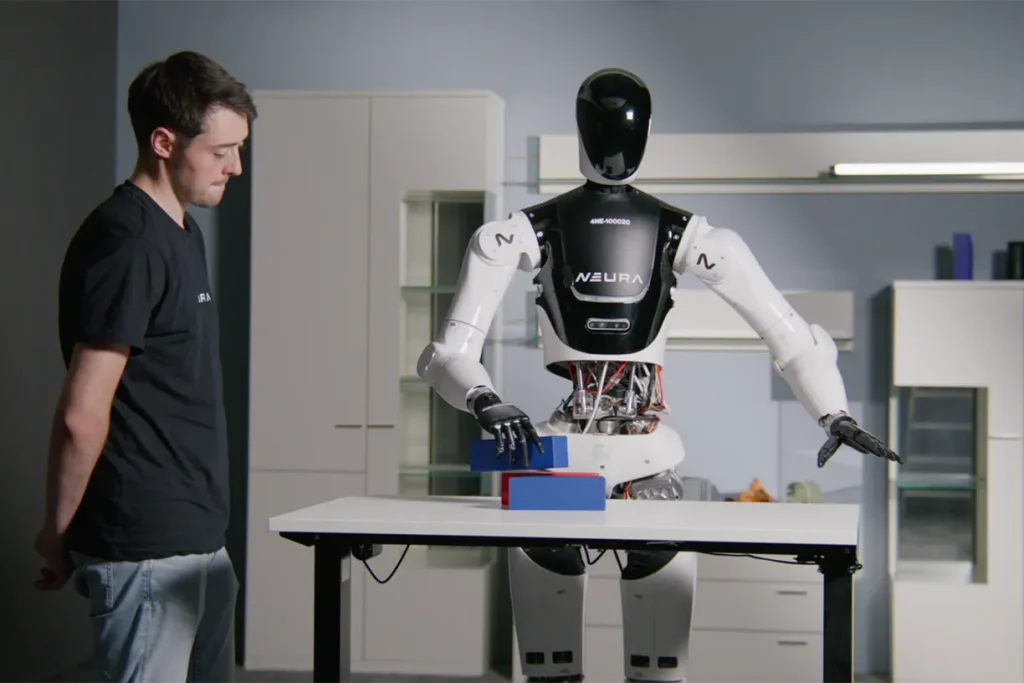
The company’s engineers are taking an ecosystem approach to robot training:
- Neuraverse platform: a unified cloud hub for sharing motor skills — if one robot learns a new manipulation with a complex tool, the skill file is instantly transmitted to all connected robots worldwide;
- NEURA Gyms: specialized training grounds for collecting real-world physical datasets. The company is opening a network of 10 training centers in the US, Europe, and China.
Record $1.4B Investment and a Goal of Millions of Machines
Tech giants’ confidence in the concept is backed by money. This summer, NEURA Robotics closed a record $1.4 billion Series C funding round, bringing in NVIDIA, Amazon, Qualcomm Technologies, Bosch, Schaeffler, and the European Investment Bank as investors.
According to the company, its confirmed pre-order backlog has already exceeded €1 billion. NEURA Robotics plans to scale up production lines and ship several million industrial and service cognitive robots to the global market by 2030.