








Testosterone and the Heart: Scientists Find U-Shaped Link Between Hormone Levels and Arrhythmia Risk
 ·
07.09.2026 18:03
·
2 min read
·
07.09.2026 18:03
·
2 min read
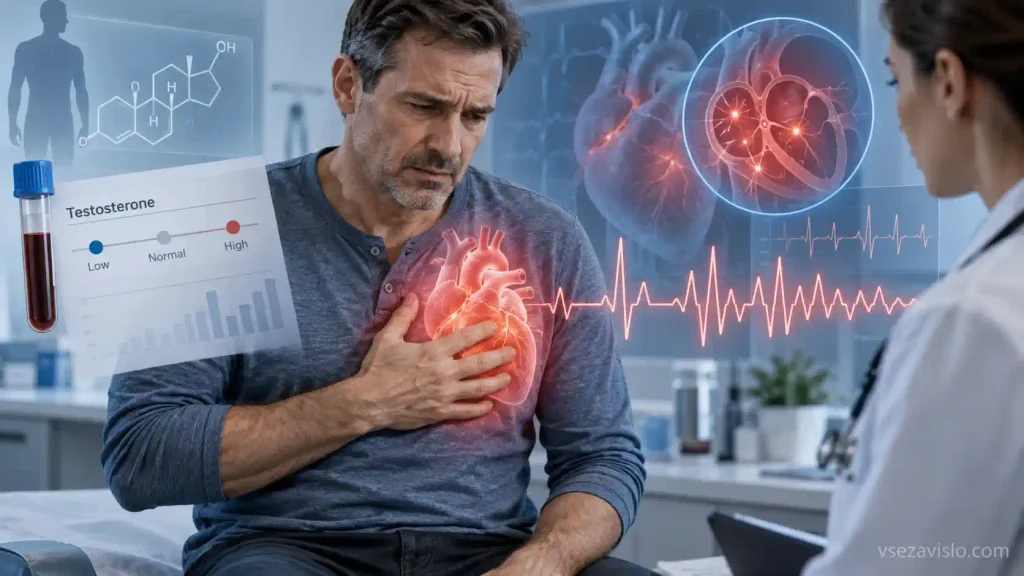
Deviations in male sex hormone levels from the physiological norm—whether too low or too high—are associated with an increased likelihood of developing atrial fibrillation (AFib). That’s the conclusion of a large-scale scientific review published in the Journal of the Endocrine Society.
A U-Shaped Curve and the Myth of Lethal Danger
On social media, the findings sparked a wave of sensational claims that high testosterone levels “kill the heart.” In reality, the study does not suggest that testosterone directly leads to death. Rather, it concerns the risk of developing atrial fibrillation, which, without timely treatment, increases the likelihood of blood clots and strokes.
After analyzing data from clinical trials and epidemiological studies, the authors found a classic U-shaped relationship:
- Marked testosterone deficiency is associated with a higher incidence of atrial fibrillation;
- Within the mid-range of physiological norms, risks to heart rhythm are minimal;
- As levels approach or exceed the upper limit, the likelihood of rhythm disturbances rises again.
As noted in a statement from the Endocrine Society, these findings are particularly relevant given the growing popularity of anti-aging clinics and sports supplements.
Data from the TRAVERSE Trial and Safe Targets
The link was confirmed in an analysis of the large controlled TRAVERSE trial, which assessed the safety of testosterone therapy. Among men taking testosterone, atrial fibrillation was diagnosed in 3.5%, compared with 2.4% in the placebo group. The therapy did not increase the rate of severe heart attacks, but it clearly demonstrated the sensitivity of heart rhythm to elevated doses.
Based on the collected data, the review authors advise clinicians treating confirmed deficiency to aim for a moderate target of 350–550 ng/dL, rather than trying to artificially push blood hormone concentrations to the upper limit of normal.
Endocrinologists remind that a man’s health cannot be assessed by total testosterone alone: cardiovascular risk is influenced by body mass index, diabetes, blood pressure, the proportion of free hormone, and levels of SHBG. The review serves as a caution against using androgens without medical supervision for the sake of physical fitness, without regular ECG monitoring.