









Yellow Patches Around Eyes Linked to Increased Heart Attack and Stroke Risk
 ·
07.09.2026 22:11
·
2 min read
·
07.09.2026 22:11
·
2 min read
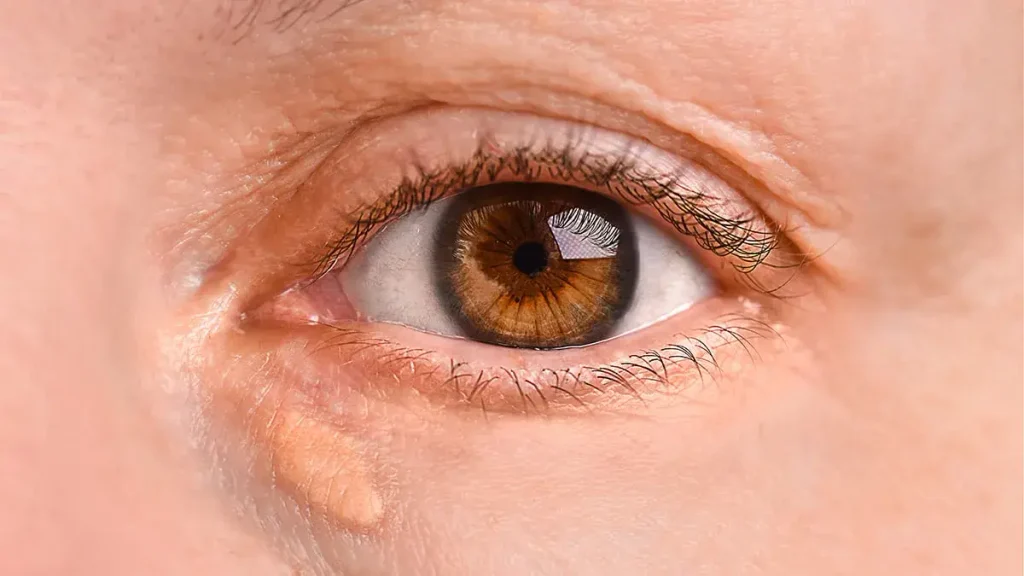
Yellowish fatty deposits on the eyelids, known in dermatology as xanthelasma, are more than just a harmless cosmetic concern. A study by Stanford University researchers shows that these patches are linked to a threefold increase in the risk of myocardial infarction, stroke, and transient ischemic attacks within the first year after detection. The findings were published in the medical journal Atherosclerosis.
Threefold Risk in the First Year and Ten-Year Trends
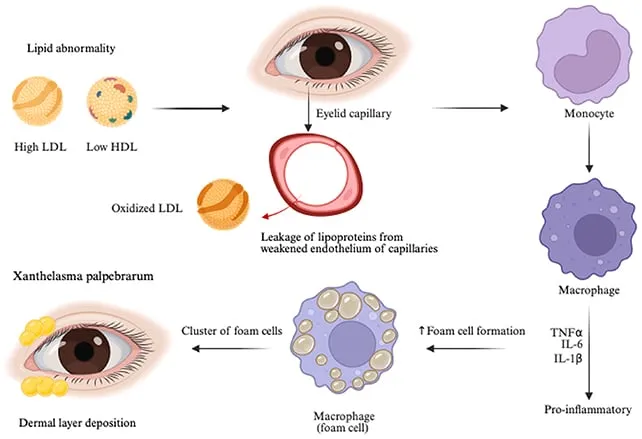
Xanthelasma consists of soft deposits of cholesterol and triglycerides in the upper layers of the skin around the eyes. While they do not cause inflammation or pain on their own, doctors have long linked them to systemic lipid metabolism disorders.
To assess the link between skin changes and circulatory disorders, researchers analyzed the electronic health records of 17,925 patients with xanthelasma and compared them to an equal control group without the patches. Patients who experienced a heart attack or stroke prior to the discovery of eyelid patches were excluded from the sample.
Within the first twelve months alone, the statistics revealed a clear gap:
- Myocardial infarction was diagnosed in 1.0% of patients with xanthelasma compared to 0.35% in the control group;
- Ischemic stroke occurred in 0.95% compared to 0.30%;
- Transient ischemic attacks (mini-strokes) were recorded in 0.60% compared to 0.19%.
The gap persisted over a ten-year timeline: by the end of the follow-up period, 3.13% of people with xanthelasma had experienced a heart attack compared to 1.73% in the control group, and 3.00% had suffered a stroke compared to 1.53%. All-cause mortality did not significantly differ between the two cohorts.
A Warning Sign Even With Normal Cholesterol
The key finding was that increased vascular vulnerability was present even in individuals whose routine blood tests showed no abnormally high lipid levels. According to the summary in PubMed, xanthelasma can serve as an independent visual biomarker for early systemic atherosclerosis.
As noted by ScienceAlert, the study is observational: the eyelid patches themselves do not cause vascular blockages, but rather signal that cholesterol is already depositing in body tissues.
Spotting yellow patches around the eyes is no reason to panic, but it should prompt a routine visit to a cardiologist to check vascular elasticity, monitor blood pressure, and assess hidden cardiovascular risks.