









Pixel design, Google AI and a Twingo base: Nissan unveils the Pixo compact EV
 ·
24.09.2026 18:47
·
3 min read
·
24.09.2026 18:47
·
3 min read
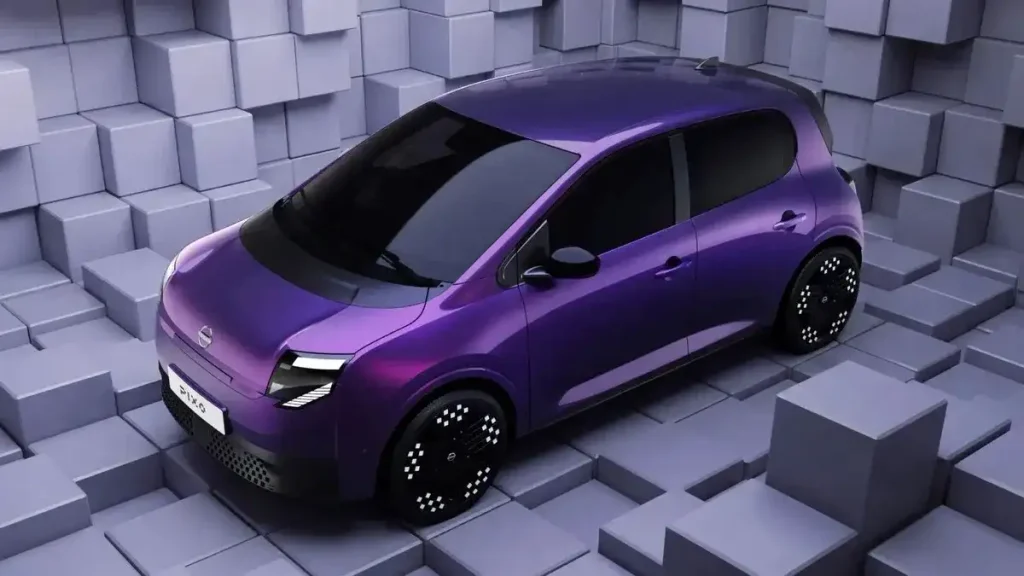
Nissan has officially announced the return of the Pixo name to the European market. In the 2000s it was a budget hatchback based on a Suzuki, but now it is a stylish, fully electric A-segment city car. The new model was developed in close partnership with Renault and technically shares its platform with the upcoming Renault Twingo E-Tech. For European buyers, the launch of the Pixo means a new player in the segment of affordable, nimble EVs designed specifically for tight city streets.
Pixels, easter eggs and an angular style
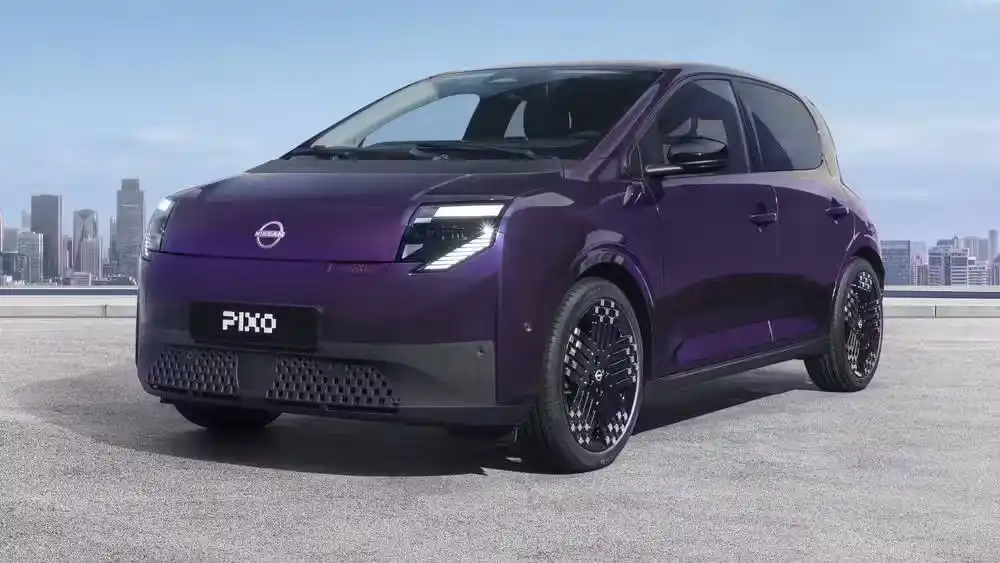

The new Nissan Pixo’s main visual signature is its “pixel” aesthetic. Square light elements are built into the front and rear lights and also define the pattern of the 18-inch alloy wheels. As Top Gear notes, the Japanese designers tried to give the compact a bolder, more angular look to distance it from the soft retro silhouette of its French platform-mate, the Twingo.
There are also hidden details for attentive fans of the brand: a symbolic “robot face” is tucked into the relief of the front bumper, and 23 graphic easter eggs are scattered across the body and interior. The number is no accident — in Japanese, the words for “two” and “three” sound like “Ni-San.”
Range and record-breaking capacity
Under the hood, the city car has a 60 kW electric motor (about 82 hp) powered by a 27.5 kWh lithium iron phosphate (LFP) battery. It is Nissan’s first model in Europe to get this type of battery. According to the brand’s official press release, the car can travel up to 259 kilometers on a single charge on the WLTP cycle — more than enough for daily driving around a major city.
Charging from 15% to 80% takes about 28 minutes thanks to support for 50 kW DC fast chargers. There is also a built-in inverter for 11 kW AC home charging.
Despite its modest length of under 3.8 meters and a turning radius of just 9.9 meters, the engineers made the most of the cabin layout. The car seats four, and the split rear seats can slide freely forward and back. That allows the trunk to expand to 356 liters — impressive for this class — and with the second row folded, the figure rises to 1,221 liters.
Onboard AI and launch timing
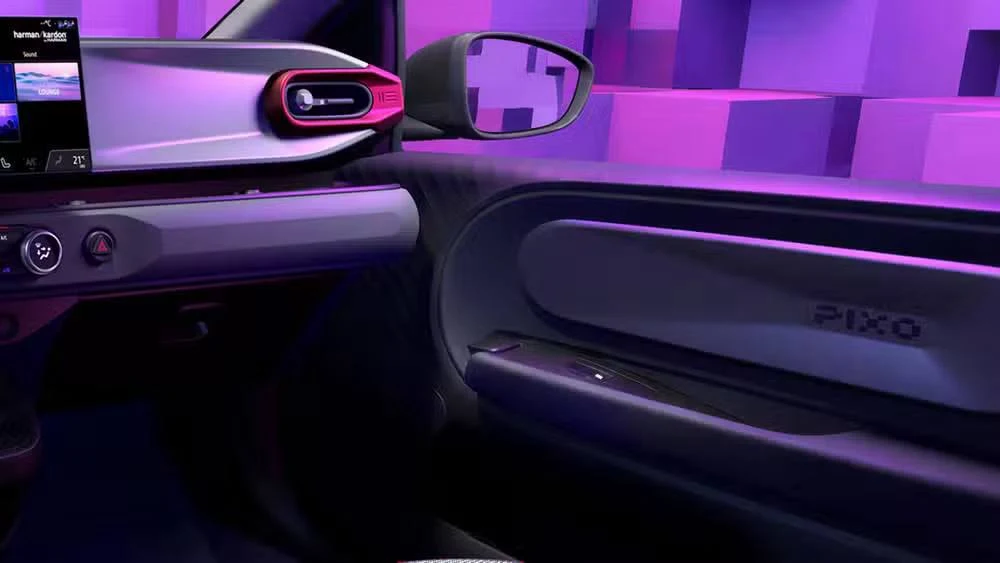
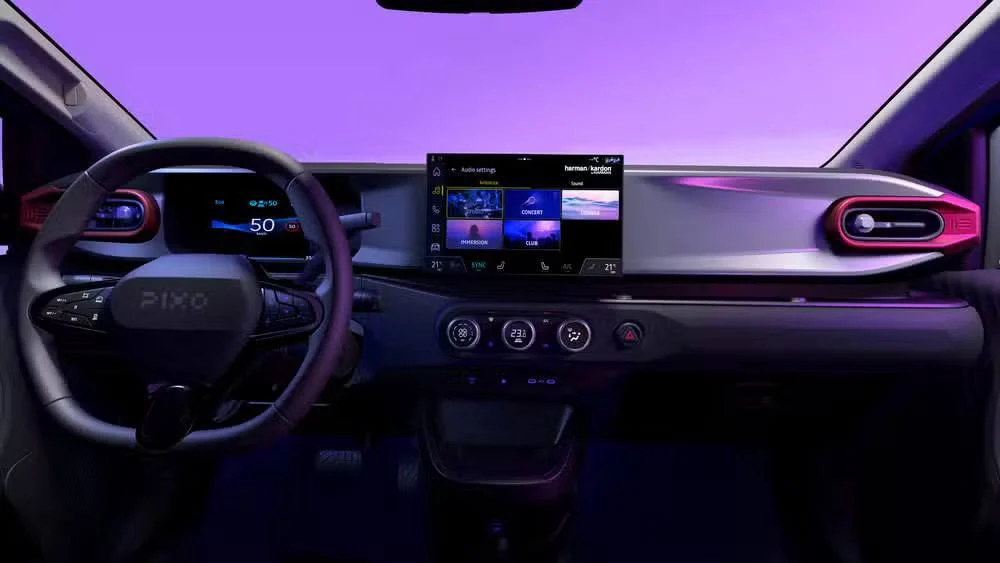
The Pixo’s interior features modern digital technology. The infotainment system runs on the Google built-in platform with deep integration of the Gemini AI assistant, enabling advanced voice control and precise navigation. Drivers also get one-pedal acceleration and braking (the company’s e-Pedal system) and a suite of driver assistance features that includes lane keeping and automatic emergency braking.
The EV will be assembled at Renault’s plant in the Slovenian city of Novo Mesto. Nissan promised to reveal detailed pricing and trim options in December 2026, and the first European customers will get their cars in early 2027.