








China Develops a 3-Gram Brain Interface: The Sensor Hides in Your Hair and Works Wirelessly
 ·
04.10.2026 18:50
·
3 min read
·
04.10.2026 18:50
·
3 min read
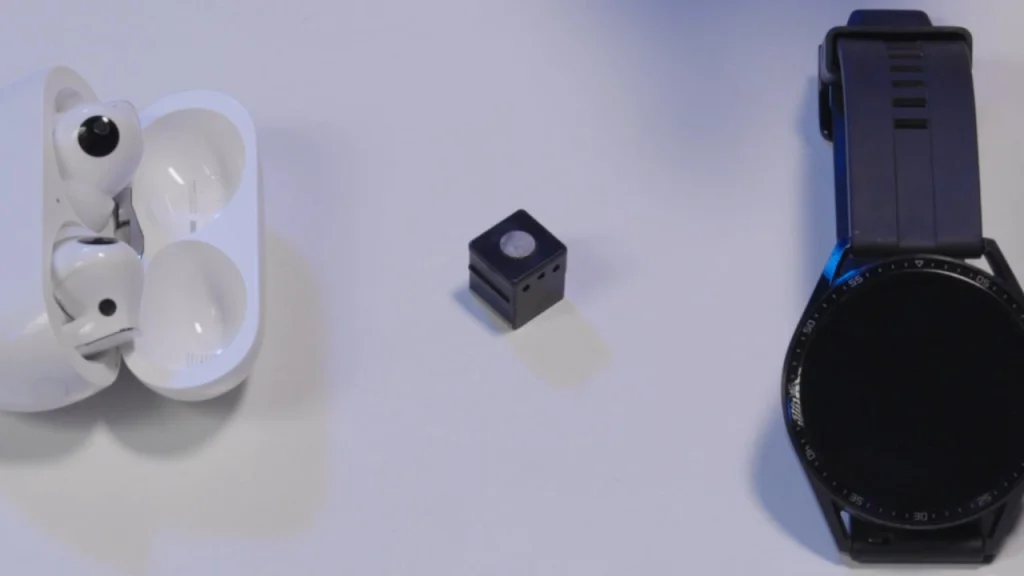
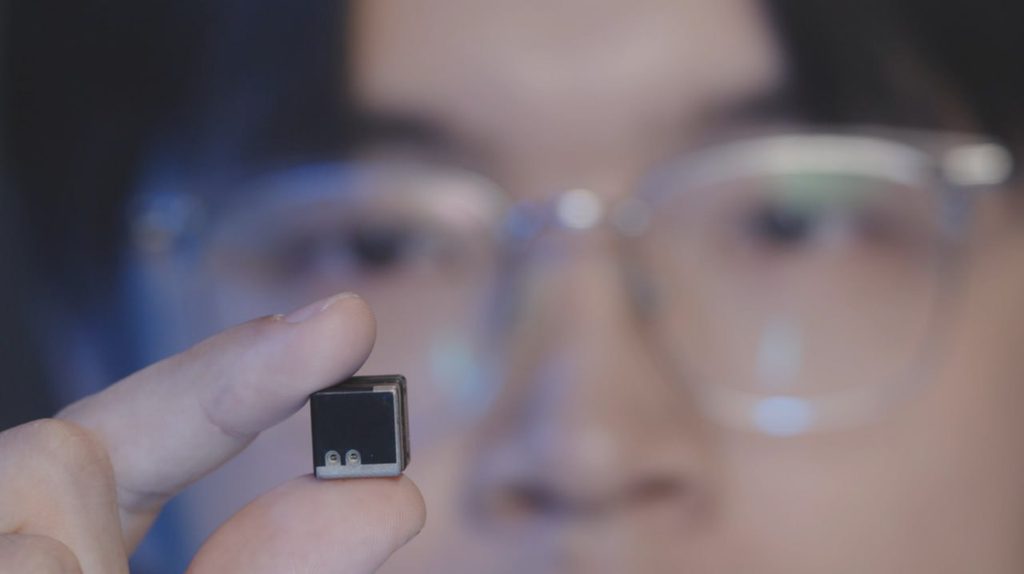
Researchers at Tianjin University, working with the company Shengong Diting, have developed a miniature non-invasive brain-computer interface called Shengong·Xumi·Brain Cube. The module weighs just 3 grams, takes up about 2 cubic centimeters, and records the brain’s electrical activity directly on the scalp, with no wired caps or heavy medical headgear.
The project’s main engineering achievement is integrating all the necessary systems into a single micro-housing. The device packs in dry electroencephalography (EEG) electrodes, a processor for primary digital signal filtering, a wireless radio module and a miniature battery, according to the Tianjin University press service. It attaches to the head and easily hides in the hair, making data collection invisible to those around the wearer.
At a sampling rate of 1000 Hz, the built-in battery lasts 8–10 hours of continuous operation. According to ScienceNet, the hardware was designed to meet China’s GB 9706.226-2021 safety standard for EEG equipment. That lets the sensor reliably pick up microvolt-level potentials through the skin barrier, though the device has not yet undergone full certification as a finished medical product.
Why It Isn’t a Neuralink Replacement
Social media users were quick to declare the arrival of Brain Cube the end of the invasive chip era, but that comparison doesn’t hold up. The Chinese engineers’ device and brain implants like Elon Musk’s system solve fundamentally different problems at different physical levels.
A non-invasive sensor reads the averaged “echo” of activity from millions of neurons through the skull and skin. It cannot achieve the detail or pixel-level precision in controlling prosthetics that Neuralink’s penetrating electrodes provide by contacting the cerebral cortex directly.
The value of the device lies elsewhere: it removes the main barrier to consumer brain interfaces — bulk and discomfort. Instead of lab caps smeared with sticky conductive gel, users get a self-contained “invisible” device suitable for everyday wear.
Use Cases and Commercial Status
The authors are exploring various use cases for Brain Cube. In medicine, the module could support long-term monitoring of sleep disorders and track the progression of cognitive impairments. In industry and transportation, the sensor could be used to monitor attention levels and keep operators at hazardous facilities from falling asleep.
The technology also opens up new possibilities for touch-free control of personal electronics and video games using basic thought commands.
The project is currently at the lab prototype stage. Tianjin University has previously built more than twenty medical devices in the Shengong series, but the developers have not yet disclosed the retail price, an exact launch timeline or Brain Cube’s availability outside China.