








BMW’s First Standalone M Car Since the M1 Is a Sales Flop: Flagship XM May Not Get a Successor
 ·
21.08.2026 19:06
·
2 min read
·
21.08.2026 19:06
·
2 min read
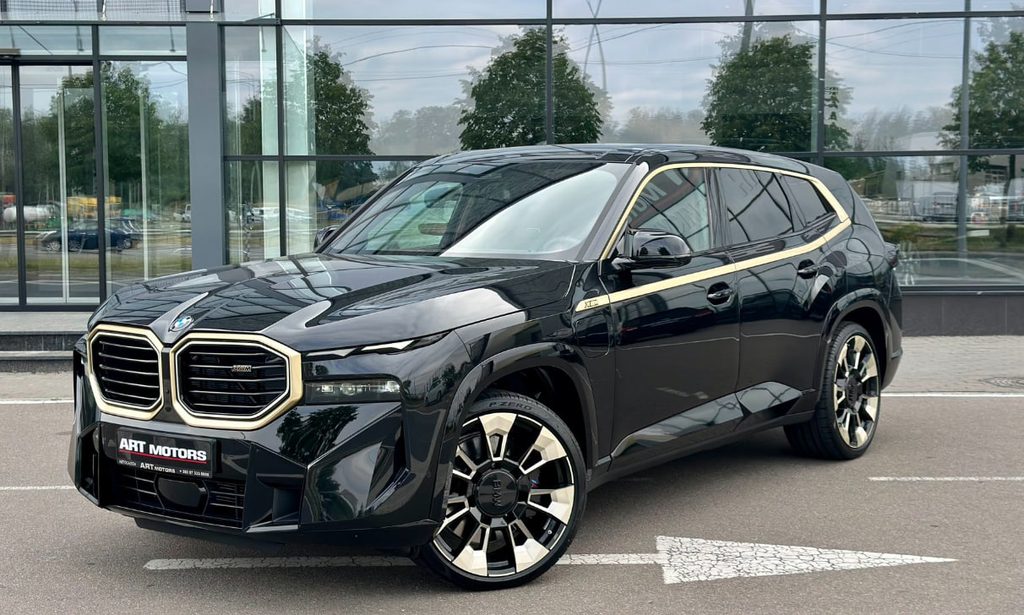
The future of BMW’s flagship hybrid crossover, the XM, is in jeopardy. According to industry data from Automotive News Europe, the Bavarian automaker is reviewing its model lineup and cost-cutting program, with the XM seen as the top candidate for discontinuation without a facelift or second generation.
The super-crossover, designed as a direct rival to the Lamborghini Urus and the first original model from BMW M since the mid-engined M1 (1978), has officially become the least sought-after vehicle in the brand’s global lineup.
Declining Demand: Sales Stats and the China Factor
According to the official BMW Group Report, the company sold just 7,608 XMs worldwide in 2025.
In 2026, interest in the heavy crossover has waned further:
- Global sales for the first six months of 2026 totaled just 2,816 units, 22.4% lower than in the same period last year;
- The model accounts for a mere 0.28% of total BMW passenger car sales (which exceeded 1 million vehicles in the half-year);
- The Chinese market, which was expected to account for 23% of total volume, has largely ignored the newcomer, while demand in the US remains a niche.
Lineup Trims and No Test Prototypes
Production of the crossover began at the Spartanburg plant in December 2022. By BMW’s lifecycle standards, camouflaged facelift (LCI) prototypes should already be undergoing road testing by the fourth year of production. However, insiders have yet to spot any test mules of the updated XM or signs of work on a second generation.
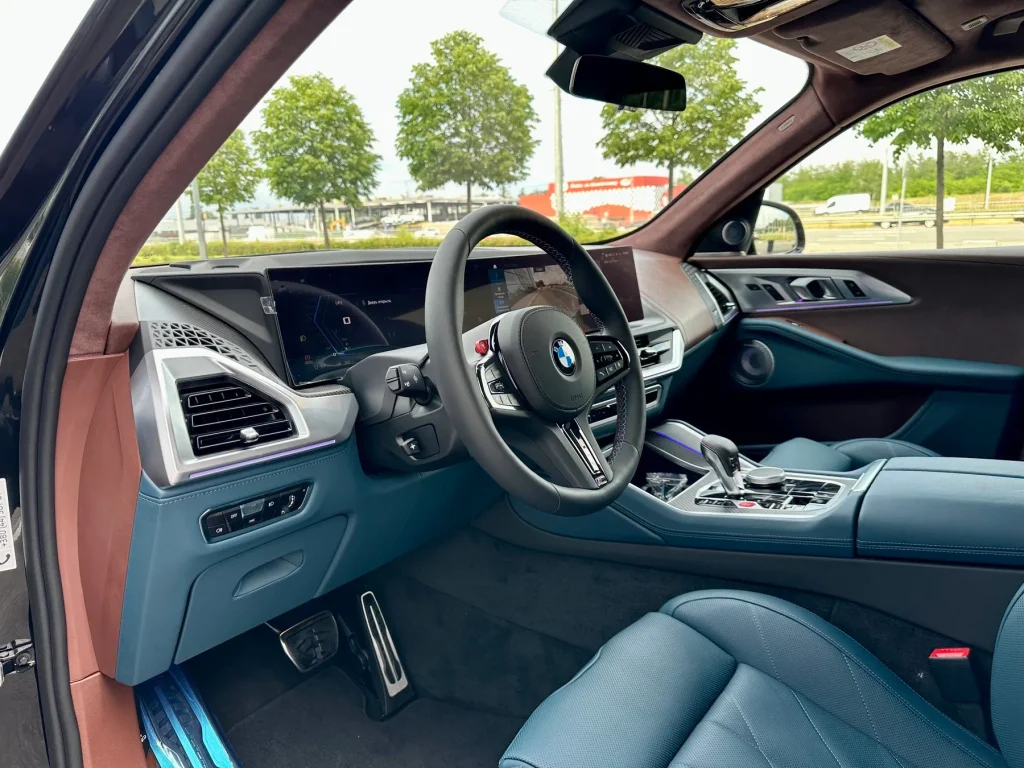
The company has already started streamlining the lineup. As Kelley Blue Book reports, the base XM has been dropped from the catalog, leaving only the top-tier BMW XM Label with a hybrid powertrain producing 748 hp and 1,000 Nm.
Despite being the most powerful production road car in BMW M history, its expressive design and hybrid mass of over 2.7 tons have put off the target audience. Given the current trend, the Bavarians will likely end the current model’s lifecycle by 2027–2028, ultimately abandoning development of a fully electric successor.