









Cult Games Half-Life, Heroes III, and Diablo II Are Now Playable Directly in Your Browser Thanks to RetroOnline
 ·
22.08.2026 13:29
·
2 min read
·
22.08.2026 13:29
·
2 min read
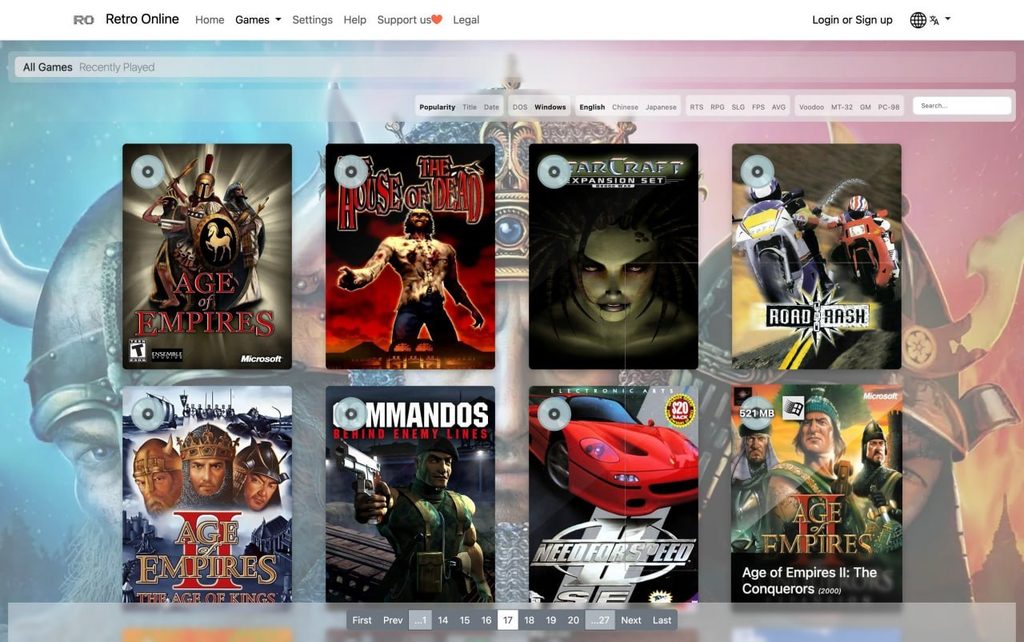
A new wave of popularity is building across social networks and gaming communities for RetroOnline, a web service that lets users run hundreds of cult DOS and Windows games from the late 1990s and early 2000s without installing third-party emulators or launchers.
The platform’s catalog features acclaimed industry masterpieces: Heroes of Might and Magic III, Half-Life, Diablo II: Lord of Destruction, StarCraft, Fallout 2, Age of Empires II, Quake III Arena, and Baldur’s Gate.
Local x86 and 3Dfx Hardware Accelerator Emulation
Unlike cloud services like GeForce NOW, RetroOnline does not use remote video streaming. The entire computing load runs directly on the user’s device via a WebAssembly stack and a modified version of the JS-DOS engine.
Technical features include:
- Hardware simulation: support for 3Dfx Voodoo graphics accelerators, Roland MT-32 sound cards, and General MIDI;
- Multi-disc releases: proper virtual swapping of CD images during playthroughs of large-scale RPGs and quests;
- Peripherals and saves: support for connecting modern USB and Bluetooth gamepads, as well as exporting save files to disk or storing them in local browser storage (cloud saves are available with a paid Gold subscription).
CPU Load and System Requirements
Although launching games requires no software installation, the browser pre-downloads game archives and caches them in memory—for demanding titles, download sizes can range from hundreds of megabytes to several gigabytes.
Full software emulation of x86 architecture and the Windows 95/98 environment remains resource-intensive: 3D action games like Half-Life or Quake III can noticeably strain the CPU even on modern PCs. In the help section, the developers recommend using current versions of Chromium-based browsers (Chrome, Edge) and note performance instability on smartphones due to strict RAM limitations in mobile operating systems.
The library uses game images from the Internet Archive digital archive, and before launching commercial games, the system prompts the user to confirm they own a legal licensed copy.