










Daily Sugary Drinks Linked to More Than Doubled Stomach Cancer Risk
 ·
23.08.2026 15:03
·
2 min read
·
23.08.2026 15:03
·
2 min read
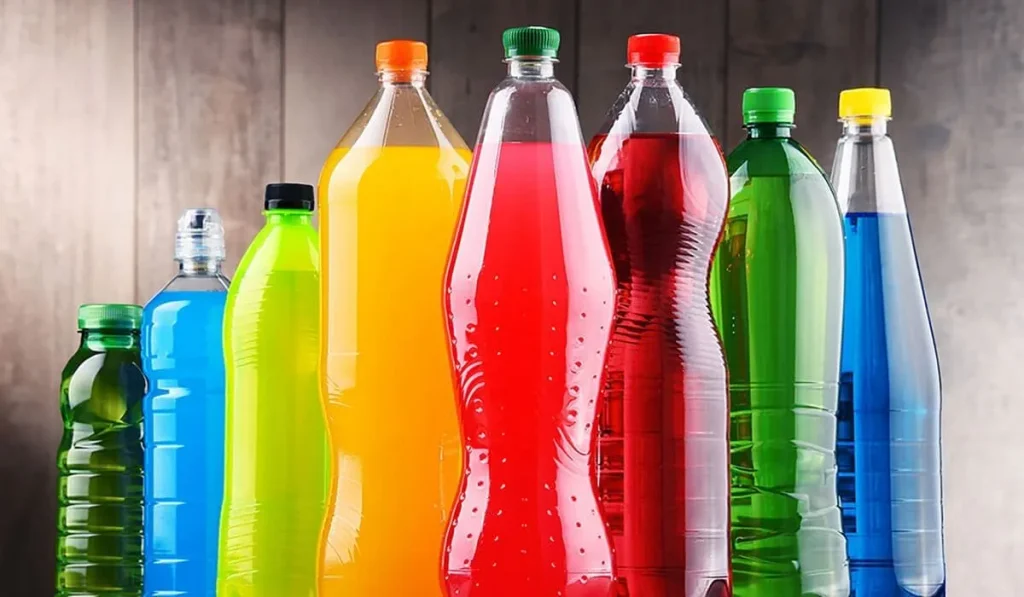
Researchers at Mass General Brigham have identified for the first time a clear statistical link between regular consumption of sugar-sweetened beverages and the development of stomach cancer. According to a study published in Gastro Hep Advances, drinking one or more servings of sugary soda per day increases the relative risk of developing a tumor by 2.45 times.
The authors analyzed years of medical records from 112,284 people tracked over several decades as part of the long-term Nurses’ Health Study and Health Professionals Follow-Up Study. Over that period, 278 cases of the disease were recorded in the sample.
The authors defined a single serving as approximately 237 ml. The category included sugary carbonated soft drinks, lemonades, fruit punches, and sports drinks. Calculations were adjusted for body mass index, smoking, alcohol consumption, diabetes, and overall diet quality. Among women, the relative risk tripled, while among men, the figure approximately doubled compared to those who drank sugary beverages less than once a month.
Artificially Sweetened Drinks and Helicobacter Pylori
According to ScienceAlert, researchers separately examined a group of drinks containing artificial sweeteners. Consumption of diet sodas showed no statistically significant effect on tumor incidence.
The scientists also ruled out the indirect influence of Helicobacter pylori — a key infectious risk factor for gastrointestinal cancer. In a tested subgroup of 940 people, the frequency of sugar consumption did not correlate with the presence of bacterial infection.
Limitations and Absolute Risks
In a Mass General Brigham press release, senior author Andrew Chan noted that the study is observational and does not prove a direct cause-and-effect relationship. Possible biological hypotheses include insulin resistance, hidden visceral obesity, and chronic inflammation of the mucosal lining.
In absolute terms, stomach cancer remains a relatively rare condition: among participants who drank a serving of sugary beverages daily, the incidence was about 16 cases per 100,000 person-years compared to 8 cases in the control group. Nevertheless, the authors call cutting back on sugary sodas a simple and effective method for individual prevention.