








iPhone 18 Pro Max vs iPhone 17 Pro Max: Variable Aperture, a 2nm Chip and 45 Hours of Battery Life for $100 More
 ·
12.09.2026 17:23
·
4 min read
·
12.09.2026 17:23
·
4 min read
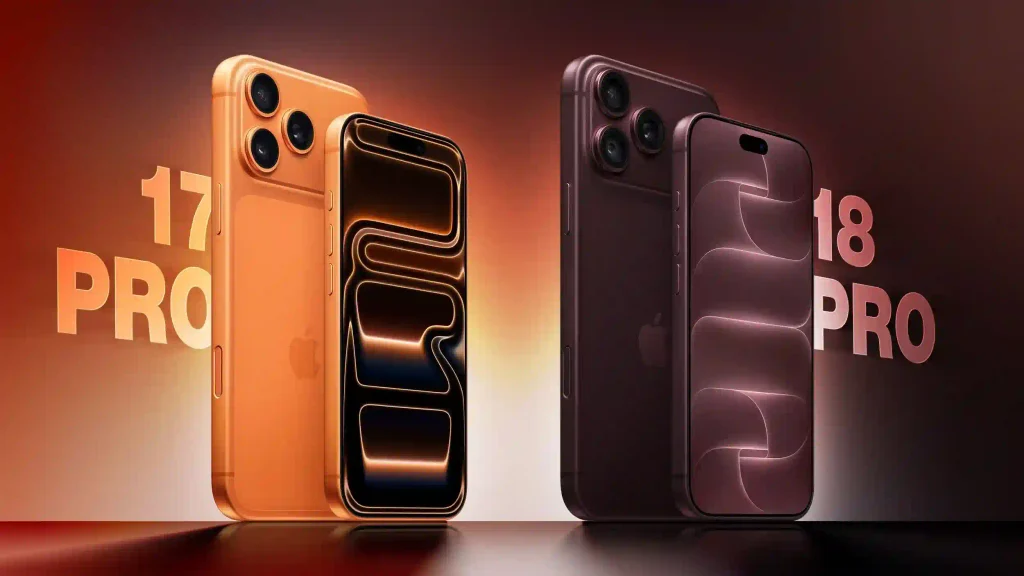
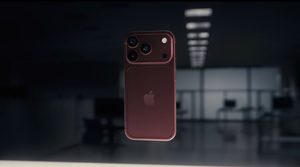
Apple has unveiled its flagship iPhone 18 Pro Max. On the outside, the phone is almost indistinguishable from last year’s iPhone 17 Pro Max, but inside there’s a major engineering overhaul: the industry’s first 2-nanometer A20 Pro processor, triple the cooling area, longer battery life and, for the first time in the brand’s history, a physically adjustable aperture on the main camera.
In the US, the base price has risen by $100 and now stands at $1,299 for the 256GB version. We break down all the technical differences of the new model and find out whether the upgrade justifies the extra cost.
Camera: Mechanical f/1.48–f/4 Aperture vs Fixed Optics
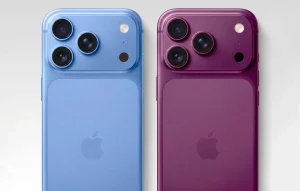
The main argument for the new generation is the 48-megapixel Fusion main camera. On the iPhone 17 Pro Max, the lens had a fixed f/1.78 aperture, while the iPhone 18 Pro Max specs debut a six-blade mechanical aperture mechanism.
The optics physically adapt to lighting conditions:
- In the dark, the blades open up to f/1.48, letting in maximum light for sharp night shots without motion blur;
- In bright daylight, the opening stops down to f/4, extending depth of field for sharp landscapes and group portraits;
- The standard Camera app gains professional manual Pro Controls that let you set aperture, shutter speed and white balance by hand.
The other modules are unchanged: the 48-megapixel ultra-wide lens and the periscope telephoto with 8x optical zoom carry over from the previous generation, as does the 18-megapixel Center Stage front camera.
A20 Pro Chip: 2 Nanometers, a 32-Core NPU and Triple Cooling
The 3-nanometer A19 Pro chip has been replaced by the Apple A20 Pro processor, built on an advanced 2nm process. The core layout has shifted toward graphics and neural processing:
- The 6-core CPU keeps two performance cores and four efficiency cores, but memory bandwidth is up 50%;
- The 7-core GPU delivers up to 40% more graphics performance in demanding games;
- The dual 16-core Neural Engine combines 32 cores, doubling the speed of on-device Apple Intelligence AI tasks.
To keep the chip from throttling under sustained load, engineers tripled the area of the copper vapor chamber inside the chassis compared with the iPhone 17 Pro Max cooling system, raising sustained performance by up to 40%.
Battery and Charging: a Record 45 Hours of Video and 50% in 15 Minutes
Battery life is the flagship’s second key breakthrough. The US version without a physical SIM tray is rated for up to 45 hours of continuous video playback, versus 39 hours on the 17 Pro Max (+6 hours of pure gain). In models with a physical SIM tray, the layout limits the figure to up to 43 hours.
Wired charging has sped up considerably: with a power adapter rated at 60W or more and supporting the AVS standard, the phone reaches 50% charge in just 15 minutes. MagSafe wireless magnetic charging remains at 25W.
Display and Body: a Smaller Dynamic Island and a Weight Gain
The flagship’s screen hasn’t changed dramatically: it’s the same 6.9-inch Super Retina XDR OLED panel with a resolution of 2868 × 1320 pixels, adaptive ProMotion refresh rates from 1 to 120Hz and peak outdoor brightness of up to 3,000 nits.
The main visual differences, front and back:
- The Dynamic Island cutout is physically smaller and can now show up to three Live Activities cards at once;
- The body is 16 grams heavier — weight is up from 233 to 249 grams because of the massive cooling system and the new lens mechanism;
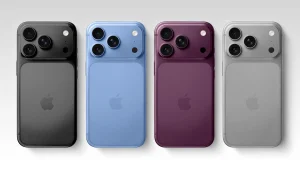
- The matte Space Black finish returns to the color lineup alongside silver, blue and dark burgundy.
Maximum storage is unchanged: both models come in 256GB, 512GB, 1TB and 2TB configurations.
Pricing and the Verdict for Buyers
According to Apple’s official Newsroom announcement, pre-orders for the new model start on September 12, with retail sales beginning on September 18, 2026.
Base US prices compared:
- iPhone 18 Pro Max (256GB): from $1,299;
- iPhone 17 Pro Max (256GB at launch): from $1,199.
Moving from the iPhone 17 Pro Max to the 18 Pro Max makes sense first and foremost for mobile photographers and videographers who need physical control over depth of field and aperture, as well as for mobile gamers who wanted an end to throttling. But if a mechanical aperture and six extra hours of battery life aren’t critical, last year’s 17 Pro Max remains a more than capable flagship.