








Tesla Model 3 Hits 250,000 Miles on Original Battery and Motors — Retains 84% Capacity
 ·
12.09.2026 17:13
·
3 min read
·
12.09.2026 17:13
·
3 min read
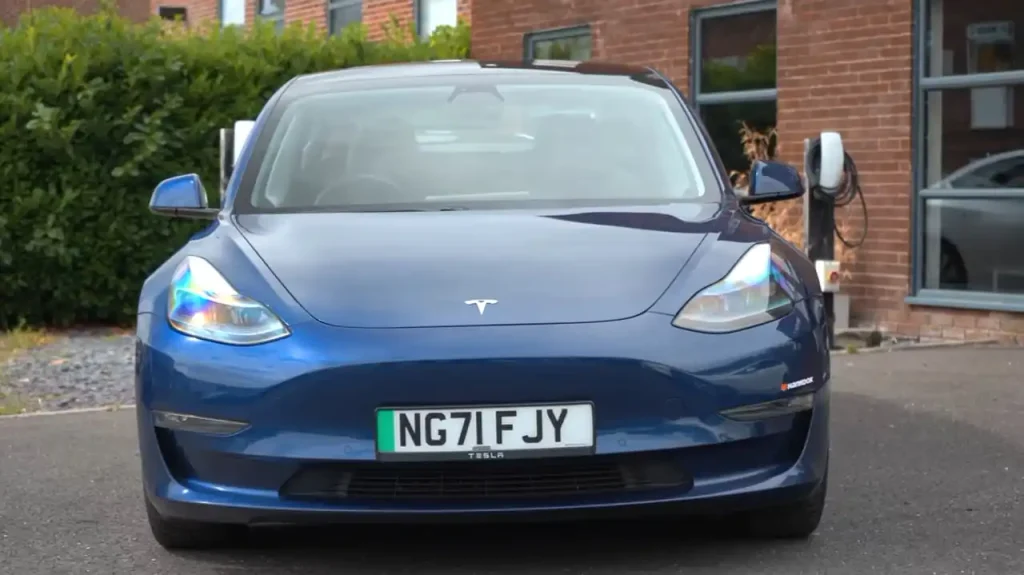
British firm R Symons Electric Vehicles conducted a detailed inspection of a 2021 all-wheel-drive Tesla Model 3 Long Range that crossed 250,000 miles (around 402,000 km) without replacing its battery pack or electric motors. Comprehensive tests revealed that after nearly five years of heavy commercial use, the battery retained about 84% of its original capacity, with minimal unexpected repair costs.
Cell health, 3.8-second acceleration, and factory brake pads
The EV racked up its high mileage in just 4 years and 8 months operating as a taxi and corporate rental, averaging around 237 km per day. Checking cell health via the Scan My Tesla diagnostic app revealed a minimal voltage differential of just 2 mV between modules, confirming no degraded cells in the pack.
According to InsideEVs, the trip computer estimates a full-charge range of 300 miles (483 km), down from 330 miles when new. During a test drive at 25 °C, the sedan covered 206 km using 45% of its capacity, translating to a real-world range of roughly 458 km.
The electrical powertrain retained its original specifications:
- At Supercharger fast-charging stations, peak charging power reaches 143 kW at a 20% state of charge, while charging from 16% to 46% takes 11 minutes;
- With the Acceleration Boost software option enabled, the sedan accelerates to 98 km/h in 3.8 seconds;
- The car is still running on its original factory brake pads — thanks to continuous regenerative braking, the friction pads show virtually no wear.
Suspension costs and real-world lifespan
Reaching this mileage required routine servicing, though most expenses went toward running gear and wear items. Over its service life, the EV went through six sets of tires, cabin air filters, and three sets of wiper blades. At around 386,000 km, mechanics replaced the suspension bushings and motor mount bushings.
The sole mechanical failure across 400,000 kilometers was a broken external speaker for the Acoustic Vehicle Alerting System (AVAS), which cost £50 to replace. Later, the owners voluntarily upgraded to springs and shock absorbers from the refreshed Model 3 Highland for a smoother ride, even though the original struts remained fully functional.
As noted by Carup.se, this real-world experience disproves common fears about rapid battery degradation from regular fast charging: with proper thermal management, modern battery packs can withstand years of heavy commercial use without performance loss or severe range drops.