








iPhone 18 Skips Fall Release — Apple Moves Base Model to 2027
 ·
09.09.2026 22:20
·
4 min read
·
09.09.2026 22:20
·
4 min read

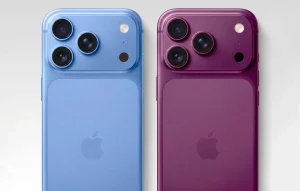
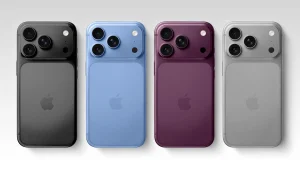
The biggest surprise at Apple’s fall event wasn’t the debut of its first foldable smartphone, but what never appeared on the Steve Jobs Theater stage. The company broke with its long-standing tradition of announcing the entire numbered lineup at once and didn’t unveil the base iPhone 18. The entire September lineup focused exclusively on premium devices: the iPhone 18 Pro and Pro Max flagships, along with the innovative foldable iPhone Duo at $1,999.
This decision marks Apple’s biggest product strategy shift since the iPhone X in 2017: the company is moving to a two-phase release schedule.
Two releases a year: premium in the fall, base models in the spring
Apple representatives didn’t officially comment on the absence of the standard model during the livestream. However, according to industry sources, the base iPhone 18 has been pushed to spring 2027.
Alongside it, two more devices are expected to debut in the first quarter of next year: the more affordable iPhone 18e and the second generation of the ultra-thin iPhone Air. In this way, the Cupertino company is establishing a new seasonal pattern:
- Fall window (September): the debut of the most expensive flagships with cutting-edge 2nm processors, advanced cameras, and foldable mechanisms (segment from $1,200 to $2,000+);
- Spring window (March–April): updates to the mass-market and budget segments (base iPhone, compact Air, and the “e” series).
Such a schedule helps smooth out seasonal revenue dips at the start of the calendar year and avoids overloading the fall ad campaign with too many similar announcements.
Rising costs and 2nm chip shortage
The key driver behind the production overhaul is economic. The shift to TSMC’s 2nm process for the A20 Pro chips, the higher cost of fast LPDDR6 memory, and the introduction of a mechanical variable aperture in cameras have significantly increased assembly costs.
With limited output of next-gen silicon wafers, it’s commercially more viable for Apple to direct all available component supplies to its highest-margin models. The $100 price increase for the iPhone 18 Pro (starting at $1,199) and Pro Max (starting at $1,299) is intended to offset R&D expenses and maximize profit ahead of the traditional holiday shopping season.
Staggering the releases also removes internal competition: the base iPhone no longer diverts attention from buyers torn between the cheaper new model and last year’s flagship.
Rumors of iPhone Air’s demise and leak checks
Ahead of the event, anonymous sources floated the hypothesis that Apple had allegedly decided to completely shut down the thin iPhone Air project, renaming its second iteration as the standard iPhone 18.
This information isn’t corroborated by supply chain analysts’ data. Previous reports from Foxconn and Pegatron production lines clearly describe the iPhone 18, iPhone 18e, and iPhone Air 2 as three separate devices with distinct positioning, dimensions, and battery capacities. The attempt to attribute the cancellation of the thin lineup looks like speculation amid the delayed announcement.
What to do if you were waiting for the base iPhone
For buyers hoping to upgrade to a modern yet affordable iPhone this fall, the options have narrowed:
- Consider last year’s models: the iPhone 17 and 17 Pro have traditionally dropped in price at official retailers, offering enough performance for most everyday tasks;
- Move up to the Pro segment: if next-gen Apple Intelligence features, the 2nm chip, and the mechanical camera are critical, the only option is to pay extra for the iPhone 18 Pro;
- Wait for spring 2027: in six months, the base iPhone 18 will hit the market with refined software and a more attractive price.
Apple’s new tactic turns September events into showcases of technological maximum, leaving practical and affordable options for the spring lineup refresh.