










Neuroscientists Explain How Late-Night Reels and TikTok Scrolling Reduces Libido
 ·
13.08.2026 22:19
·
2 min read
·
13.08.2026 22:19
·
2 min read
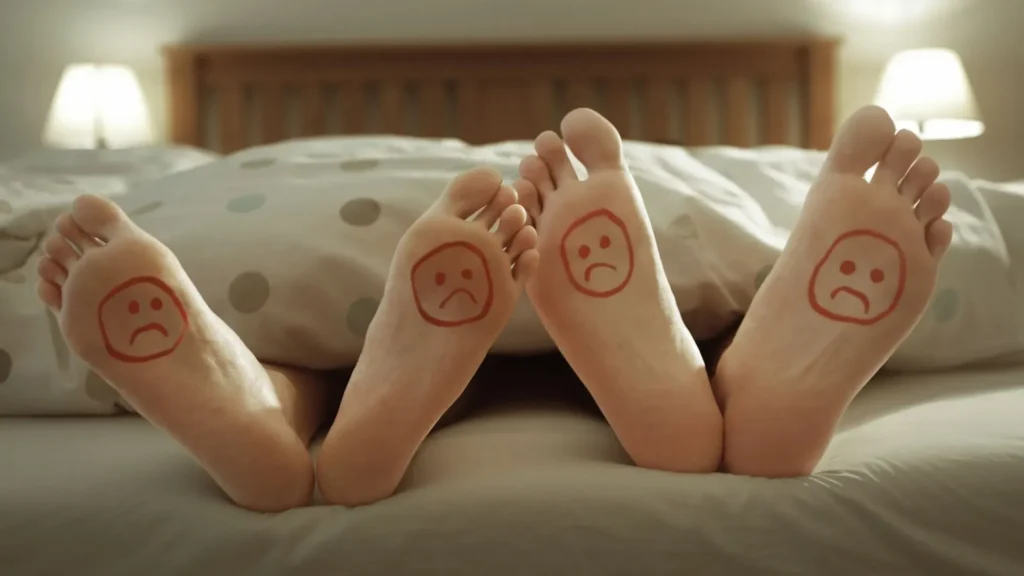
Scrolling through short videos before bed gradually lowers sex drive due to brain receptor oversaturation with “cheap” dopamine. According to research published on NCBI, endless scrolling forces the brain to choose the easiest path to pleasure, displacing real intimacy.
The brain’s reward system responds to TikTok and Reels algorithms with microdoses of dopamine every 15 seconds without requiring any physical or mental effort. Unlike using a smartphone, intimacy requires muscle activity, emotional engagement, and oxytocin production. Faced with an easily accessible stimulus, the brain subconsciously views physical intimacy as an energy-draining task and opts to keep scrolling.
Intimacy Statistics and Gadget Addiction
Data from long-term sociological research by the General Social Survey, analyzed in Psychology Today, shows a decline in sex frequency: 20 years ago, 59% of stable adult couples engaged in sexual activity at least once a week, compared to just 49% today. One primary reason cited is “phubbing”—snubbing a partner in favor of a smartphone.
In surveys by research firm Telenav published by NBC News, up to 40% of respondents admitted they would rather give up sex for a year than go that same length of time without a smartphone.
How Blue Light Affects Hormones
Beyond psychological habituation, looking at screens in the dark triggers a hormonal imbalance:
- Melatonin suppression: Blue light from screens inhibits the synthesis of the sleep hormone, causing issues with deep sleep stages;
- Testosterone drop: Sleep deprivation and late-night news consumption raise levels of the stress hormone cortisol, which leads to lower testosterone levels in men and decreased natural arousal in women.
To normalize libido and sleep, sexologists and neurologists recommend establishing a regular “digital curfew”—turning off smartphones completely or removing them from the bedroom at least 60 minutes before going to sleep.