








New-Generation Hyundai Tucson: Boxy Design, 17-Inch Screens and a Return to Physical Buttons
 ·
02.10.2026 15:12
·
3 min read
·
02.10.2026 15:12
·
3 min read
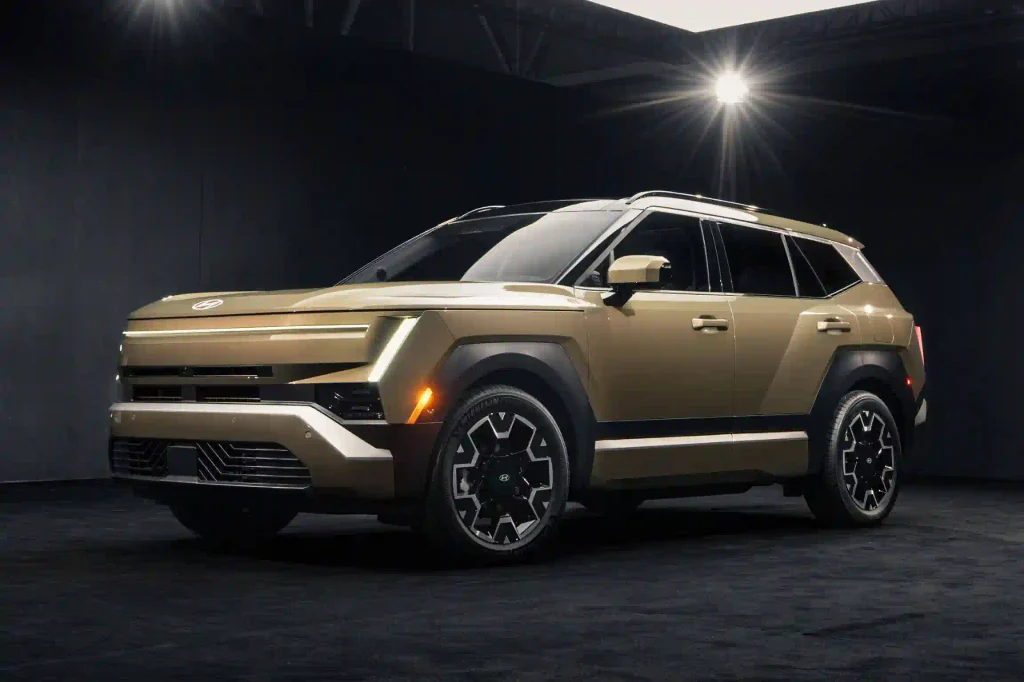
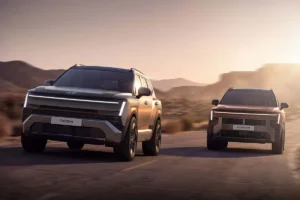
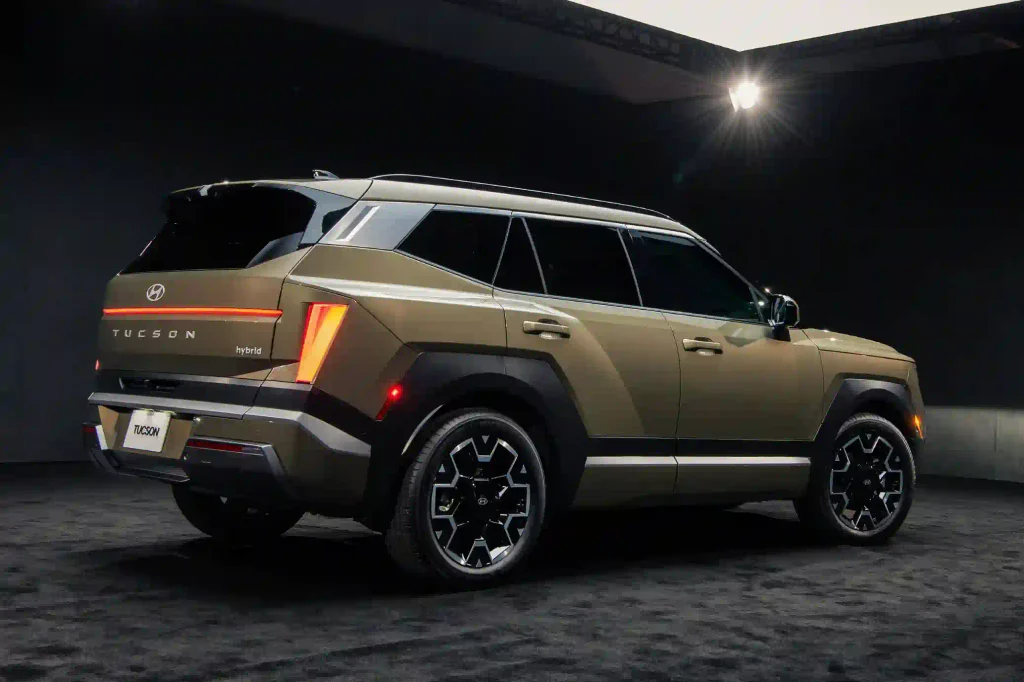
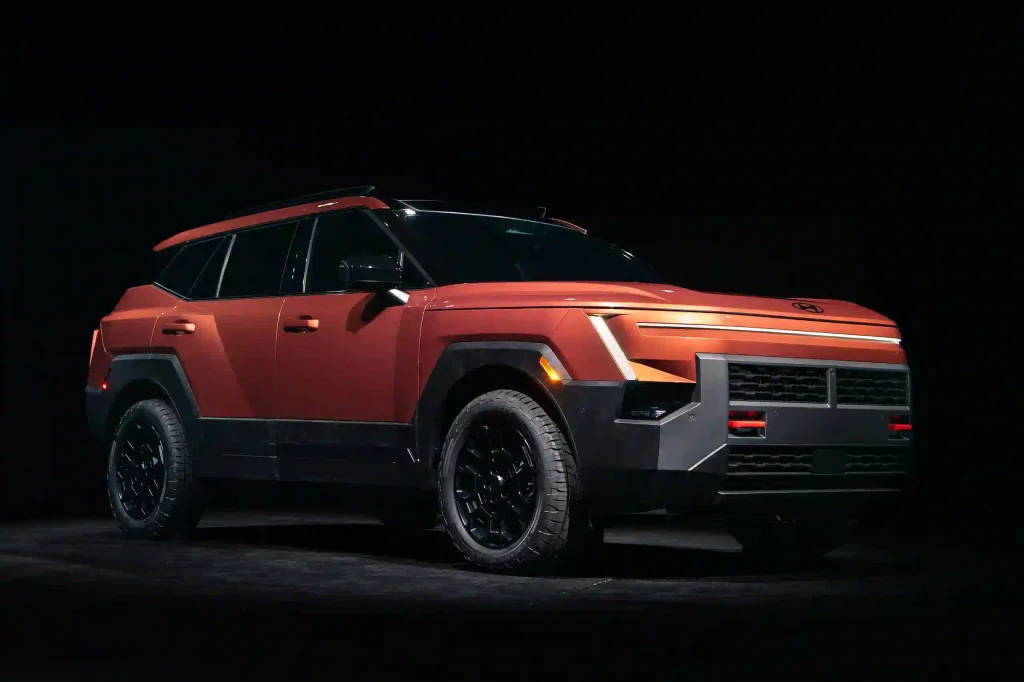
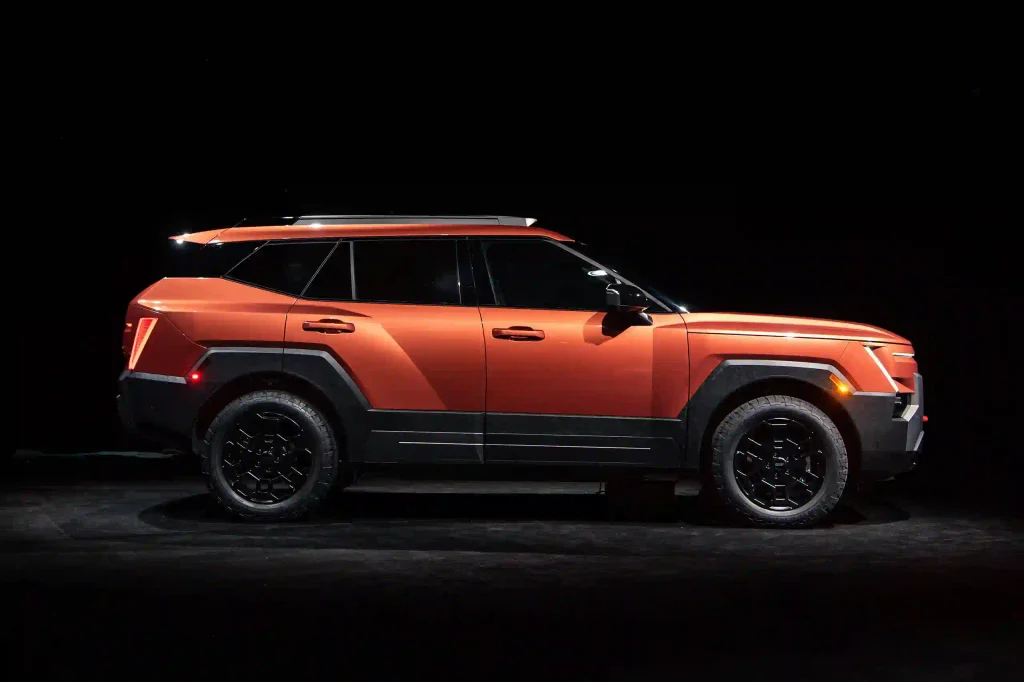
Hyundai has officially unveiled the next generation of its best-selling global crossover, the Tucson. The vehicle has undergone a dramatic image change: the complex faceting and sharp creases are gone, replaced by the Art of Steel concept with massive, chiseled forms, a vertical front end and flared wheel arches. The new generation will reach the European market in 2027, offering buyers not only a new design but also a major rethink of cabin ergonomics.
As expected, the crossover has grown along with its new look. The body now measures 4560 × 1900 × 1670 mm — 35 mm longer and wider and 20 mm taller than its predecessor. The engineers also worked on practicality: the rear doors now open to 83 degrees instead of 73, making it easier for passengers to get in and for child seats to be installed, while cargo capacity has grown to 695 liters.
Separate Screens and a Reprieve for Buttons
The biggest surprise inside the cabin is the decision to abandon the all-touch controls that the auto industry is now widely adopting. According to Hyundai’s European press office, the developers kept a bank of physical buttons below the central display for climate control and the car’s main functions. This is a direct response to drivers’ complaints about the inconvenience of touch controls while on the move.
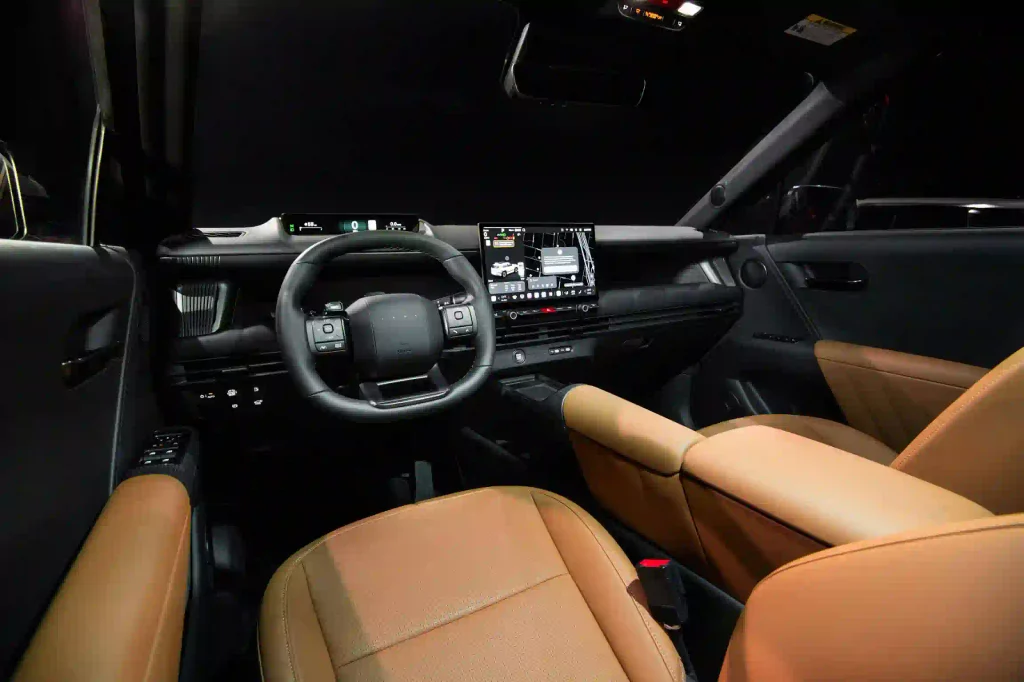
The dashboard architecture has changed as well. Instead of a single long screen cluster, the driver now faces a separate 9.9-inch instrument display. In the center sits a tablet for the Pleos Connect infotainment system, measuring 12.9 or 17 inches depending on the trim. The platform runs on Android Automotive OS, supports over-the-air (OTA) updates and is controlled via a built-in Gleo voice AI assistant.
To make things easier for the driver and passengers, the gear selector has moved to the steering column, freeing up space on the center console. That space now holds two 15W wireless smartphone charging pads, while four high-speed USB-C ports rated at up to 100W — enough to charge laptops — are distributed throughout the cabin.
Hybrids for Europe and the XRT Pro Off-Road Version
The European powertrain lineup for the new Tucson will be built around three options:
- a base version with a 1.6-liter turbo engine producing 150 hp;
- a conventional hybrid (HEV) with a combined output of 245 hp and 380 N·m of torque;
- a plug-in hybrid (PHEV) rated at 292 hp and 380 N·m.
The range-topping plug-in hybrid comes with a 17.1 kWh traction battery. By the company’s preliminary estimates, that will be enough to travel up to 81 kilometers on electric power alone, though the final figures still have to go through WLTP certification, according to the brand’s global media portal.
Hyundai also paid special attention to outdoor enthusiasts, announcing the Tucson XRT Pro variant. This version stands out with ground clearance increased to 210 mm, protective plastic cladding around the body, grippy all-terrain tires and the Smart Terrain Assist electronic off-road assistant. For fans of on-road performance, the company is preparing a sporty version — its debut is set for October 12 at the Paris Motor Show.
Hyundai’s plant in the Czech Republic will continue to build cars for the European market. The first production vehicles will arrive at dealerships in South Korea in late 2026, and the new model will reach North America, Europe and other regions in 2027. Pricing will be published closer to the start of sales.