









Paleontologists Discover Rich Prehistoric Shark Graveyard at the Bottom of Dried-Up Ancient Sea in Egypt
 ·
22.08.2026 17:02
·
2 min read
·
22.08.2026 17:02
·
2 min read
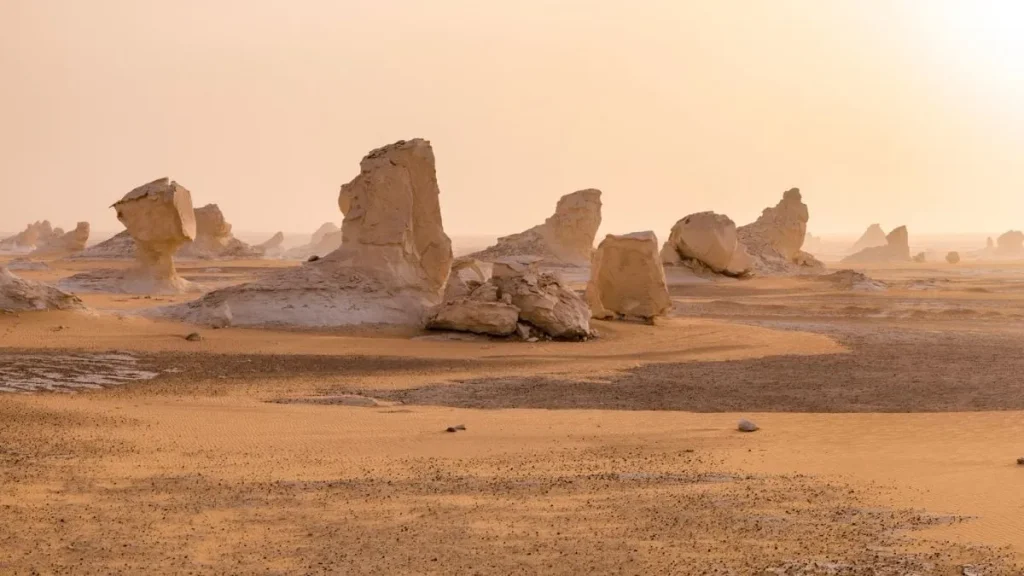
An international team of paleontologists has discovered the remains of a thriving marine ecosystem in Egypt’s Western Desert that existed around 75 million years ago. As reported by ScienceAlert, researchers excavated a collection of teeth from extinct marine apex predators on the arid Abu Tartur plateau, which formed the floor of a warm, shallow ocean during the Late Cretaceous period.
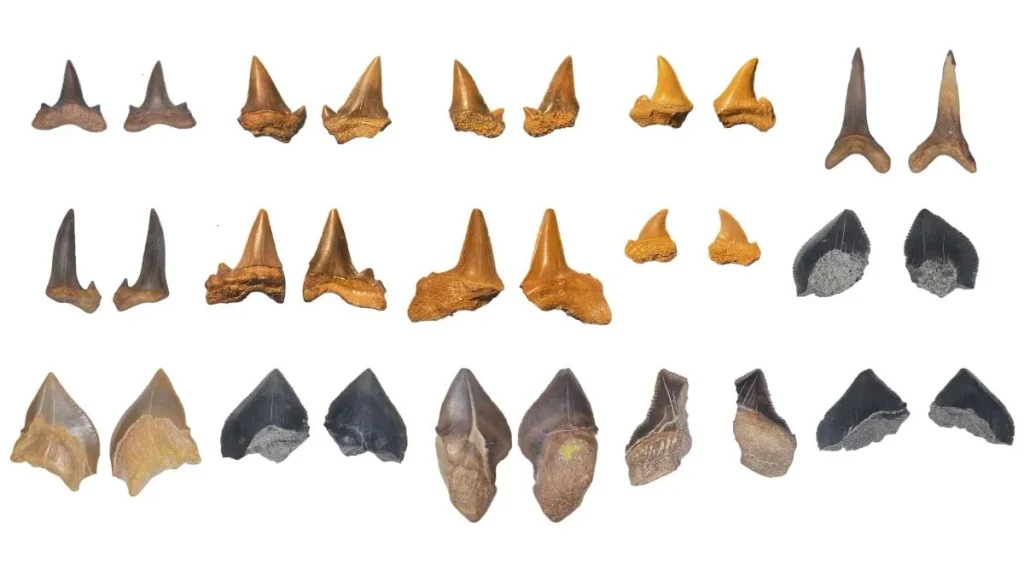
During excavations of the Duwi Phosphate Formation, scientists described in the journal Cretaceous Research 14 remarkably well-preserved teeth belonging to five species of ancient sharks: Cretalamna cf. maroccana, Scapanorhynchus cf. raphiodon, Serratolamna cf. serrata, Squalicorax bassanii, and Squalicorax pristodontus.
Unique Discoveries for the African Continent
All five identified species were recorded on the Abu Tartur plateau for the first time, while Serratolamna cf. serrata and Squalicorax bassanii had never been encountered in Egypt before.
The discovery of Scapanorhynchus cf. raphiodon—a prehistoric relative of modern deep-sea goblin sharks featuring distinctive thin, needle-like teeth—holds particular scientific value. Scientists suggest this is the first confirmed specimen of the species in Africa and the latest known representative of its genus in the global paleontological record.
Including previous finds of the giant Cretoxyrhina mantelli, the total number of known shark species at this location has reached seven.
Marine Oasis and Coastal Upwelling in the Cretaceous Period
Analysis of the tooth structures showed that the predators occupied distinct ecological niches:
- Sharks with needle-like teeth hunted slippery fish and cephalopods in the water column;
- Species with broad, saw-like crowns specialized in tearing through the flesh of large marine reptiles;
- Some populations inhabited shallow waters, while others hunted along the edges of the continental shelf.
The driver behind such a high concentration of predators was upwelling—a process where deep ocean waters rich in minerals and phosphorus rise to the surface. This massive nutrient influx triggered an explosion in phytoplankton growth, providing a feeding ground for schools of fish and large marine reptiles.
Over centuries, the phosphate rocks of the Duwi Formation accumulated successive generations of marine fauna, turning the Egyptian desert into a massive archive of Earth’s prehistoric life.