








Best iPhone to Buy in 2026: Top 5 Models for Price and Quality
 ·
14.08.2026 09:30
·
9 min read
·
14.08.2026 09:30
·
9 min read
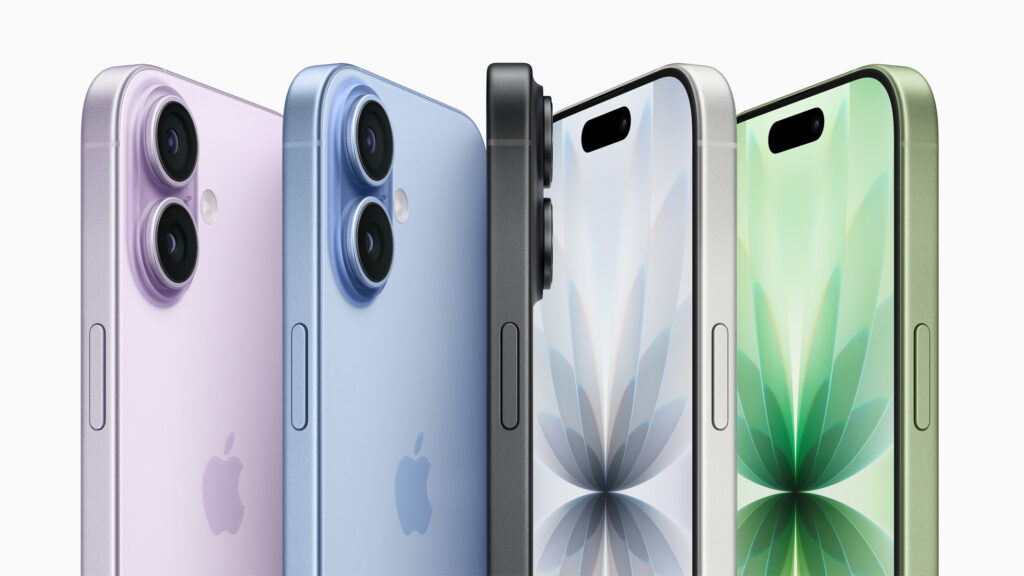
Buying an iPhone in the summer of 2026 is trickier than it seems. Current models have already dropped in price since launch, previous generations are selling with discounts, and Apple’s next big event is just around the corner.
But not everyone should wait for fall. According to early reports, Apple will focus on the iPhone 18 Pro, iPhone 18 Pro Max, and its first foldable phone in September. The regular iPhone 18, on the other hand, isn’t expected until 2027. Apple hasn’t officially announced its upcoming lineup yet.
We compared available models by price, specs, cameras, performance, and longevity. The ranking includes five iPhones that currently offer the best value for money.
5th place — iPhone 15: an affordable way to switch to a modern iPhone
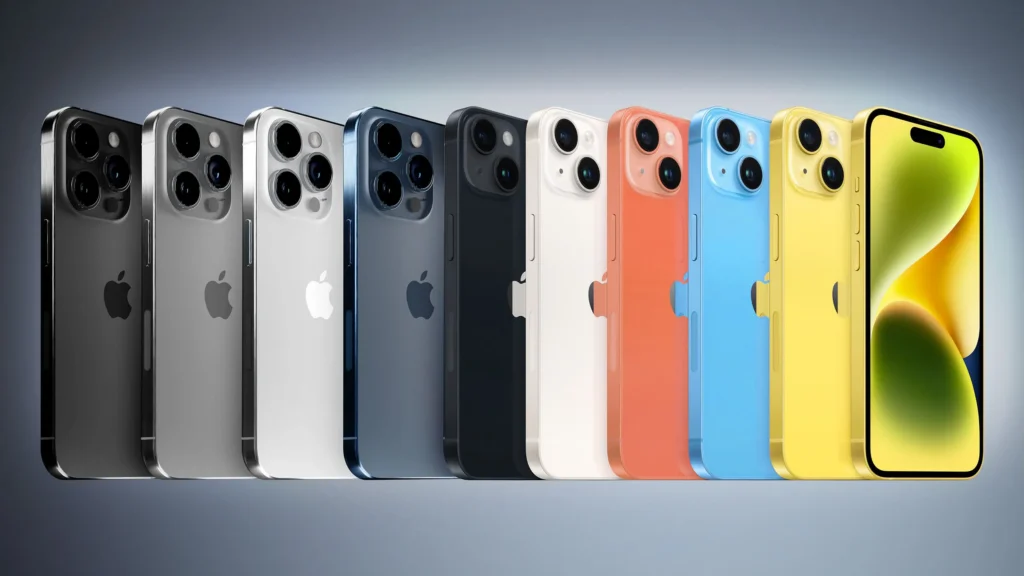
The iPhone 15 came out back in 2023, but it’s too early to count it out in 2026.
This generation brought USB-C, Dynamic Island, and a 48MP main camera to the base iPhone. It’s powered by the A16 Bionic.
It still handles messaging, social media, photos, video streaming, navigation, and most games without breaking a sweat. The camera remains competitive, and the design doesn’t look dated next to newer models.
The main drawback is future-proofing. The regular iPhone 15 doesn’t support Apple Intelligence, so some new iOS features won’t be available. Plus, the display is stuck at 60Hz, and the base model comes with 128GB of storage.
Right now, you can find a new iPhone 15 with 128GB for around $600–700.
At that price, it’s still a solid way to save money. But if the gap with newer models is small, it’s worth paying extra.
Who it’s for: those who want a relatively inexpensive new iPhone and don’t care about AI features.
Pros: USB-C, Dynamic Island, 48MP camera, solid performance, affordable price.
Cons: 60Hz display, 128GB base storage, no Apple Intelligence.
4th place — iPhone 16: a good phone caught between generations
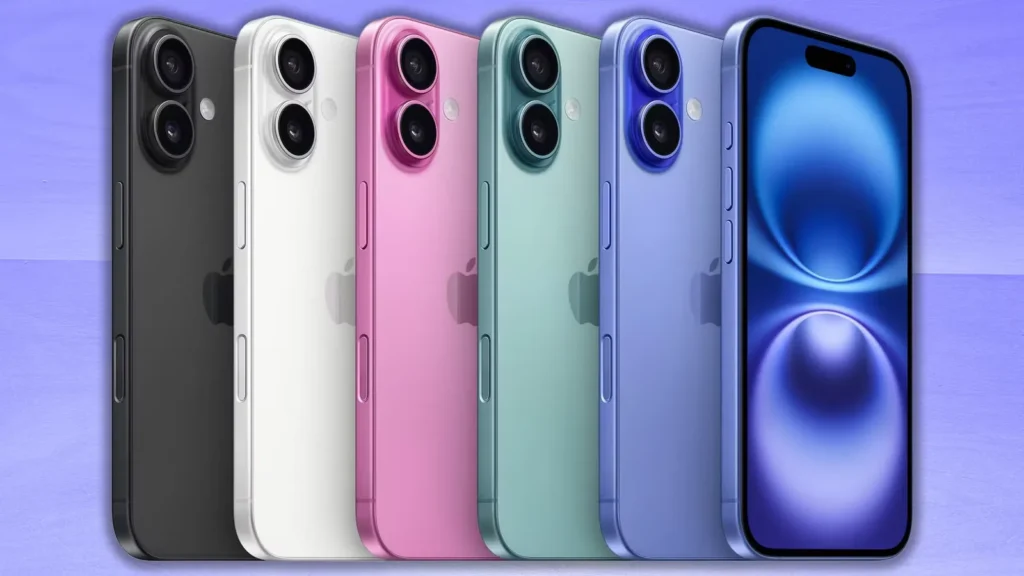
The iPhone 16 itself remains an excellent device. The problem is that after newer models arrived, its price doesn’t always match its capabilities.
It features a 6.1-inch OLED display, the A18 chip, a 48MP main camera, and an ultra-wide lens. There’s also Camera Control and the Action Button.
The A18 offers plenty of performance headroom and supports Apple Intelligence, so the iPhone 16 will stay relevant for a long time in terms of speed and future updates.
The main limitations are the lack of ProMotion and 128GB of storage in the base configuration.
A new iPhone 16 with 128GB typically costs around $800–950.
Price is what determines this model’s appeal. If you can find an iPhone 16 with a significant discount, it’s a solid buy. But if it’s priced similarly to the iPhone 17e, the choice gets much harder.
The iPhone 16 still has one key advantage: two rear cameras, including an ultra-wide.
Who it’s for: those who need two cameras and can find the phone at a significant discount.
Pros: A18, 48MP main camera, ultra-wide camera, Apple Intelligence, Camera Control.
Cons: 60Hz display and only 128GB of storage in the base model.
3rd place — iPhone 16 Pro: an affordable way to get Pro features
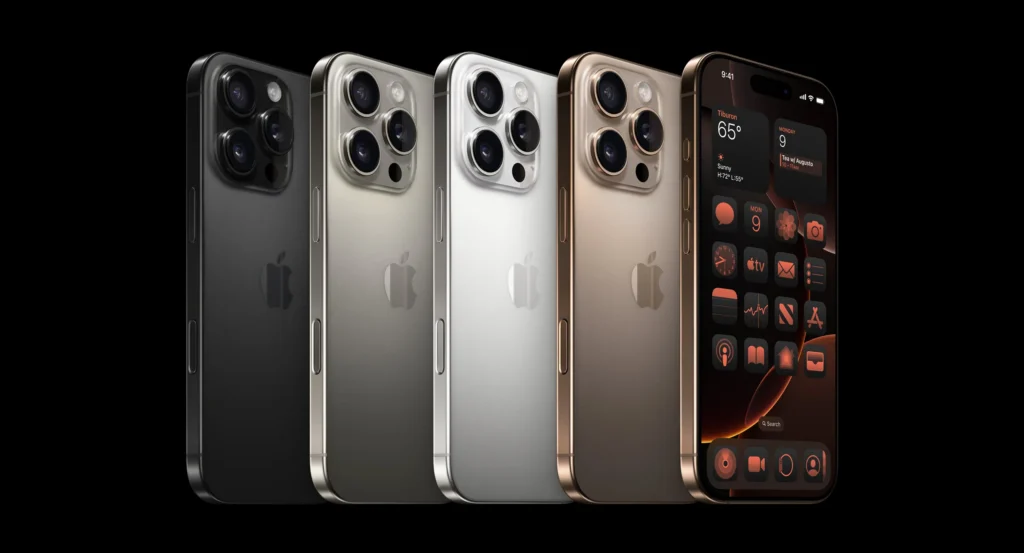
After a new generation launches, Apple’s former flagships often become particularly attractive purchases. In 2026, that applies to the iPhone 16 Pro.
It sports a 6.3-inch Super Retina XDR display with ProMotion up to 120Hz and a full triple-camera system.
The main and ultra-wide cameras are 48MP, and a dedicated telephoto lens offers 5x optical zoom. The phone can also record 4K Dolby Vision video at up to 120fps.
Under the hood is the A18 Pro. There’s also the Action Button, Camera Control, and Apple Intelligence support.
In terms of camera capabilities, the iPhone 16 Pro is still more compelling than the base models. That’s especially true for users who frequently shoot with zoom or use their phone for video.
But it’s only worth buying at the right price. New units are getting scarcer, so the price varies greatly depending on the seller, storage capacity, and specific version.
A new iPhone 16 Pro with 128GB might cost around $1100–1250. Refurbished and used units are significantly cheaper.
If the price approaches that of the current Pro, there’s little point. But with a good discount, the previous flagship remains an interesting option.
Who it’s for: those who prioritize cameras, a telephoto lens, and a 120Hz display.
Pros: ProMotion 120Hz, triple cameras, 5x telephoto, A18 Pro, advanced video recording.
Cons: new units are getting harder to find, and prices vary widely.
2nd place — iPhone 17e: maximum relevance for a reasonable price
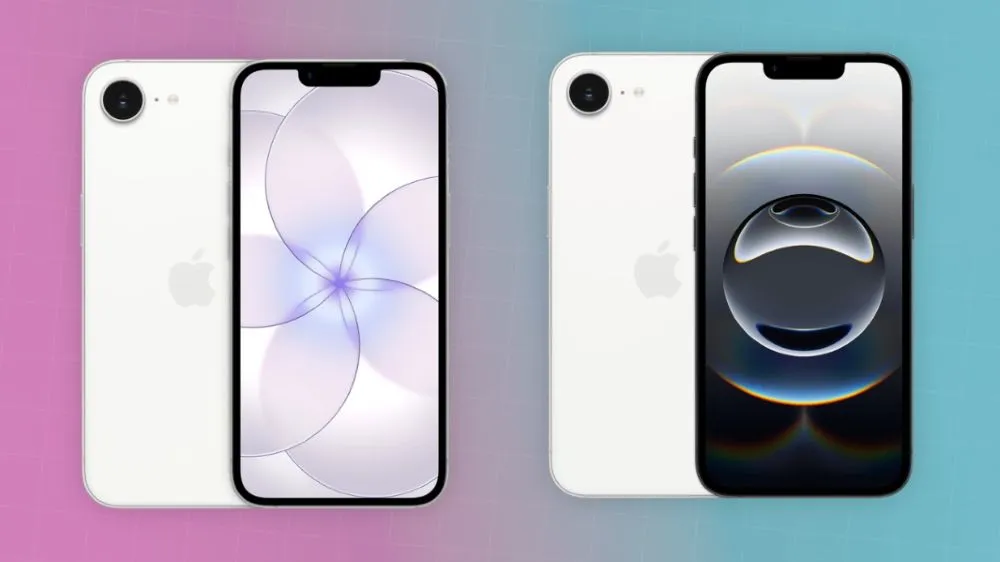
The iPhone 17e launched in spring 2026 and turned out to be significantly more interesting than its predecessor.
Apple equipped it with the A19 chip — the same one found in the regular iPhone 17. The base storage is a generous 256GB.
The phone features a 6.1-inch Super Retina XDR OLED display, Ceramic Shield 2, Face ID, the Action Button, and a 48MP Fusion main camera.
The camera supports 2x optical-quality zoom. There’s also MagSafe, which the previous iPhone 16e lacked.
The main compromises are in the display and cameras. There’s no ProMotion 120Hz, no ultra-wide lens, and no dedicated telephoto.
But in terms of processor, storage, and longevity, you give up much less.
A new iPhone 17e with 256GB can be found for around $700–800.
That price makes it one of the strongest offerings in the lineup. In some cases, the 17e is cheaper than the iPhone 16, even though it offers twice the storage and a newer chip.
If extra cameras and a 120Hz screen aren’t essential, there’s no need to pay more.
Who it’s for: those who want a modern iPhone that will last for years without breaking the bank.
Pros: A19, 256GB storage, MagSafe, OLED display, good battery life, and long-term relevance.
Cons: single rear camera and no ProMotion.
1st place — iPhone 17: the best iPhone for price and quality in 2026
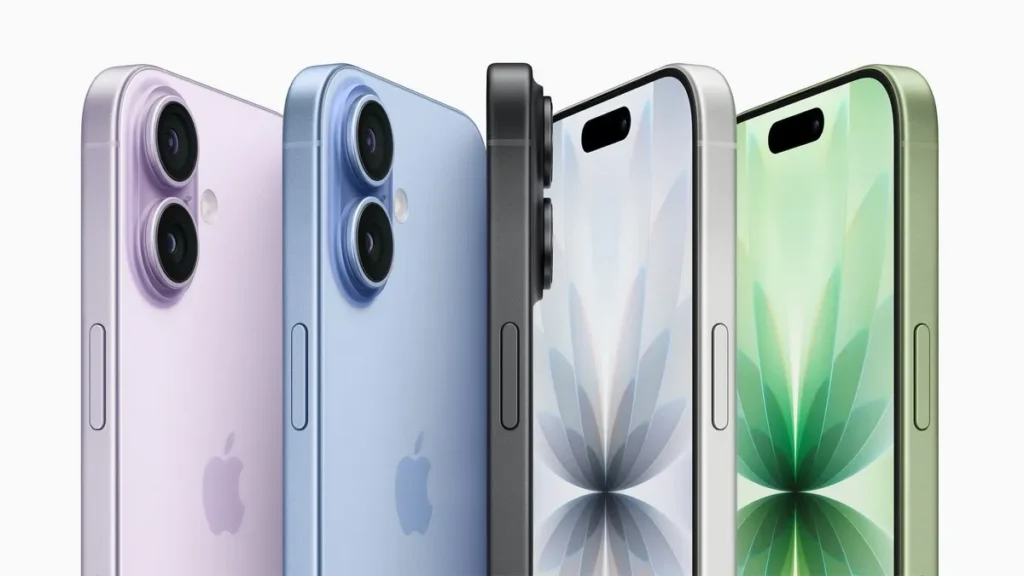
The winner of our ranking is the iPhone 17 with 256GB of storage.
This generation finally fixes one of the most annoying flaws of the regular iPhone: the 60Hz display.
The iPhone 17 features a 6.3-inch Super Retina XDR OLED display with ProMotion and adaptive refresh rates up to 120Hz. It also supports Always-On Display.
It’s powered by the A19, and the base storage has been bumped to 256GB.
On the back, there are two 48MP cameras: a Fusion main and an ultra-wide. Up front, there’s a new 18MP Center Stage camera.
The iPhone 17’s biggest advantage is how much the gap between the regular model and the Pro has narrowed. For most users, the extra telephoto lens, more powerful chip, and pro video features no longer justify the hefty premium.
Depending on the version and seller, the iPhone 17 with 256GB currently costs around $800–1050. Some eSIM versions may be cheaper.
The difference from the iPhone 17e is noticeable, but you get a 120Hz display, an ultra-wide camera, and a more versatile device overall.
If you’re planning to keep your phone for three, four, or even five years, the iPhone 17 is the most balanced choice.
Who it’s for: most buyers who want a modern iPhone without paying extra for the Pro.
Pros: ProMotion 120Hz, 256GB base storage, A19, dual 48MP cameras, new front camera, and long-term relevance.
Cons: no dedicated telephoto lens and some pro features from the Pro lineup.
Final ranking
| Place | Model | Estimated price | Why choose it |
|---|---|---|---|
| 1 | iPhone 17 256GB | $800–1050 | Best balance of specs and price |
| 2 | iPhone 17e 256GB | $700–800 | Maximum relevance for less money |
| 3 | iPhone 16 Pro 128GB | $1100–1250 | ProMotion, telephoto, and Pro cameras |
| 4 | iPhone 16 128GB | $800–950 | Only worth it with a good discount |
| 5 | iPhone 15 128GB | $600–700 | Most affordable sensible option |
Prices are approximate and can vary significantly depending on the seller, phone version, SIM type, and storage capacity.
Why the iPhone 17 Pro and iPhone 17 Pro Max aren’t in the ranking
The iPhone 17 Pro and Pro Max technically outperform most phones in this ranking, but right now they’re hard to recommend on price and quality.
They come with the A19 Pro, a triple 48MP camera system, ProMotion, improved cooling, and expanded photo and video capabilities.
The problem is timing.
Apple’s next event is just around the corner. The company is expected to unveil the iPhone 18 Pro and iPhone 18 Pro Max in September.
After that, the current generation could see significant price drops, or next-gen phones could arrive at a similar price point.
So, for now, the iPhone 17 Pro and Pro Max are only worth buying with a truly attractive discount.
Should you wait for Apple’s next event?
Primarily, those considering Pro models should wait.
According to early reports, fall 2026 will bring the iPhone 18 Pro, iPhone 18 Pro Max, and Apple’s first foldable iPhone. The regular iPhone 18, iPhone 18e, and the next iPhone Air may come later.
Apple hasn’t officially confirmed this schedule.
If the reports are accurate, regular iPhone buyers have little reason to delay their purchase just for the September event.
But before buying an iPhone 17 Pro or Pro Max, it’s wiser to wait. Even if the new models are too expensive, the next generation’s release could drive down prices on current models.
Which iPhone to buy in 2026
If you want the most balanced option without major compromises, the iPhone 17 256GB is our top pick. It has almost everything the regular iPhone was missing for years: a 120Hz display, ample base storage, a modern chip, and a versatile camera system.
On a tighter budget, the iPhone 17e is the most interesting choice. It lets you save on cameras and ProMotion while barely sacrificing performance or longevity.
If optical zoom is a priority, look for an iPhone 16 Pro at a good price, including quality refurbished or used units.
The iPhone 16 is mainly worth buying with a discount, while the iPhone 15 remains an option for those looking to minimize costs.
As for the expensive Pro models, it’s best to hold off: Apple’s next event is close and could significantly shift pricing.