








Apple Releases iOS 27: Liquid Glass Transparency Settings, Separate Volume Controls, and New Siri AI
 ·
14.09.2026 22:38
·
3 min read
·
14.09.2026 22:38
·
3 min read
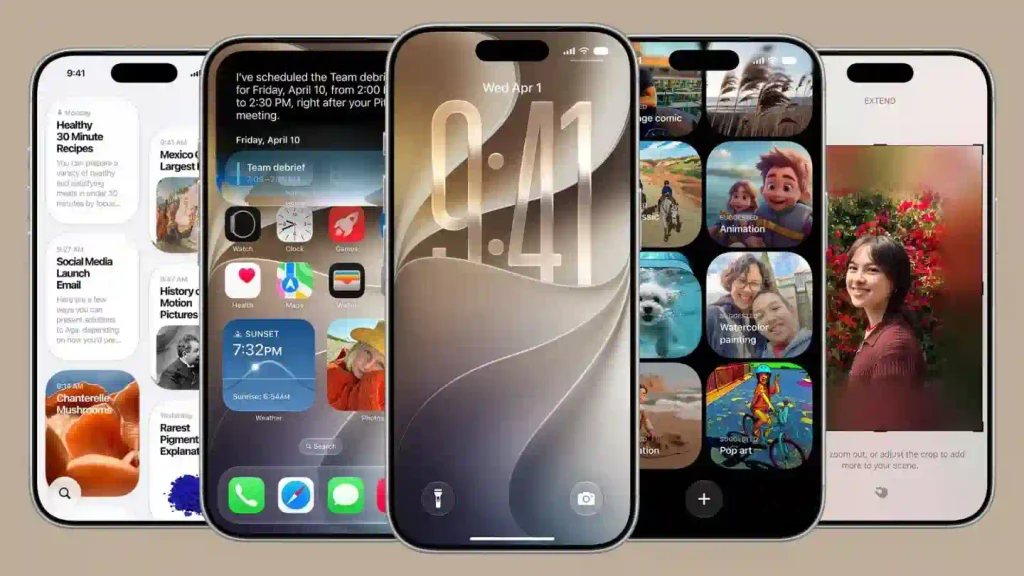
Apple has released the final version of the iOS 27 operating system for all compatible smartphones. The over-the-air update is available starting with the iPhone 11 lineup and the second-generation iPhone SE. The update optimizes UI responsiveness, unlinks volume controls for alarms and ringtones, adds granular customization for Liquid Glass design, and introduces the Siri AI assistant.
Separate Audio Controls, Faster AirDrop, and Standalone Recovery
One of the most practical everyday additions is the separation of system volume controls. As noted by MacRumors, iOS 27 finally unlinks alarm and timer volumes from the overall ringtone level, ensuring that turning down the ringer before sleep won’t result in a missed alarm in the morning.
Engineers also focused on system performance. In the tech specs breakdown on the official iOS 27 page, the company claims up to 30% faster app launching, a 70% reduction in rendering time for new frames in the photo library, and up to an 80% boost in AirDrop file transfer speeds on compatible hardware.
The Liquid Glass design language received expanded options, adding an opacity slider in display settings that lets users tweak system panel and widget transparency from near-clear glass to a solid background.
For troubleshooting scenarios, Apple introduced standalone access to the recovery screen: in the event of a software crash, Recovery Assistant lets users connect to Wi-Fi, download fresh firmware, or wipe the device directly from the phone without needing a cable or a computer.
Hardware Limits: Which Features Missed Older iPhones
Despite broad support for older models, key neural network tools come with strict hardware requirements.
Generative tools in the Photos app—the Spatial Reframing feature for adjusting photo perspective and the Extend option for smart edge generation—require the power of the Apple Intelligence neural chip. As detailed in Apple’s official announcement, the local AI architecture and new Siri AI run exclusively on devices equipped with an A17 Pro chip or newer and at least 8GB of RAM (iPhone 15 Pro, 15 Pro Max, the iPhone 16, 17, and 18 series, and the foldable iPhone Duo). On standard base models from previous generations, these options are disabled.
Additionally, the upgraded Siri AI only supports English at launch, with support for additional language packs planned for future minor software updates.
Owners of the legacy iPhone 11 will still benefit from improved stability, a updated look, and independent audio controls when updating to iOS 27, though accessing flagship AI features will require upgrading the device itself.