








Geneticists Find Traces of Ancient Coyote Interbreeding in Chihuahuas: How Wild Genes Reached a Toy Breed
 ·
23.09.2026 13:54
·
3 min read
·
23.09.2026 13:54
·
3 min read
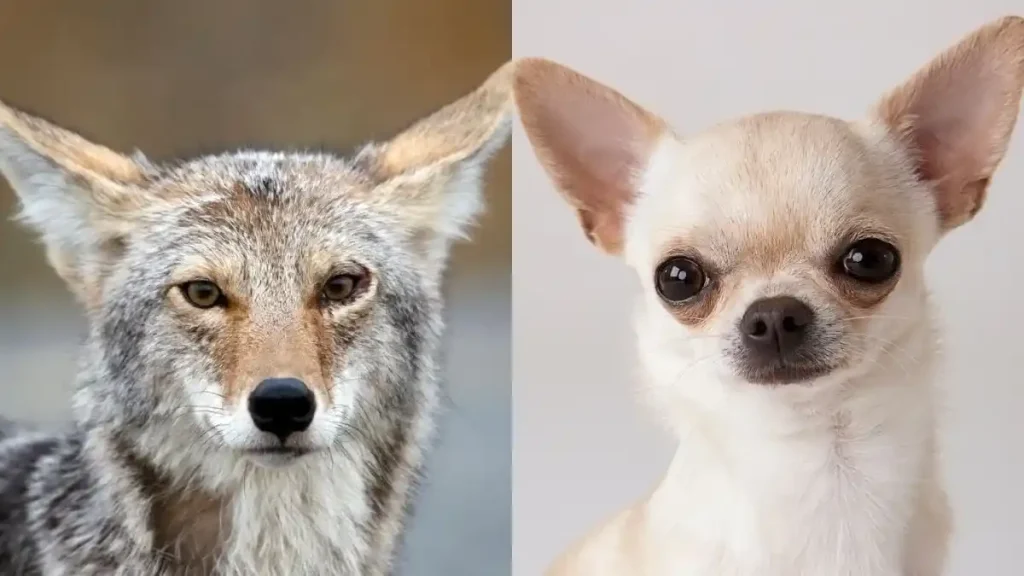
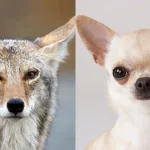
In late September 2026, a group of scientists from Stanford University and several international research centers published a study revealing unexpected details about the evolution of household pets. In the genome of miniature Chihuahuas, the researchers found isolated DNA segments that trace directly back to North American coyotes. For evolutionary biologists, this is important evidence: the discovery confirms that the ancestors of native Mexican breeds interbred with wild predators long before European colonizers arrived on the continent.
The work began not as a targeted search for the Chihuahua’s wild roots, but as a field test of new computational algorithms, Gnomix and Gnofix. These tools are designed for high-precision genome mapping and for determining the geographic origin of individual chromosomal fragments. To test the system’s accuracy, the authors analyzed a database of various members of the canid family, and it was the Chihuahua lineages that produced a clear match with the genetic sequences of wild coyotes.
A Legacy of Pre-Columbian Civilizations and an Arctic Trace
The appearance of wild canid genes in domestic pets is tied to the daily life of the indigenous peoples of Mesoamerica, Phys.org reports. Archaeological excavations have long indicated that Native Americans kept early predecessors of modern dogs in a semi-free state. Wild coyotes lived in close proximity to human settlements, which periodically led to interbreeding between species.
Along the way, the researchers stumbled upon another historical anomaly: in the DNA of another ancient Mexican breed, the Xoloitzcuintli, more than 4% of the genome turned out to be linked to Arctic dogs. The algorithm was able to reliably trace the transmission of these fragments through a series of generations more than a hundred generations into the past, confirming large-scale migration routes of ancient tribes across the entire American continent.
Do Predator Genes Explain the Breed’s Bad Temper?
After the news was published, a theory spread instantly online that the Chihuahua’s famous aggression, boldness and shrill bark were inherited from coyotes. However, the authors in the original article in the journal Nature Communications caution against such speculation.
The scientists stress that the DNA fragments they found are not linked to the regulation of behavior or the formation of character, ScienceAlert writes. The temperament, excitability and so-called “small dog syndrome” of Chihuahuas took shape as a result of later artificial selection by humans in the 19th and 20th centuries, whereas the wild coyote markers are merely a neutral genetic imprint from deep antiquity.