








GPT-6 Astra Helps Decipher a 1918 German Military Radiogram After 108 Years
 ·
20.09.2026 18:26
·
3 min read
·
20.09.2026 18:26
·
3 min read
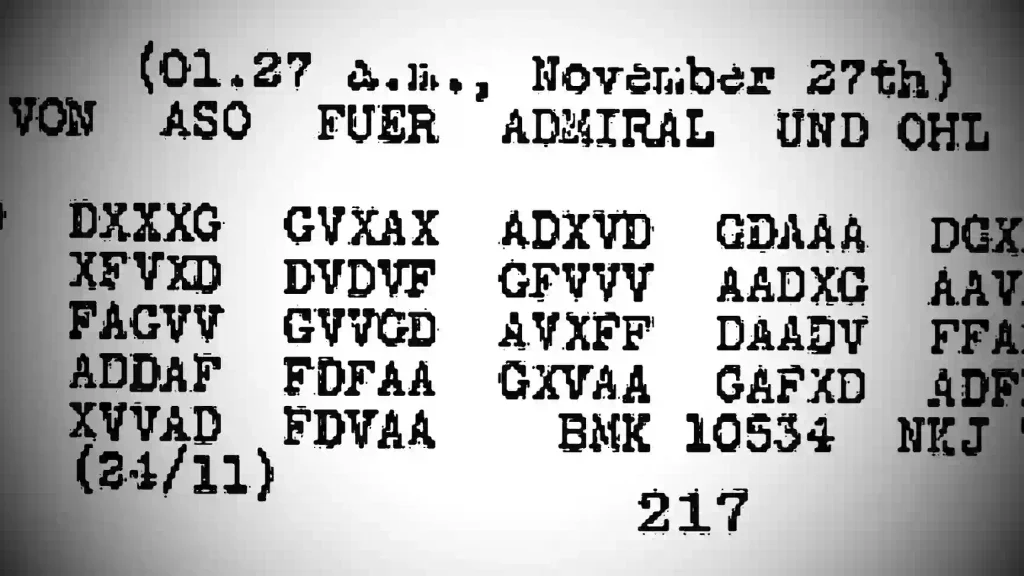
OpenAI’s model GPT-6 Astra helped propose a decryption of a 1918 German military radiogram that had remained among unsolved cryptograms for more than a century. The message described the arrival of a British cruiser in Sevastopol and the subsequent appearance of an Allied squadron.
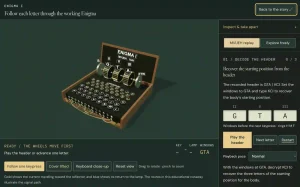
The experiment was conducted by a developer who publishes under the name Prinz. He selected one of the radiograms featured in a collection of unsolved ciphers on the German site Scienceblogs.de and tasked Astra with figuring out the ADFGVX system used.
The message is dated November 27, 1918. This is already after the Armistice of Compiègne on November 11, which ended the fighting of World War I, but the radiogram belongs to the same German military cryptographic system.
ADFGVX combined a 6×6 substitution table with an additional transposition of the resulting characters. Decryption required knowing or guessing the keyword used at a particular moment.
Astra Found the Right Key in an Old Study of German Ciphers
As Prinz recounts, Astra linked the message to the key TRUPPENVERSCHIEBUNG, which translates as “troop movement.” This key is mentioned in James Rives Childs’s work The History and Principles of German Military Ciphers, 1914–1918.
After applying the key, the following German text emerged:
“EIN ENGLISCHER KREUZER EINLIEG X SEWASTOPOL X S4STEN X EIN GESCHWADER DER X ALLIIERTEN FOLGT 26STEN X”
The meaning of the message: an English cruiser arrived in Sevastopol on the 24th, and on the 26th an Allied squadron followed. In the first date, one character in the decrypted text remains damaged or ambiguous, but historical documents allow the number to be restored as 24 with reasonable confidence.
The key point here is that Astra did not stop at producing a meaningful German text but tried to verify it against independent historical records.
HMS Canterbury’s Log Matched the Decryption
The log of the British light cruiser HMS Canterbury does indeed record an arrival in Sevastopol on November 24, 1918. The ship entered the harbor and moored in the morning.
The match looks even stronger for the second part of the radiogram: the log of HMS Canterbury for November 26 explicitly notes the arrival of an Allied squadron.
Thus, both key details of the proposed decryption correspond to independent naval records.
According to Astra’s own hypothesis, the message may have remained unsolved because of the dating of the key. It was previously believed that TRUPPENVERSCHIEBUNG began to be used on December 9, 1918, whereas this radiogram was sent almost two weeks earlier. Why the key might have been used before the presumed date is still unknown.
This Is a Convincing Solution, but Not Yet an Academically Confirmed Discovery
Prinz himself states his conclusion cautiously: he is not aware of any earlier successful decryption of this particular radiogram. The story has already drawn attention from specialized media, including Tom’s Hardware, but there is still no independent academic publication or formal verification of the result.
So it is more accurate to speak not of a definitively closed 108-year-old cryptographic mystery, but of a new decryption option that is well supported by historical documents.
The case itself clearly demonstrates a strength of GPT-6 Astra, which OpenAI introduced in September 2026: the model was able to combine searching through historical documents, understanding the cryptographic procedure, computation, and subsequent verification of the result against archival data.