








Milton Windler, the NASA Flight Director Who Saved the Apollo 13 Crew, Dies
 ·
04.10.2026 12:33
·
3 min read
·
04.10.2026 12:33
·
3 min read
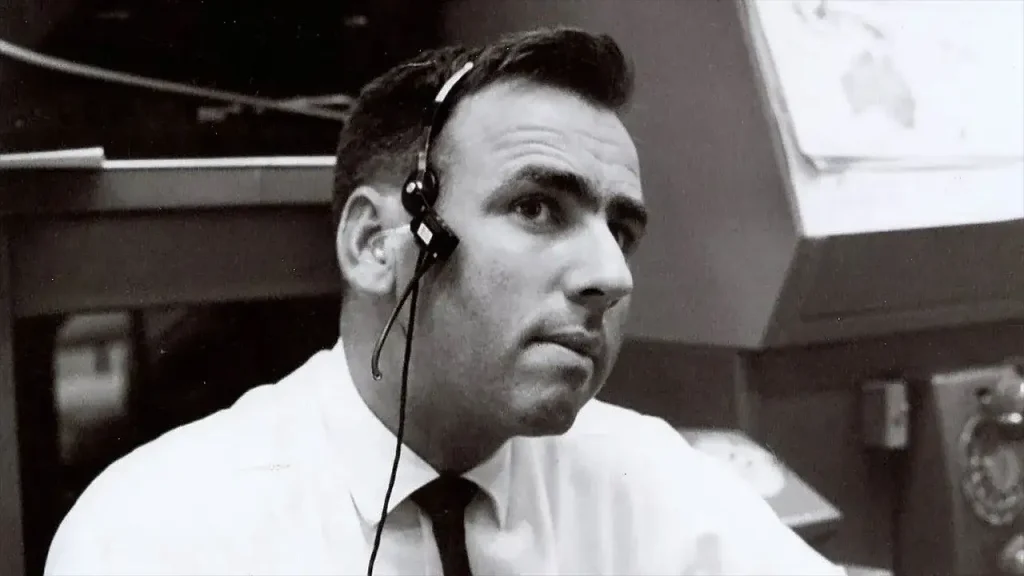
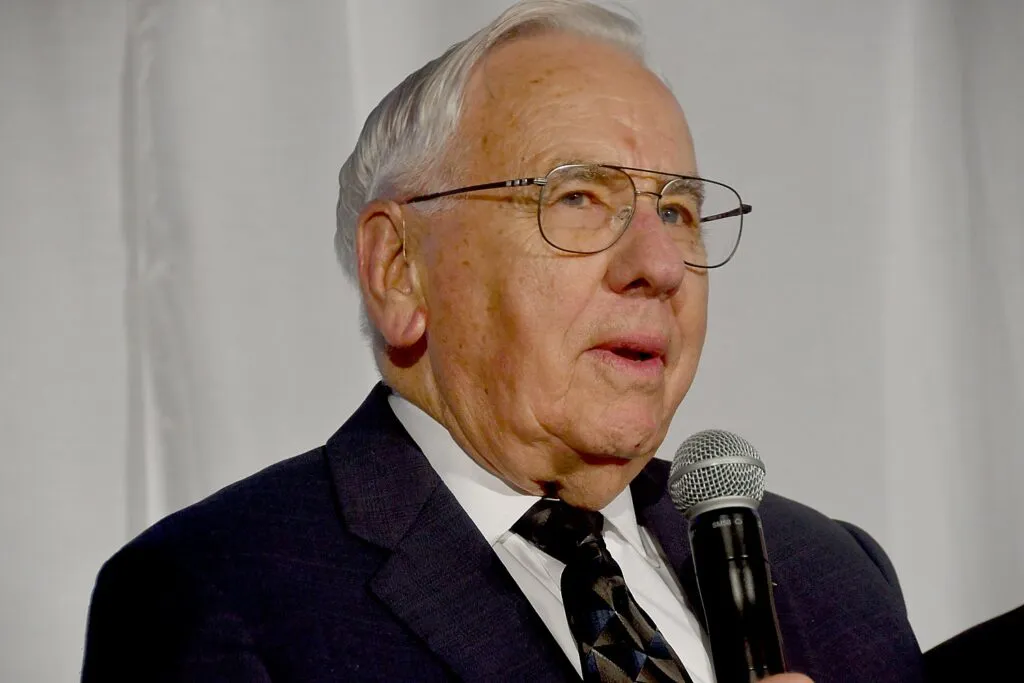
Milton Windler, a former NASA flight director whose name is inseparable from one of the most famous rescue operations in the history of spaceflight, died on October 1, 2026, at the age of 94. He served as lead director of the Apollo 13 mission and coordinated the work of Mission Control in Houston when an oxygen tank explosion put the lives of three astronauts on their way to the Moon at risk.
The accident occurred on April 13, 1970. The mission had originally been planned as the third crewed landing on the lunar surface, but after the critical failure, the main objective became getting Jim Lovell, Jack Swigert and Fred Haise home safely. As CollectSPACE reports, Windler and his colleague Gerald Griffin instructed engineers to work out three options for changing the spacecraft’s trajectory using the engine of the surviving lunar module. He also led the flight controller shifts in the final hours before splashdown, as the team restored power to the capsule and prepared it for reentry.
For that operation, President Richard Nixon awarded the Mission Control team the highest U.S. civilian honor — the Presidential Medal of Freedom. Windler and four other directors accepted it on behalf of the team, as noted in NASA archives.
From Mercury to Building the ISS
The engineer’s contribution to spaceflight goes far beyond one famous incident. Windler began his career in 1954 at NACA, the predecessor of NASA. After four years with the U.S. Air Force, he returned to the agency and worked on search and recovery operations for crews in the early Mercury and Gemini programs.
In 1968 he was officially appointed a flight director, and his team of controllers was given the call sign Maroon Flight. The first serious test in his new role was the historic launch of Apollo 8. It was during Windler’s shift that the crew performed the burn that sent a crewed spacecraft beyond low Earth orbit for the first time. He later worked on the lunar missions from Apollo 10 through Apollo 15, and went on to lead all three crewed expeditions to the Skylab orbital station.
In his later years at the agency, Windler took part in the Space Shuttle program, helping integrate the Canadian robotic arm Canadarm into the system. After leaving government service, he moved to the private sector, where he advised contractors on the design of the first modules of the International Space Station. His career reflected an entire era in the development of American astronautics — from the first suborbital launches to preparations for a permanent human presence in space.