








One in Three Drivers with Passenger Screens Never Use Them, J.D. Power Study Finds
 ·
06.09.2026 18:52
·
2 min read
·
06.09.2026 18:52
·
2 min read
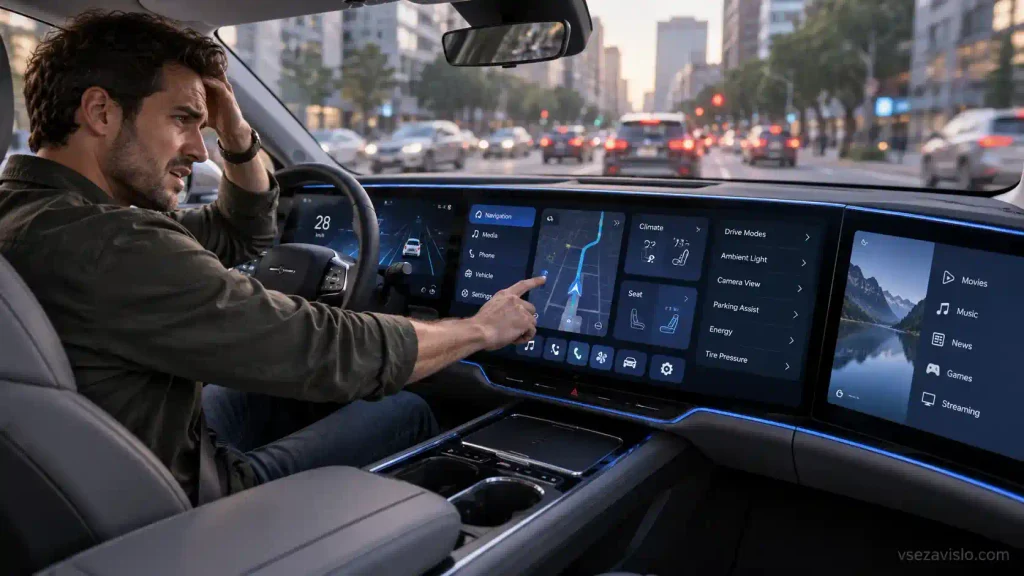
While automakers race to cover dashboards in pillar-to-pillar glass displays, car buyers are increasingly ignoring the feature. According to the annual J.D. Power U.S. Tech Experience Index study, 35% of owners with a dedicated front-passenger screen never used it once during their first three months of ownership.
Bugs, Indifference, and the Touchscreen Hate Myth
The extensive study surveyed more than 68,000 American motorists who purchased new 2026 model-year vehicles. Researchers evaluated satisfaction across 40 in-vehicle features, ranging from parking assist systems to advanced infotainment platforms.
Passenger touchscreens ranked among the most questionable innovations:
- Only 6% of respondents use the passenger display on every trip;
- Cars with passenger screens generated 21.3 problem reports per 100 vehicles (PP100);
- Adding an extra display directly correlates with an overall rise in infotainment software glitches.
Media coverage often frames these findings as a broader driver revolt against touchscreens. However, the study shows something different: motorists are not opposed to a central display for navigation and music, but they see little point in an extra passenger-side screen that carries a steep price tag at the dealership.
What Drivers Actually Want
Features that run quietly in the background without requiring menu navigation scored highest in satisfaction. Smart Ignition—which automatically starts and shuts off the engine when the driver enters and exits—claimed the top spot with just 2.4 complaints per 100 vehicles. Dual-zone climate control and automatic driver profile loading for seats and mirrors also earned high marks.
Driver-assistance technology revealed a similar pattern: drivers rated standard Level 2 systems requiring hands on the wheel noticeably higher than hands-free Level 2+ setups. Motorists simply feel more comfortable retaining physical control behind the wheel.
Screen fatigue is already prompting regulatory pushback. European safety agency Euro NCAP has tightened interface requirements, docking points from vehicles that bury turn signals, wipers, hazard lights, and heating controls inside touchscreen menus. The survey makes it clear: drivers want practical engineering, not extra screens added for marketing appeal.