








Vacuum Maker Dreame Cancels EV Project Without Releasing a Single Production Model
 ·
26.08.2026 15:23
·
2 min read
·
26.08.2026 15:23
·
2 min read
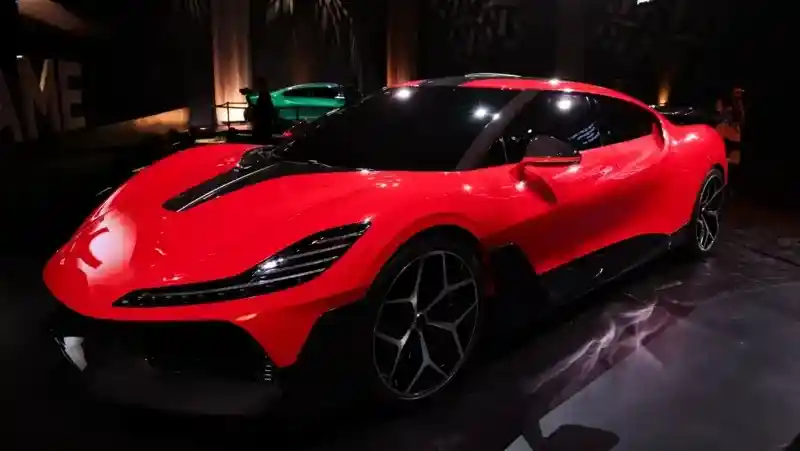
Chinese consumer robotics manufacturer Dreame Technology has officially closed its automotive division without launching a single commercial vehicle. In a statement to Reuters, the company confirmed the cancellation of its electric vehicle program due to fierce market competition and immense capital investment requirements.
As recently as early this year, the brand planned to begin delivering its first vehicles to customers in 2027.
Workforce Cut From 1,000 Employees to a Few Dozen Liquidators
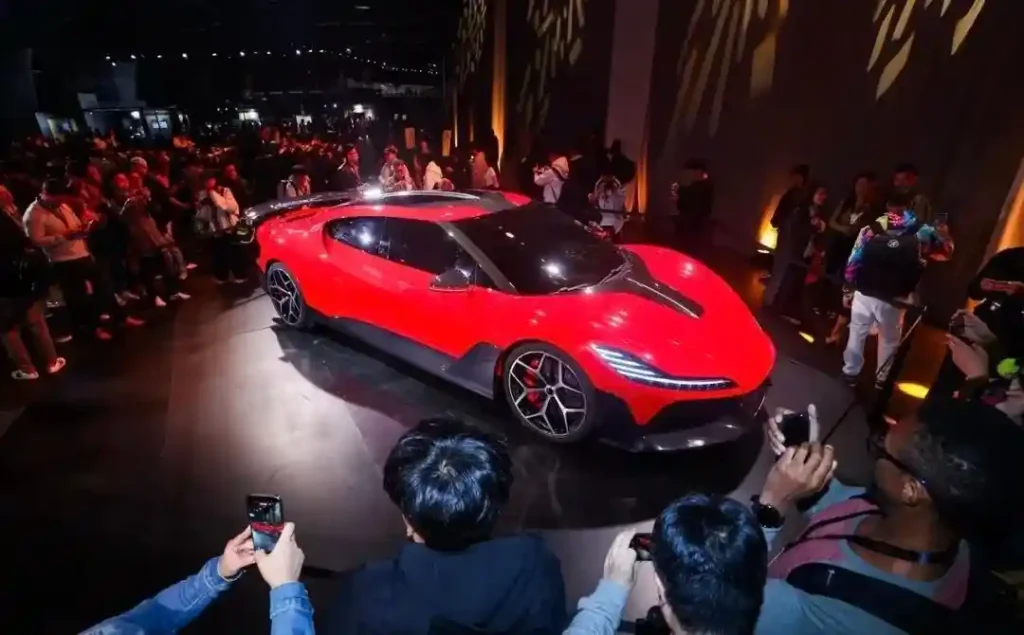
Dreame’s automotive effort launched in the summer of 2025 under the codename Star Project. At its peak, the automotive wing employed roughly 1,000 engineers and designers, but by the spring of 2026, the division faced massive layoffs.
According to state media outlet China Economic Net, only a few dozen specialists from the legal, finance, and HR departments remain on staff to handle the dissolution of subsidiary entities and process penalty payments to component suppliers. The company emphasized that the project never reached the stage of purchasing factory equipment or constructing assembly lines, meaning the division’s shutdown poses no threat to its core business.
Wild Concepts vs. Static Models
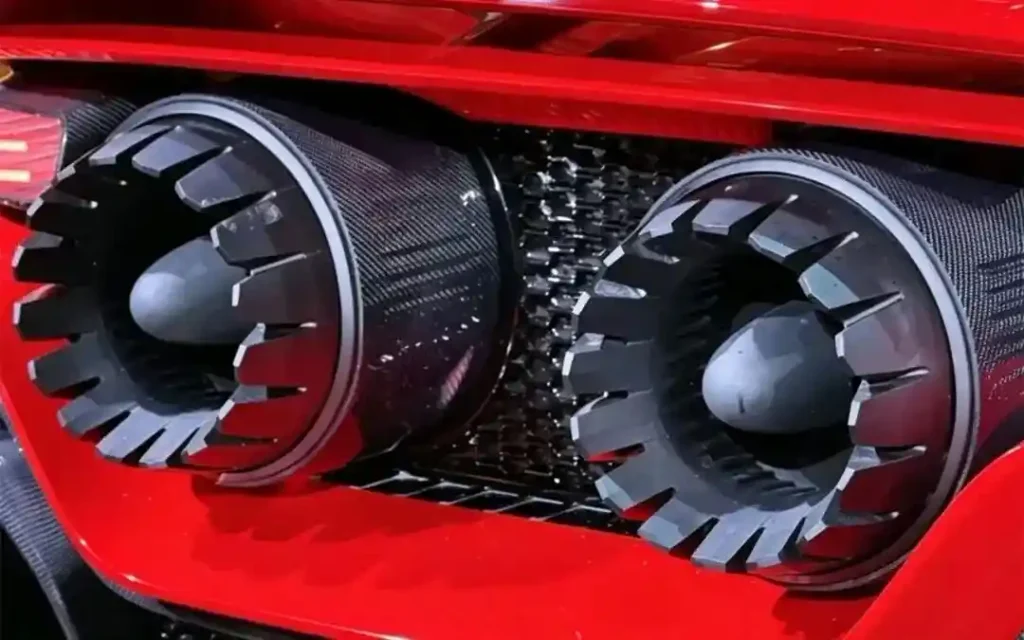
During its year of operation, the company revealed several prototypes: the Nebula NEXT 01 sports coupe, the NEXT 01X crossover, and the Nebula NEXT 01 Jet Edition hypercar. For the hypercar, claims included a 0 to 100 km/h acceleration time of 0.9 seconds, a solid-state battery with an energy density of 450 Wh/kg, and auxiliary rocket thrusters generating 100 kN of thrust.
As reported by CarNewsChina, the actual readiness of the hardware was a fiction. Former employees admitted that the prototype displayed at exhibitions was a fiberglass mock-up without a driving chassis, controlled via remote control, while the exterior design had been outsourced to a third-party studio.
Refocusing on Profitable Consumer Electronics
Dreame leadership described the closure of the automotive division as a “strategic recalibration.” The brand plans to focus on four profitable areas: robot vacuums, lawn and garden equipment, smart home devices, and AI-powered humanoid robots.
Patents and engineering solutions registered during the EV venture will be integrated into portable micromobility systems and consumer robotics.