








Xiaomi’s Custom 3nm Chip Could Lower EV Costs, Replacing Nvidia Processors with Xring D100
 ·
26.08.2026 21:03
·
2 min read
·
26.08.2026 21:03
·
2 min read
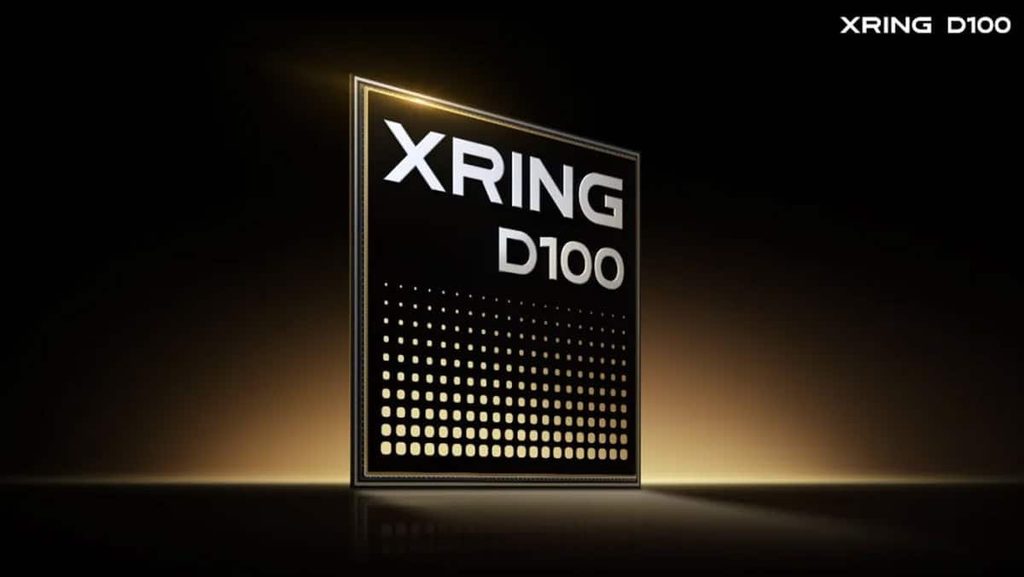
Xiaomi has officially announced its in-house Xring D100 processor, designed for next-generation autonomous driving systems. Moving to custom hardware will allow the company to move away from purchasing expensive platforms like Nvidia DRIVE Thor and significantly lower EV production costs over time.
Commercial deployment of the new chip in production vehicles is scheduled for 2027.
Cost Reduction and 3nm Architecture
The chip is built on an advanced 3nm process node and integrates a 20-core CPU, a 16-core NPU, and a memory controller supporting up to 160GB of unified memory.
According to CnEVPost, abandoning third-party chipsets gives the automaker full control over costs: engineers can optimize the silicon directly for proprietary self-driving algorithms. Eliminating third-party supplier margins will lower the cost of electronic control units in every production EV, enabling Xiaomi to maintain competitive retail prices.
On-Device AI Execution with 200B Parameters
The D100’s primary technical advantage is its ability to locally process complex AI models with up to 200 billion parameters directly onboard without relying on continuous cloud connectivity. This ensures instant self-driving responses to road conditions using data from lidars, radars, and surround-view cameras—even in areas without cellular reception.
The processor was previously tested in an experimental desktop workstation called the AI Cube, where the D100 handled large data workloads.
Semiconductor Investments and Launch Timeline
As reported by Reuters, developing the D100 aligns with a broader strategy among leading Chinese automakers to build custom silicon, following similar moves by NIO (NX9031) and Xpeng (Turing). Over the past five years, Xiaomi’s semiconductor investments have exceeded 21 billion yuan, with its chip design team expanding to 3,000 specialists.

According to tech outlet ITHome, silicon testing and validation are now complete. The brand’s first production EVs equipped with Xring D100 processors are expected to hit the road in 2027.