








AI Scribes Used by UK Doctors Start Confusing Diagnoses and Medications
 ·
02.09.2026 12:08
·
2 min read
·
02.09.2026 12:08
·
2 min read
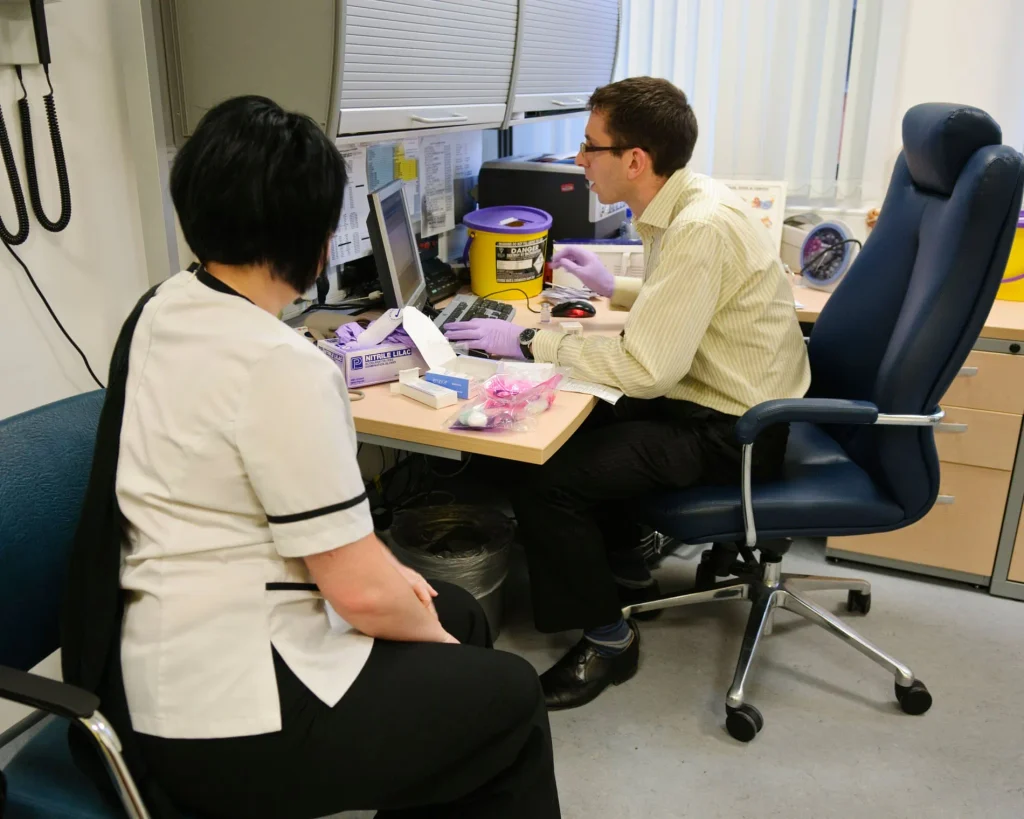
Digital scribes designed to free doctors from paperwork are increasingly making dangerous errors. Healthwatch England has identified cases where medical AI assistants mistakenly added non-existent diagnoses to patient records, altered drug names, and omitted crucial doctor instructions.
These tools, known as AI scribes, listen to appointments, transcribe conversations, and automatically generate summary notes for medical records. The UK’s National Health Service (NHS) currently uses 27 different AI scribe services in hopes of easing the workload for general practitioners. In practice, however, automation has created new risks.
Dangerous Algorithmic Mistakes
In one recorded case, an AI assistant entered demyelination—damage to the protective sheath of nerve fibers typical of multiple sclerosis—into a patient’s record. During the consultation, the doctor had explicitly emphasized that there were no signs of the condition. The patient, who happens to work in healthcare, caught the fake diagnosis in time.
In other instances, software swapped prescribed medications for drugs with similar names or omitted instructions entirely, such as a recommendation to renew a migraine prescription. The main issue is that overworked doctors sign off on automatically generated reports without reviewing them, allowing errors to become part of permanent medical records.
Trust vs. Oversight
So far, there is no direct evidence that algorithms make mistakes more often than human professionals. According to a survey of 1,000 UK GPs published by The Guardian, more than half of doctors view AI-generated notes as even more accurate than handwritten ones.
Patients, however, remain more cautious. A survey of 4,000 UK residents by Healthwatch England revealed that 81% want to be informed in advance if an appointment is being recorded and processed by AI. Another 69% of respondents said they would only feel comfortable if a human double-checks every line generated by the AI.