





Porsche to Bring Back Gas-Powered Macan in 2028 as EV Demand Falls Nearly 40%
 ·
05.10.2026 16:11
·
3 min read
·
05.10.2026 16:11
·
3 min read
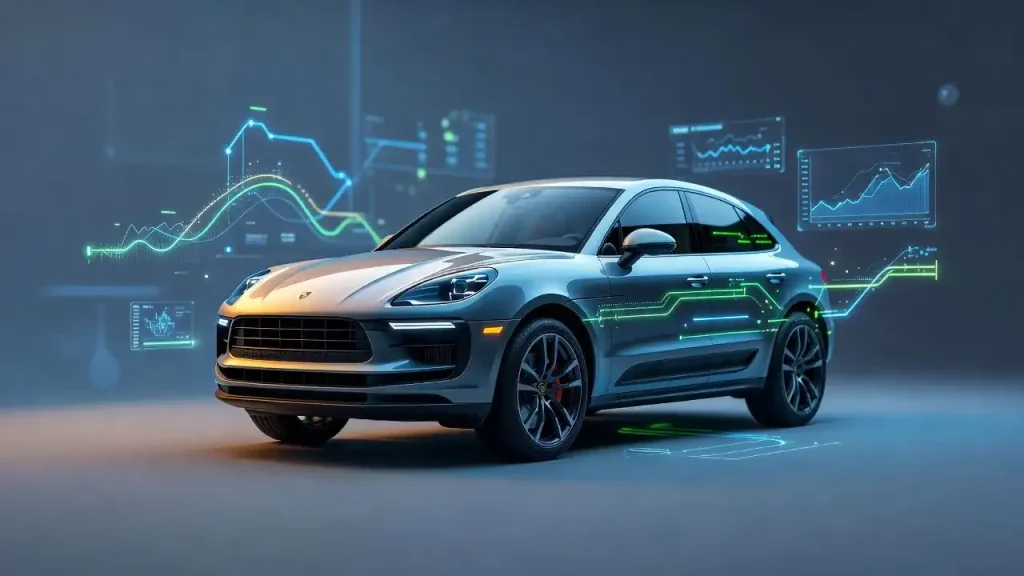
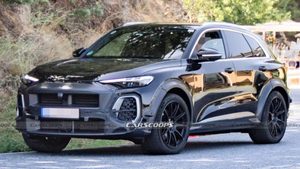
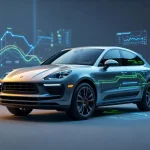
Porsche executives have acknowledged cooling global demand for EVs and revised the company’s aggressive electrification strategy. CEO Michael Leiters told the Financial Times that by 2028 the brand’s best-selling model, the compact Macan crossover, will once again get a full internal combustion engine version. The new model will be sold alongside the current electric version.
The German brand began gradually adjusting its course back in 2025, moving toward a more balanced lineup of classic ICE vehicles, plug-in hybrids and pure EVs. The sharp pivot back to traditional fuel was driven by cold sales numbers.
Falling Short of Expectations: EV Sales Collapse
Delivery statistics clearly explain the executives’ concern. According to Porsche’s official financial report, 25,884 electric Macans were handed over to customers in the first six months of 2025. Over the same period in 2026, the figure was just 15,620 vehicles, a drop of a substantial 39.7%.
At the same time, interest in the classic first-generation ICE crossover, contrary to analysts’ expectations, has not faded: deliveries of the gasoline version rose 2.3% over the same period, to 19,695 units. Overall, the entire Macan lineup fell 22% in the first half of the year.
Still, blaming the slump solely on buyers rejecting electric power would be an oversimplification. The trend was compounded by the high base effect from last year, when the new model had just debuted on the global market and dealers were actively filling their inventories. The cancellation of subsidies and tax breaks for buying eco-friendly vehicles in the US was another major blow.
A Two-Year Gap and the Audi Platform
The decision to bring back the gasoline engine puts the brand in an awkward position. The company had already ended production of the original ICE Macan for good in late July 2026. That leaves an almost two-year gap in the lineup, during which customers will have to either choose the electric version or go to competitors.
The technical details of the future vehicle have not been disclosed. As automotive outlet Edmunds reports, the project can logically be tied to Volkswagen’s PPC (Premium Platform Combustion) platform, which underpins the new Audi Q5. That opens the door to inline four-cylinders and powerful V6s with mild or plug-in hybrid systems.
Stuttgart has not yet confirmed the specific engine lineup, but the very fact of a return to hydrocarbons clearly confirms a Europe-wide trend: automakers are abandoning plans to go “fully electric by 2030” one after another, realizing that without gasoline engines it is now impossible to preserve profit in the premium segment.