









Scientists Describe New Wild Cat Species in Bolivia — First Entirely New Extant Felid Discovered in Over 100 Years
 ·
17.09.2026 20:37
·
3 min read
·
17.09.2026 20:37
·
3 min read
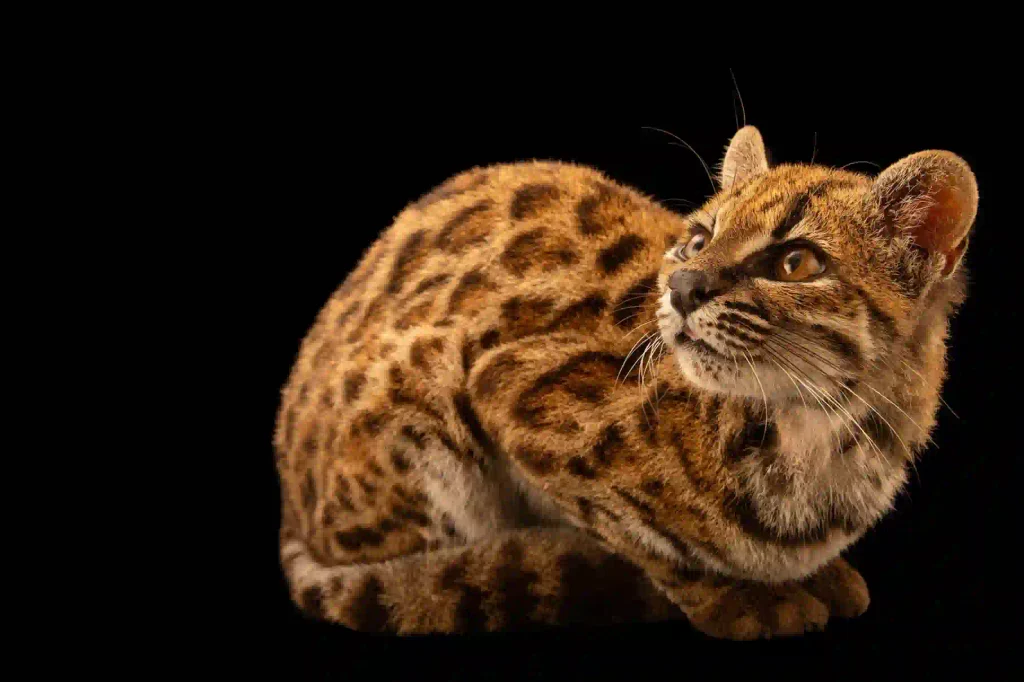
An international team of zoologists has officially described a new wild cat species, Leopardus tilcayo (tilcayo), inhabiting the high-altitude cloud forests of the Bolivian Yungas. The study, published in Current Biology, marks a major milestone for field zoology: for the first time in over a century, scientists have discovered and classified an entirely new living species within the cat family, rather than simply elevating an existing subspecies.
A 1.3 kg Dwarf Predator and a Rescued Kitten
The tilcayo belongs to the tiger cat (oncilla) species group. It is an exceptionally small predator: adults measure just 42–50 cm in body length with a tail of around 26 cm, while adult males weigh between 1.3 and 1.4 kg, making it noticeably smaller than a domestic cat. The species is characterized by light brown fur with large rosette spots, rounded ears, and a long, slender tail.
The discovery story dates back to 2016. As reported by National Geographic, Bolivian biologist Paola Nogales-Ascarrunz spotted the unusual feline in the care of local residents who had rescued the kitten from the forest and unsuccessfully tried to keep it as a pet.
The animal was later transferred to the Senda Verde nature reserve, where this specimen served as the reference sample (holotype) for genetic testing.
A 1.4-Million-Year Genetic Split and Extinction Threat
To confirm the population’s distinct status, researchers sequenced full genomes from 38 specimens of the genus Leopardus across South and Central America, including DNA extracted from museum bones and pelts.
According to Live Science, the evolutionary lineage of the tilcayo split from neighboring tiger cat lines approximately 1.4 million years ago. The genomic study reshaped the classification of the entire family: instead of a single widespread species, researchers recognized at least five distinct oncilla species and described a new Peruvian subspecies, Leopardus tigrinus antisuyo.
Claims that the cat was “only noticed for the first time now” are inaccurate; local residents have encountered it for decades, mistaking it for a variant of the common northern tiger cat.
Happy new cat day
— ивус (@ogivus) September 17, 2026
For the first time in 100 years, scientists have discovered a new cat species — Leopardus tilcayo (Tilcayo). The first specimen came into the hands of Bolivian biologists back in 2016, but was initially assigned to an existing tiger cat species. Over time, however, experts began to notice… pic.twitter.com/wIKoyAqaxW
According to Reuters, the scientific description currently relies on just two living individuals, museum specimens, and sparse camera trap footage. Biologists must urgently assess the tilcayo’s range and conservation status, as deforestation for agriculture and gold mining in the Andes threaten to wipe out the rare predator before science can fully study its habits.