






Google Releases Nano Banana 2.1: 4K Image Generation and Precise Face Preservation During Editing
 ·
06.10.2026 21:51
·
3 min read
·
06.10.2026 21:51
·
3 min read
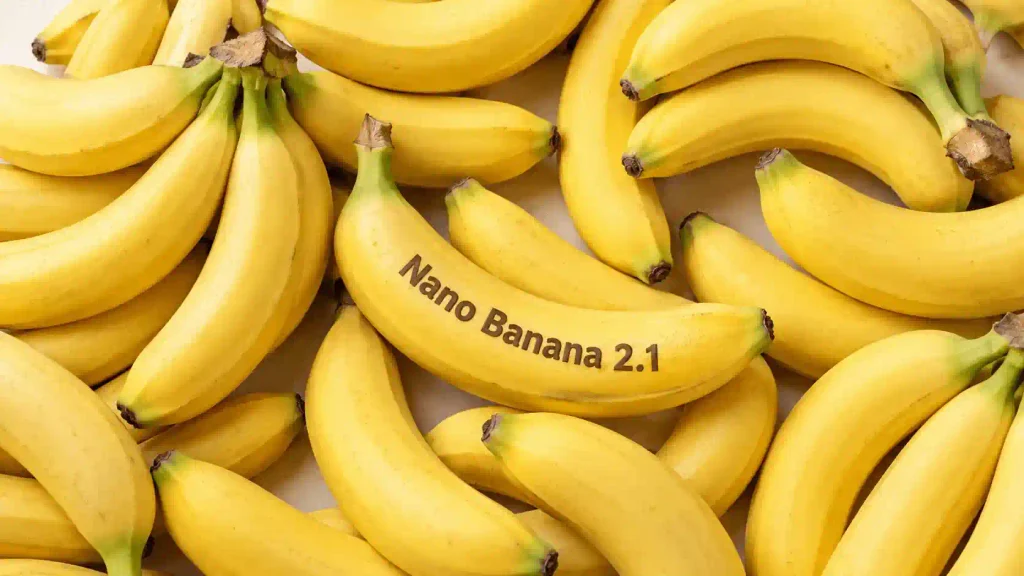
On October 6, 2026, Google unveiled Nano Banana 2.1, a generative model built for creating and fine-tuning images. The model is based on the Gemini 3.6 Flash architecture and tackles one of the biggest problems with graphics neural networks: “hallucinations” when making small edits. The new version can change individual details in a frame without distorting characters’ facial features, key objects or the overall lighting. The model has already reached general availability (GA) and can be accessed through Google AI Studio and the Gemini API.
Unlike many diffusion systems, which redraw a scene from scratch at the slightest change to the prompt, Nano Banana 2.1 is designed to preserve context. If you ask the neural network to change a person’s clothes or move an object on a table, it won’t alter the character’s anatomy or the geometry of the room. Google DeepMind’s model card notes that in tests for character consistency and style transfer, the new release outperformed not only the previous Nano Banana 2 but also the heavier Nano Banana Pro.
Up to 14 references and 4K resolution
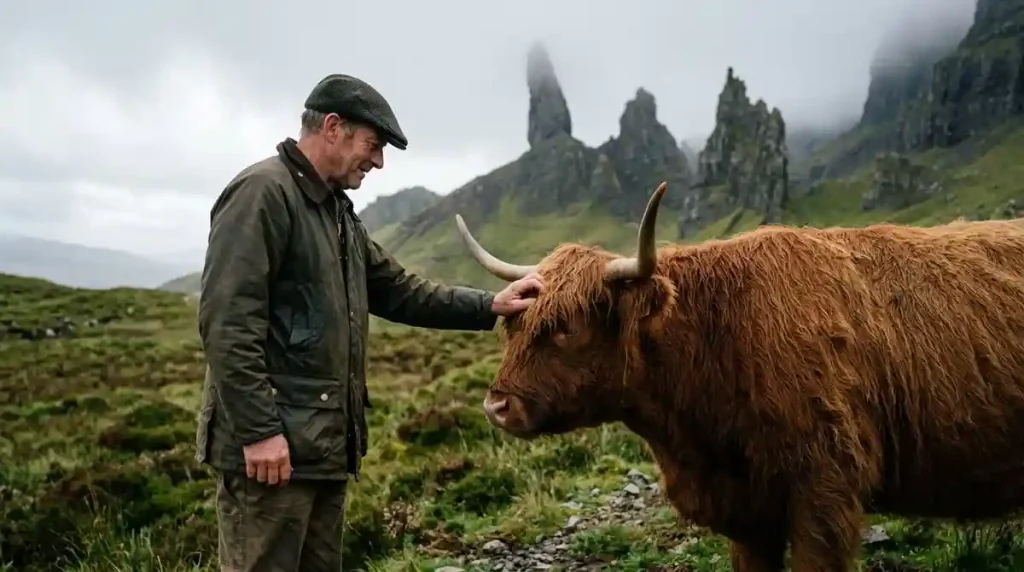
The model received a major upgrade in technical capabilities for commercial design and content creation:
- Multi-reference mode: a single request can include up to 14 source images, and the neural network reliably maintains the appearance of up to four characters and the properties of up to ten individual objects;
- Output formats: generation is supported at native 1K, 2K and 4K resolutions;
- Panoramic aspect ratios: the developers eliminated edge distortion when creating ultra-wide images with aspect ratios up to 8:1;
- Typography: improved rendering of complex text within a frame, label text and infographic elements.
According to Google AI for Developers documentation, the algorithm can be linked directly to Google Search and image search so the model can take fresh visual information from the web into account.
Reasoning levels and developer access
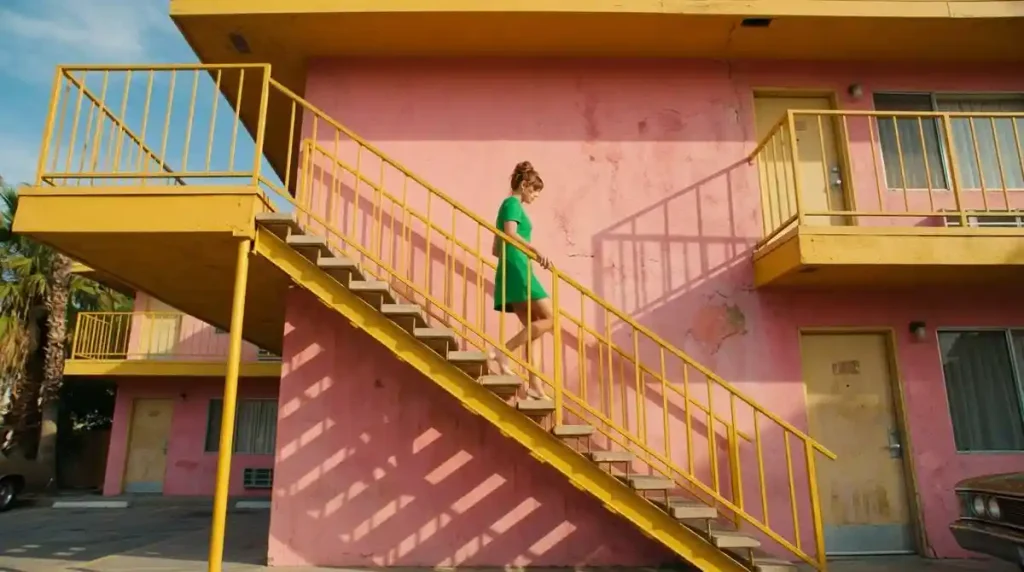
For complex creative tasks, the model gained adjustable reasoning depth. Developers can choose from three modes: minimal, medium and high. At the highest level, the neural network spends more time planning the composition step by step before generating pixels, which reduces the defect rate during complex manipulations with light and perspective.
The model is distributed under the identifier gemini-nano-banana-2.1 on the Google Cloud platform and in the API. You can evaluate the algorithm in a web interface directly through the Google AI Studio sandbox, testing generation in real time.