








Nvidia’s Native Frame Generation Runs on RTX 2060 as Modders Bypass DLSS-G Lock
 ·
10.09.2026 19:10
·
2 min read
·
10.09.2026 19:10
·
2 min read
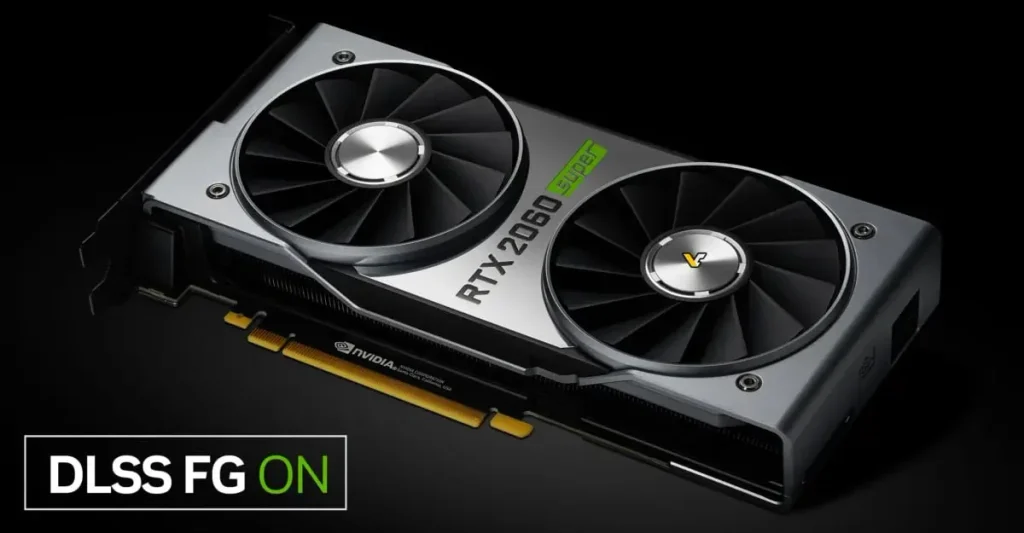
The enthusiast community has managed to run Nvidia’s native DLSS Frame Generation technology on GeForce RTX 20-series graphics cards. A developer going by the handle Coldwood1026 published the dlssg_for_sm75 project, adapting Nvidia’s executable libraries for the Turing architecture without using third-party algorithms from AMD.
Native DLSS-G Code Instead of FSR Translation
Previously, owners of RTX 20- and RTX 30-series GPUs could only enable frame interpolation using wrapper mods like DLSSG-to-FSR. Those utilities intercepted game commands and redirected them to AMD’s open-source FSR 3 frame generator.
The new modification runs Nvidia’s original algorithm directly. As detailed in the dlssg_for_sm75 GitHub repository, the author reworked the official dlss-g 310.1 runtime package:
- Compiled the compute kernels for the Compute Capability SM 7.5 (Turing) standard;
- Bypassed the GPU generation system check that caused the driver to block the library from running on any chip older than the RTX 40 series;
- Enabled the native “DLSS Frame Generation” option directly in the game’s graphics settings.
The method was confirmed working on a laptop equipped with a GeForce RTX 2060 Max-Q GPU in the DirectX 12 version of The Witcher 3: Wild Hunt: the game properly initializes the DLSS-G backend and renders generated frames, delivering a noticeable boost in visual smoothness.
RTX 30-Series Version and Nvidia’s Stance
In parallel, modders are developing the dlssg_for_sm86 fork on GitHub for the Ampere microarchitecture (GeForce RTX 30). The setup has already been tested using the MFGAdaUnlock injector, successfully launching Nvidia frame generation on a desktop RTX 3080 Ti in Cyberpunk 2077 and Black Myth: Wukong.
In official specifications on the Nvidia technology portal, frame generation is still listed as an exclusive feature for the RTX 40 and RTX 50 lineups. The company previously attributed this restriction to insufficient performance of the hardware Optical Flow Accelerator (OFA) block in older graphics cards.
The modders’ work clearly demonstrates that the lock was software-based. However, users should keep in mind the experimental nature of the tool: on relatively weak chips like the RTX 2060, neural network frame calculations put a noticeable load on VRAM, meaning responsive control is only achievable with a high enough base frame rate.